As an Amazon Associate I earn from qualifying purchases.
Selecting the right national park camping gear can make the difference between an unforgettable wilderness retreat and a miserable, freezing night spent shivering in your vehicle. Whether you are driving into Yosemite Valley, snagging a competitive frontcountry site at Zion, or watching the coastal fog roll in at Acadia, park camping brings unique environmental challenges. You need equipment that balances weather protection, spatial comfort, and straightforward setup so you can spend less time struggling with tent poles and more time on the trail.
Camping technology continuously improves, offering lighter fabrics, better thermal insulation, and smarter campsite storage solutions. To help you build the ultimate loadout, this guide walks through the fundamental categories of national park camping gear you need for a comfortable, stress-free adventure this season.
Essential Sleep Systems and Weather-Ready Shelter
Your shelter is your front line of defense against unpredictable park weather. Mountain parks like Rocky Mountain or Grand Teton can swing from scorching afternoon sun to freezing midnight windstorms without warning. Investing in high-quality national park camping gear begins with a dependable shelter that keeps you dry and secure.
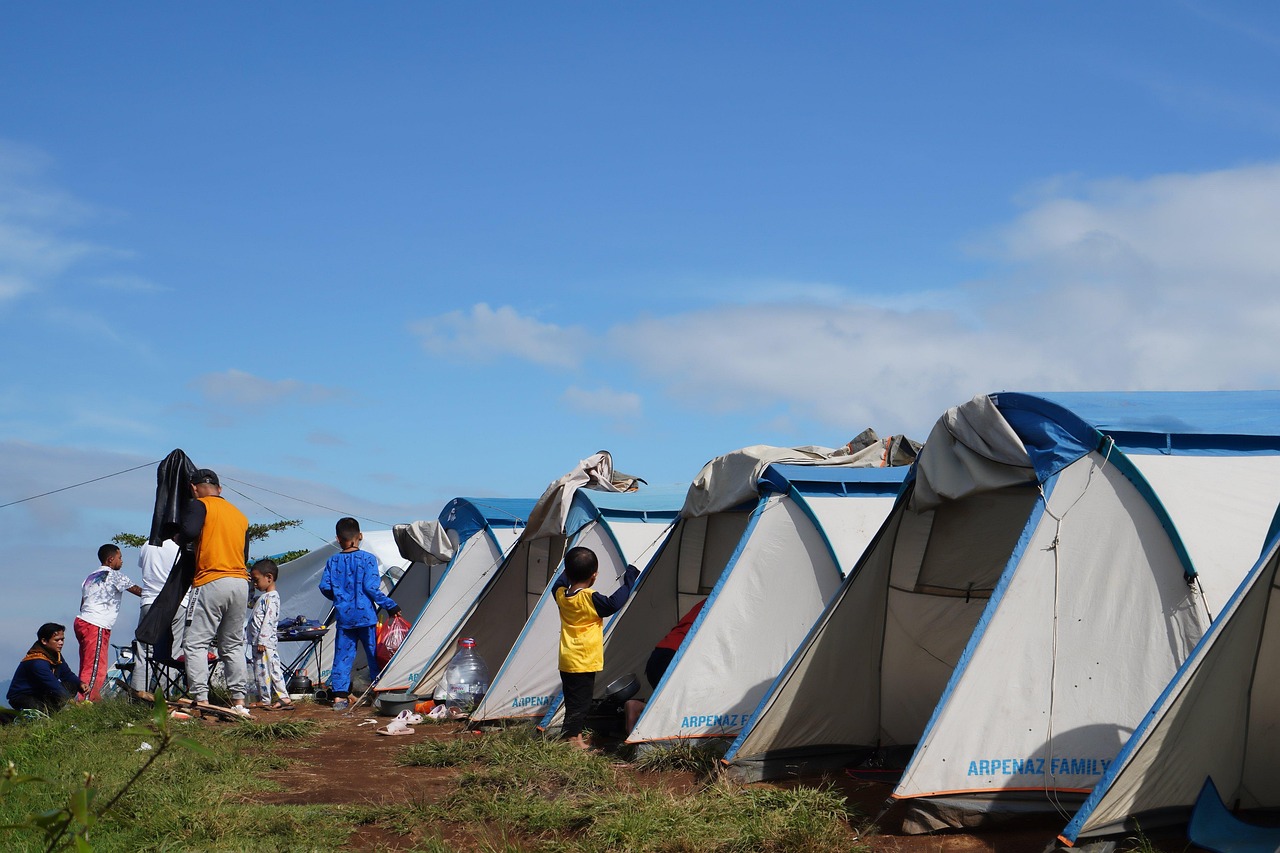
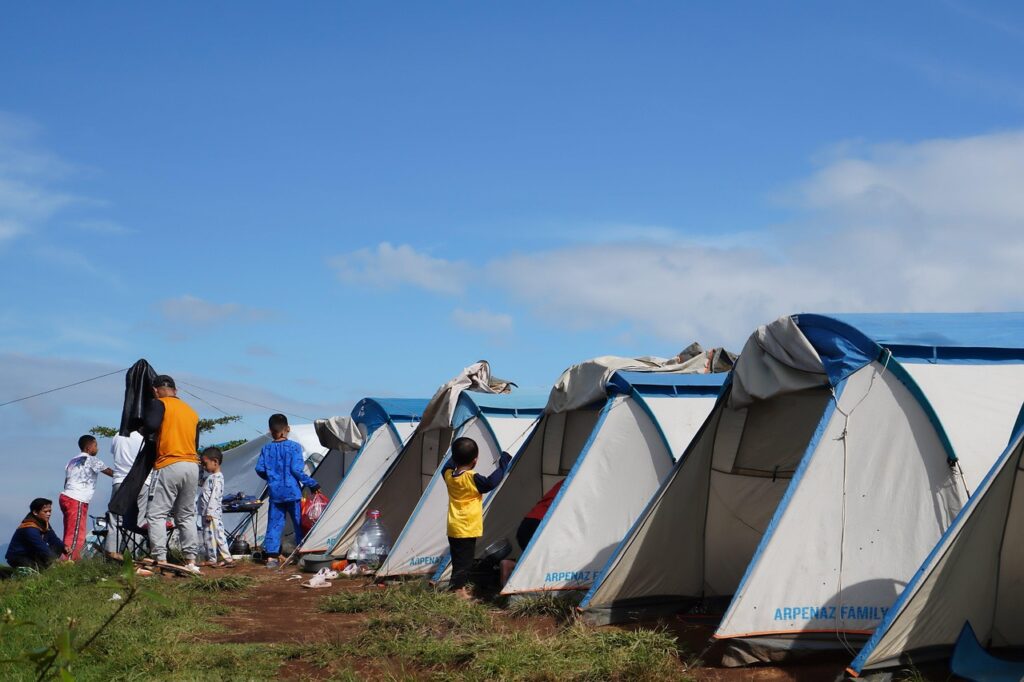
For frontcountry drive-in sites, a sturdy 3-season 4-person camping tent offers the ideal balance of interior headroom and storm protection. Look for full-coverage rainflies, aluminum poles, and factory-taped seams. If you plan to camp with family or prefer extra space for gear storage inside the vestibule, upgrading tent capacity ensures everyone sleeps comfortably.
Pairing your tent with the right sleep system is equally vital. Ground moisture quickly leaches body heat, making a thick, insulated mattress essential. A durable self-inflating sleeping pad with an ASTM R-value of 3.0 or higher guards against cold ground temperatures. Inside the bag, down or synthetic insulation keeps you snug when alpine temperatures dip overnight. If you want to dive deeper into bag warmth ratings and fill types, check out our guide on the best sleeping bags for camping to match your specific climate needs.
Camp Kitchen and Hydration Essentials
After miles of hiking park loops, a hot meal and clean drinking water are non-negotiable. Building an efficient kitchen setup with reliable national park camping gear makes camp cooking effortless, allowing you to refuel without hassle.
A freestanding dual-burner propane camp stove remains the gold standard for frontcountry park campsites. Two burners allow you to boil water for morning coffee while frying eggs or simmering dinner simultaneously. Make sure to pack windshield guards, as open park campgrounds often experience persistent evening breezes.
Hydration management requires equal attention. While developed park campgrounds typically provide potable spigots, backcountry excursions or desert parks like Joshua Tree demand high-capacity water storage. Carrying collapsible water jugs for camp combined with trail-ready bladders ensures you never run low. To keep your water tasting fresh and accessible on long day hikes, explore our roundup of top-rated hydration bladders for hiking.
Smart Lighting and Accessories for National Park Camping Gear
Park campgrounds can get remarkably dark once the sun drops behind the canyon walls. Proper illumination ensures safety when walking to the facilities, preparing late-night snacks, or reading in the tent. Choosing versatile national park camping gear keeps your campsite brightly lit without blinding neighboring campers.
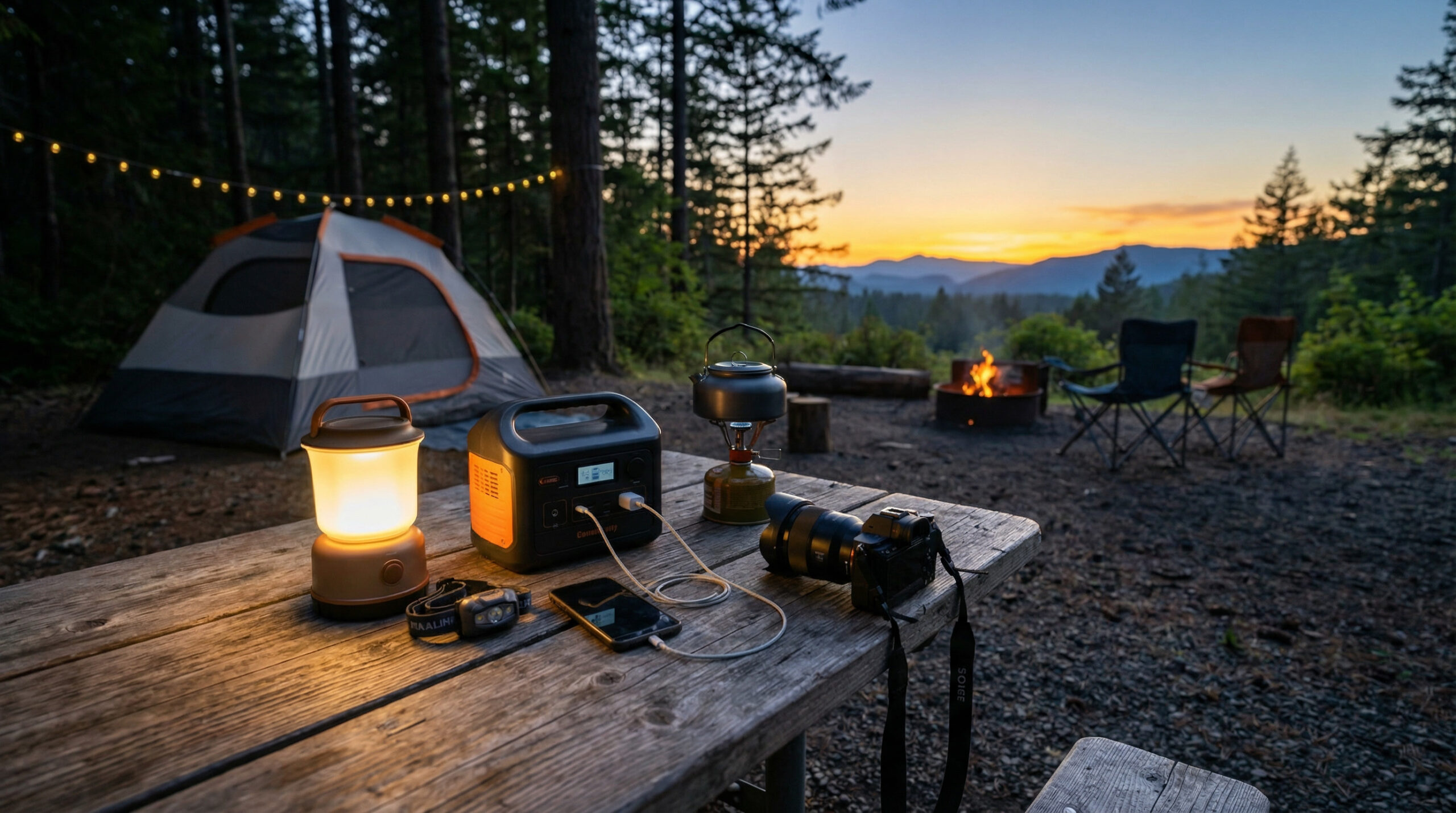
A multi-functional rechargeable camping lantern with warm light settings creates a welcoming atmosphere at the picnic table. Complement your lantern with hands-free headlamps featuring red-light modes to preserve night vision during stargazing sessions. Avoid common pitfalls like leaving bright floodlights on all night by reviewing these camping lighting mistakes beginners make before setting up camp.
Small utility accessories often make the biggest practical difference during a multi-day trip. Consider adding these items to your packing list:
- Heavy-duty steel tent stakes: Park ground is notoriously rocky and hard-packed, easily bending soft aluminum stakes.
- Scent-proof storage bags or hard-sided bins: Essential for keeping food securely stored inside your vehicle to comply with strict bear and wildlife safety regulations.
- Quick-drying microfiber towels: Perfect for wiping down wet tent rainflies or drying off after swimming in alpine lakes.
- Multi-tool and repair tape: Quick fixes for torn rainflies, broken guy lines, or stubborn stove valves.
If you are looking to round out your kit on a budget, you can find plenty of high-utility items in our list of must-have camping accessories under $30.

Trail Gear for Park Excursions
While your campsite serves as base camp, most of your daylight hours in a national park are spent exploring trails, overlook points, and scenic vistas. Integrating trail-ready items into your national park camping gear lineup guarantees comfort out on the trail.
A comfortable daypack ranging between 20 to 30 liters accommodates your water bladder, extra thermal layers, rain jacket, first aid kit, and snacks. Pair your pack with supportive, broken-in footwear designed for rocky or uneven terrain. If you are just getting into trail walking, picking up a supportive pair from our guide on the best hiking shoes for beginners will prevent blisters and keep your feet comfortable across long trail miles.
Caring for Your Gear in National Parks
Proper maintenance extends the life of your equipment and protects fragile park ecosystems. Always follow Leave No Trace principles by setting up camp strictly within designated campsite boundaries and packing out all trash. Never wash dishes directly in pristine rivers or lakes; instead, carry a collapsible basin and dispose of greywater at designated dump stations at least 200 feet away from natural water sources.
Before packing up your national park camping gear on your final morning, ensure your tent fly and sleeping pads are fully dry to prevent mold growth during storage. Store synthetic and down bags uncompressed in breathable storage sacks once you return home so they retain their insulating loft for future trips.
FAQ
What is the most essential piece of national park camping gear?
Your sleep system is paramount. A weather-resistant tent paired with a warm sleeping bag and high-R-value sleeping pad ensures safety and rest regardless of sudden mountain weather shifts.
Do I need specialized gear for different national parks?
While core gear like tents and stoves remain constant, desert parks like Joshua Tree require extra hydration gear, while alpine parks like Glacier necessitate heavy cold-weather insulation and bear-proof canisters.
How far in advance should I test my national park camping gear?
Always pitch your tent and test cook stoves at least one week before your trip to verify that all parts are functional and present.
Ready to Hit the Trail?
Upgrading your national park camping gear ensures that cold nights, poor sleep, or wet weather won’t cut your outdoor adventure short. Focus on building a reliable foundation with a storm-worthy tent, a warm sleeping setup, and a functional camp kitchen, then customize your kit based on the specific terrain and weather forecasts of your destination park.
Before heading out, double-check your gear list, verify campground reservation details, and inspect all equipment at home. Take the time to practice pitching your tent in your yard or living room so you can spend your park trip focusing on the stunning scenery around you.