As an Amazon Associate I earn from qualifying purchases.
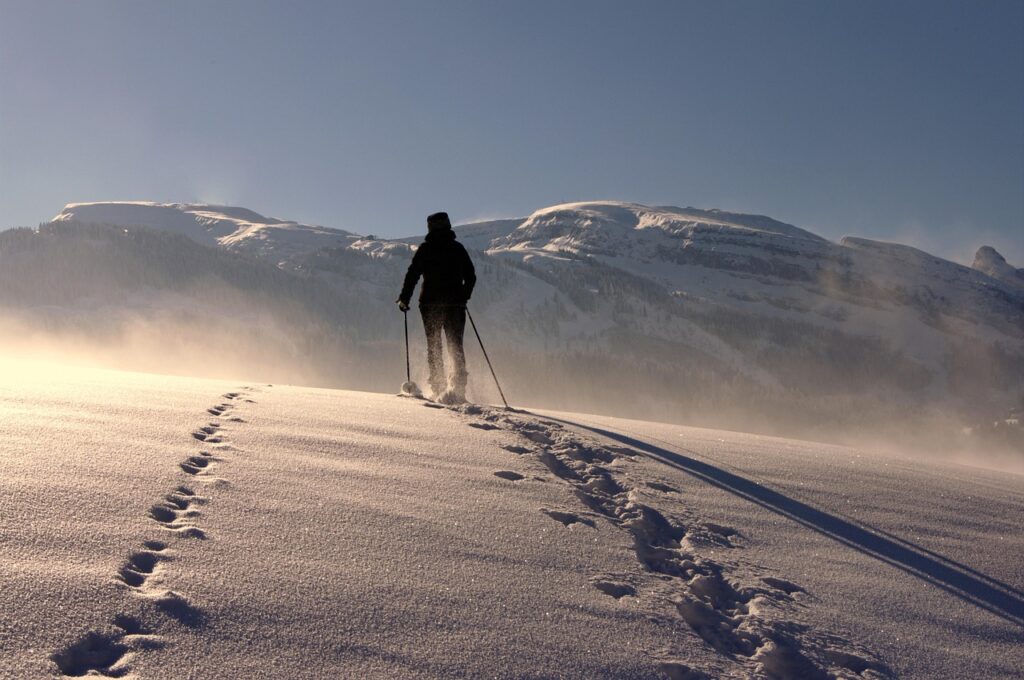
Finding the best camping gear for cold weather isn’t just about avoiding a restless, shivering night—it is a matter of safety once temperatures drop below freezing. Winter transforms familiar backcountry trails into quiet, snow-covered landscapes, but frigid air leaves zero room for gear failures. If your sleeping system lacks adequate insulation or your stove freezes up, a fun weekend outdoors can derail fast.
To help you prepare for frosty nights and snowy trails, we have compiled a definitive list of 15 winter essentials for 2026. Whether you are setting up camp on frozen terrain or trekking through sub-zero winds, investing in the best camping gear for cold weather ensures you stay warm, dry, and thoroughly prepared.
Core Sleep System: The Best Camping Gear for Cold Weather Starts Here
In sub-freezing conditions, heat escapes from your body in every direction, but the ground is your biggest enemy. Radiant warmth bleeds directly into the frozen earth if your sleep setup isn’t built for low temperatures.
1. Four-Season Tent
A standard three-season tent relies on heavy mesh panels to maximize airflow during humid summer nights. In winter, that mesh lets bitter winds strip away your microclimate. A robust 4-season tent features solid fabric walls, sturdier pole structures designed to support heavy snow loads, and steep pitch angles that prevent snow buildup.
2. High R-Value Insulated Sleeping Pad
Many campers mistakenly blame their sleeping bag when they wake up freezing, but frozen ground is usually the culprit. An insulated sleeping pad with an R-value of 5.0 or higher is non-negotiable for winter adventures. Combining an inflatable pad with a simple closed-cell foam pad underneath creates an impenetrable thermal barrier against frozen ground.
3. Cold-Weather Sleeping Bag (0°F or Lower)
Your summer sleeping bag won’t cut it when frost coats the inside of your tent. Look for down or synthetic sleeping bags rated for 0°F to -20°F. If you want to dive deeper into ratings and fill powers, review our guide to the best sleeping bags for camping to understand how different insulation materials retain loft in damp or icy environments.
4. Thermal Sleeping Bag Liner
A fleece or silk-blend thermal liner boosts your sleeping bag’s warmth rating by up to 10°F–15°F while keeping the internal lining clean. It provides a quick, low-cost way to upgrade an existing sleeping system without buying an entirely new winter bag.

Sub-Zero Clothing & Footwear: Layering Essentials
Managing your body temperature in the snow requires continuous fine-tuning. Sweating is dangerous in winter because moisture chills your skin as soon as you stop moving, making technical apparel one of the most critical categories when assembling the best camping gear for cold weather.
5. Heavyweight Merino Wool Base Layers
Cotton has no place in a cold-weather setup. Natural merino wool wicks perspiration away from your skin, regulates body heat, and resists odors over multi-day trips. Synthetic polyester tops and bottoms work well too, but merino wool remains the gold standard for pure thermal comfort.
6. High-Loft Down or Synthetic Puffy Jacket
When you stop hiking and start setting up camp, your core temperature drops rapidly. Packing a high-loft down jacket or weather-resistant synthetic insulated parka keeps trapped air warm around your torso while you cook or relax outside the tent.
7. Waterproof Insulated Winter Boots
Cold, wet feet can end a trip early. Look for winter hiking boots equipped with 200g to 400g of synthetic insulation, waterproof breathable membranes, and aggressive lug patterns engineered to bite into packed snow and black ice.
8. Deep Snow Winter Gaiters
Even the best waterproof boots fail if deep powder spills over your ankle collars. Durable winter gaiters seal off the top of your footwear, blocking snow, slush, and wind from sneaking into your socks during cross-country treks.
Winter Cooking, Hydration & Fuel Accessories
Cooking at 20°F requires different techniques and equipment than summer campouts. Standard canister stoves struggle as pressure drops in cold air, making specialized fuel systems vital components of the best camping gear for cold weather setups.
9. Liquid Fuel or Inverted Canister Stove
White gas stoves operate consistently in extreme sub-zero conditions where standard canister stoves flicker and die. If you prefer canister systems, choose a stove with an integrated regulator that allows you to invert the fuel canister to liquid feed mode during severe freezes. Pairing your stove with a reliable liquid fuel stove ensures fast boil times when melting snow for drinking water.
10. Vacuum-Insulated Stainless Steel Thermos
Melting snow into liquid drinking water takes significant time and fuel. Once you have hot water, store it immediately in a double-walled, vacuum-insulated flask. Having hot tea or broth ready during mid-day trail breaks provides an instant physical and mental boost.
11. Insulated Water Bottle Sleeves
Uninsulated water bottles turn into solid blocks of ice within hours. Slide wide-mouth water bottles into foam-insulated sleeves, and store them upside down in your pack. Because water freezes from the top down, storing bottles inverted keeps the threads free of ice so you can actually drink when thirsty. If you plan to filter open water sources before they freeze, pair your bottles with the best portable water filters for hiking designed for cold climates.
Camp Setup, Lighting & Safety Tools
Winter days offer limited daylight hours, meaning you will spend significant time managing camp in the dark. Equipping yourself with dependable camp accessories keeps chores safe and efficient.
12. Cold-Resistant Headlamp
Lithium-ion and alkaline batteries lose power rapidly in freezing conditions. Choose a high-lumen headlamp that supports rechargeable lithium batteries or includes a remote battery pack you can stow inside your warm jacket layer. Understanding battery life is critical to avoiding widespread camping lighting mistakes during winter nights.
13. Chemical Hand & Foot Warmers
Air-activated hand and foot warmers provide hours of targeted heat. Slip them into your gloves or footbeds during long rests, or drop one into the footbox of your sleeping bag half an hour before turning in for the night. These lightweight, budget-friendly additions rank among the most practical options when reviewing camping accessories under $30.
14. Collapsible Snow Shovel
An aluminum pack shovel helps clear tent sites down to bare dirt or packed snow, carve out wind-deflecting snow walls, and excavate gear buried by overnight storms. It is a mandatory tool whenever venturing into deep winter backcountries.
15. Closed-Cell Foam Sit Pad
Never sit directly on frozen logs or snowy rocks. A compact, folding foam sit pad isolates your seat from cold surfaces while cooking, resting, or adjusting boots around camp. It weighs virtually nothing and provides substantial thermal insulation whenever you sit down.
FAQ
Winter Camping Gear Comparison
When assembling the best camping gear for cold weather, balance weight, packed size, and thermal efficiency. The table below outlines how key essentials function together to keep you safe outdoors:
- Core Sleep System: 4-season tent, R-5+ insulated pad, 0°F down sleeping bag, thermal liner. Keeps body heat contained through long, freezing nights.
- Apparel & Outerwear: Merino wool base layers, high-loft down jacket, insulated boots, gaiters. Prevents hypothermia and guards against wind chill.
- Cooking & Fuel: Liquid fuel stove, vacuum thermos, insulated bottle sleeves. Guarantees access to hot hydration and melted snow.
- Camp Safety & Tools: Lithium headlamp, snow shovel, foam sit pad, hand warmers. Keeps work areas clear and hands functional in dark, icy conditions.
Final Thoughts on Cold Weather Camping
Heading into the winter wilderness offers unparalleled quiet and stunning frozen landscapes, but success depends entirely on your preparation. Investing in the best camping gear for cold weather builds a reliable defense against biting winds, frozen ground, and plummeting temperatures. Start by upgrading your sleep system and layering strategy, test your gear on short local outings, and build your confidence before tackling long sub-zero treks.
Related reading on PrimeTrailGear helps beginners choose the best hiking, camping, and outdoor gear in the USA with honest reviews, comparisons, and expert buying guides.: Also see Best Camping Gear for Families in 2026: 20 Essentials for more on this topic.
Related reading on PrimeTrailGear helps beginners choose the best hiking, camping, and outdoor gear in the USA with honest reviews, comparisons, and expert buying guides.: Also see Best Camping Lights for Tents in 2026: 10 Top Picks for more on this topic.