
Table of Contents
Okay, so here’s the thing. I’ve carried some absolutely terrible packs in my life. Shoulder straps that cut into you like a cheese wire, zippers that give up halfway up a trail, back panels that turn into swamps by mile two.
And one day, standing at a Colorado trailhead — totally drenched, my back a swampy mess — I just thought: why am I doing this to myself?
That was the moment I became obsessed with lightweight daypacks for hiking. Like, unreasonably deep into the rabbit hole. I read reviews, bought packs, returned packs, and annoyed hiking partners with my opinions on pack weight… You know how it goes.
So this post? It’s the result of all that chaos. The good picks, the truth about each one, who they’re actually for, and yeah — some affiliate links that keep the lights on. Fair warning, fair deal.
Let’s get into it.
Why Pack Weight Actually Matters More Than You Think
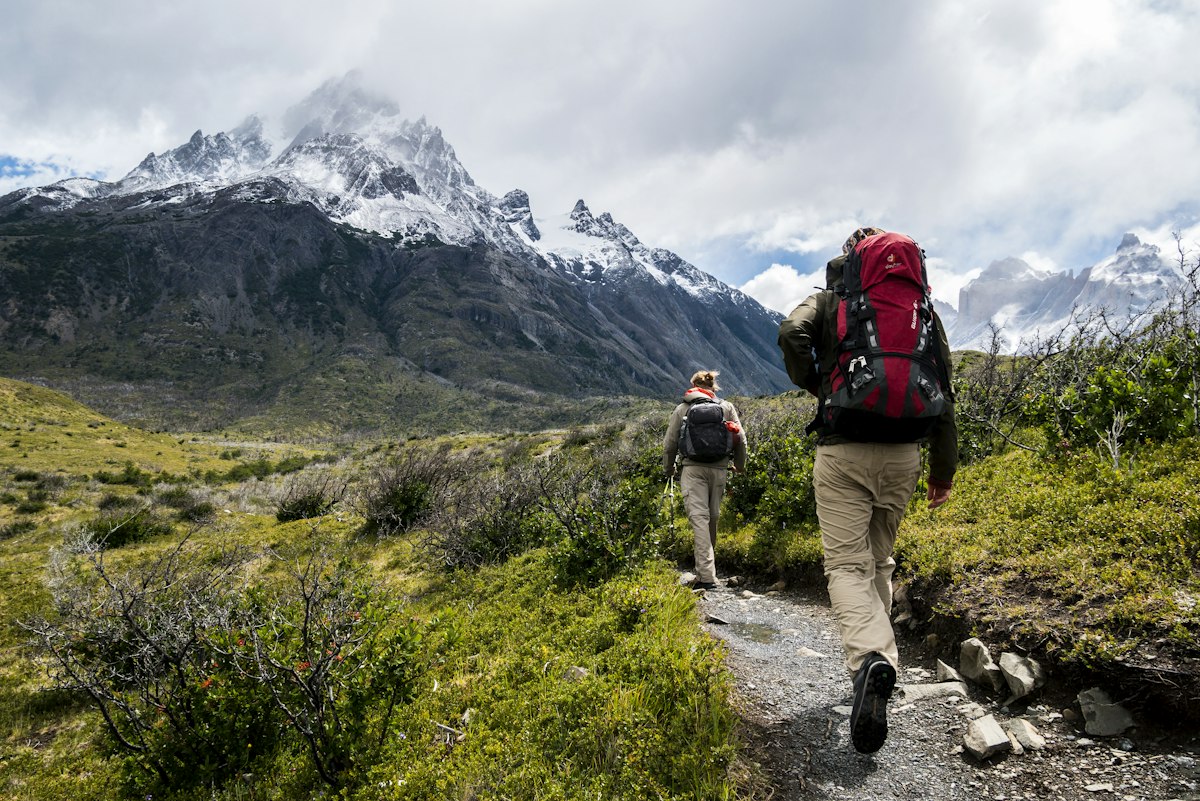
Every pound on your back gets heavier as the miles stack up. That’s just physics — and it’s brutal. 🏔️
People underestimate this. A lot.
Here’s a quick thing: a 3 lb pack feels fine at mile one. By mile eight? You’ve mentally renamed it “that miserable thing.” An ultralight daypack — something in the 8 oz to 1.5 lb range — just disappears on your back.
Especially important if you’re doing:
- Day hikes in National Parks (Zion, Acadia, Rocky Mountains)
- Urban exploring or travel days
- Trail running or fastpacking
- School or weekend commute use
“The best pack is the one you forget you’re wearing.” — Every experienced hiker, ever.
What to Look for in a Lightweight Daypack (Quick Cheat Sheet)
Weight
Ideally under 1.5 lbs for a true lightweight experience. Some go as low as 6–8 oz — packable daypacks are wild these days.
Volume / Capacity
Day hikers usually want 15L–25L. Enough for layers, water, snacks, a first aid kit, and the phone charger you keep forgetting. Don’t go under 15L unless you’re really minimalist.
Hip Belt vs. No Hip Belt
For short hikes: skip it. For 5+ miles with real weight inside: get one. Even a slim padded hip belt transfers load like magic.
Hydration Compatibility
A hydration sleeve is non-negotiable for me. Stopping to dig out a water bottle gets old fast.
Material Durability
Look for ripstop nylon or Dyneema composites. Cheap packs often use thin polyester that frays within a season.
Rain Resistance
Not full waterproofing — that’s heavy. But DWR coating + a stash-able rain cover? Chef’s kiss for Pacific Northwest or Appalachian day hikes.
The 7 Best Lightweight Daypacks for Outdoor Enthusiasts in 2025
Alright. Here we go. Honest, no fluff.
1. Osprey Daylite Plus 20L — The Crowd Favorite (For Good Reason)
If there’s one pack that shows up on literally every “best daypack” list, it’s the Osprey Daylite Plus. And the hype? Mostly earned.
Mesh back panel — not hot, sticky, or swampy, just breathable. Front organizer pocket, hydration sleeve, top carry handle. I’ve used this on day hikes in the Smoky Mountains and walking around cities in Europe. It just… works. Every time.
✅ Pros
- Incredibly light for 20L
- Breathable mesh back panel
- Osprey lifetime guarantee
- Great organization
❌ Cons
- No hip belt (add-on available)
- Not waterproof out of the box
- Pricier than budget options
🛒 View on Amazon →🛒 View on Amazon →
*Affiliate link — commission earned at no extra cost to you*
2. REI Co-op Flash 22 — Best Budget Ultralight Option
REI’s own brand is seriously underrated. The Flash 22 weighs just 13 oz. Thirteen. Ounces. That’s barely more than a water bottle.
Ripstop nylon, top-loader design, hip belt with pockets (!!), and a hydration sleeve. It’s the kind of pack that makes you want to hike on a random Tuesday because it’s sitting there looking all light and ready.
✅ Pros
- Under 1 lb — truly ultralight
- Hip belt with pockets
- Best value on this list
- Ripstop nylon holds up
❌ Cons
- Minimal interior organization
- Top-loading can be awkward
🛒 View on Amazon →🛒 View on Amazon →
*Affiliate link — commission earned at no extra cost to you*

The right pack disappears on your back. The wrong one becomes the main character of your hike — for all the wrong reasons.
3. Gregory Nano 18 — The “Fits Everything Somehow” Pack
This one surprised me. The Gregory Nano 18 is a compact 18L pack that somehow fits more than it has any right to. It’s the Tardis of daypacks.
The main compartment is deceptively deep. The back panel has solid padding and ventilation. Not as flashy as Osprey, but if you like underdog gear, this is your pick. I’ve seen ultralight backpackers use this for overnight trips when going really stripped down.
✅ Pros
- Surprising capacity for the size
- Comfortable back panel
- Great build quality
- Clean, understated look
❌ Cons
- Fewer features than Osprey
- Less widely available in stores
🛒 View on Amazon →🛒 View on Amazon →
*Affiliate link — commission earned at no extra cost to you*
4. Deuter Speed Lite 21 — Trail Running & Fast Hiking King
If you’re a fastpacker, trail runner, or just someone who hikes like they’re being chased, the Deuter Speed Lite is built for you.
Shoulder straps are anatomically shaped (no armpit-stabbing). Ventilation is solid. Organization is smart — main compartment, front pocket, hip belt pockets. German engineering applied to hiking packs. That’s just the vibe.
✅ Pros
- Stays close to the body, no bounce
- Ergonomic shoulder straps
- Smart organization layout
- Extremely durable for the weight
❌ Cons
- Higher price point
- Athletic fit — may not suit all body types
🛒 View on Amazon →🛒 View on Amazon →
*Affiliate link — commission earned at no extra cost to you*
5. Hyperlite Mountain Gear Daybreak — For the Ultralight Obsessed
Okay. This is the one for people who weigh their gear on a kitchen scale before every trip. (No judgment — I’ve done it.)
Hyperlite uses Dyneema Composite Fabric — insanely light AND incredibly strong. The Daybreak weighs around 8 oz. Eight. It’s almost not real. And it’s nearly waterproof. Looks like something from the future. It’s expensive. But for serious ultralight hikers doing the PCT or JMT, it’s a legitimate investment piece.
✅ Pros
- Jaw-droppingly light (~8 oz)
- Nearly waterproof Dyneema
- Extremely durable despite weight
- Made in the USA 🇺🇸
❌ Cons
❌ Cons
- Premium pricing
- Minimalist — limited pockets
- Dyneema aesthetic is distinctive
🛒 View on Amazon →🛒 View on Amazon →
*Affiliate link — commission earned at no extra cost to you*
6. Patagonia Refugio 26L — For the Eco-Conscious Hiker
If sustainability matters to you — and it should, given we’re hiking outside — Patagonia’s Refugio deserves a look.
Made from recycled materials. The 26L size hits a sweet spot between day hike and overnight capable. Back panel ventilation is legit good. And it looks great — like you care about the planet AND your outfit. Win-win.
✅ Pros
- Made from recycled materials
- Great 26L capacity
- Stylish, clean design
- Solid back ventilation
❌ Cons
- Heavier than pure ultralight options
- Premium Patagonia pricing
🛒 View on Amazon →🛒 View on Amazon →
*Affiliate link — commission earned at no extra cost to you*
7. Sea to Summit Ultra-Sil Nano — The “Fits in Your Pocket” Wonder
Last one. Wild card.
The Sea to Summit Ultra-Sil Nano packs down to the size of a large apple. Weighs around 2.5 oz. You stuff it into its own pocket and forget it exists. Then, when you need it — at the end of a travel day when you impulse-buy too much stuff — it appears like a helpful genie from your jacket.
It’s not a daily hiking workhorse. But as a packable backup daypack? Nothing touches it.
✅ Pros
- Weighs barely 2.5 oz
- Packs into itself — any pocket
- Great travel/backup option
- Surprisingly durable Ultra-Sil
❌ Cons
- Not for heavy loads (keep under 15 lbs)
- Minimal padding and structure
- Not a replacement for a real hiking pack
🛒 View on Amazon →🛒 View on Amazon →
*Affiliate link — commission earned at no extra cost to you*
Quick Side-by-Side Comparison
Here’s the TL;DR for skimmers 👀:
| Pack | Weight | Volume | Best For |
|---|---|---|---|
| Osprey Daylite Plus | ~1 lb 2 oz | 20L | All-rounder |
| REI Flash 22 | ~13 oz | 22L | Budget/ultralight |
| Gregory Nano 18 | ~1 lb 1 oz | 18L | Travel + day hike |
| Deuter Speed Lite 21 | ~1 lb | 21L | Trail runners |
| Hyperlite Daybreak | ~8 oz | 12L | Ultralight purists |
| Patagonia Refugio 26L | ~1 lb 7 oz | 26L | Eco-conscious |
| Sea to Summit Nano | ~2.5 oz | 20L | Travel backup |
Which Pack Actually Fits Your Hiking Style?

Summit days hit different when your pack isn’t destroying your shoulders. 🌄
🧗 The Weekend Warrior
Versatile pack for 10-mile loops AND brunch after. → Osprey Daylite Plus or Patagonia Refugio.
🚗 The Road Tripper
Zion, Yellowstone, Olympic — fits under an airplane seat too. → REI Flash 22 + Sea to Summit Nano as backup.
🏃 The Trail Runner
You sweat, move fast, and hate bounce. → Deuter Speed Lite 21. Full stop.
⚖️ The Ultralight Obsessive
You own a kitchen scale. You’ve argued about titanium sporks. → Hyperlite Mountain Gear. You knew.
🌿 The Eco Hiker
You vote with your wallet and pick up trail litter. → Patagonia Refugio 26L. Obvious choice.
✈️ The Traveler
You need a backup pack that weighs nothing. → Sea to Summit Nano. No contest.
⚠️ A Quick Safety Note — Don’t Skip This
Lightweight packs are amazing. But they can tempt you to underpack.
Even on a short day hike, always bring: plenty of water, a snack, a basic first aid kit, a layer for weather changes, and your phone fully charged. The Ten Essentials exist for a reason — people get into trouble even on “easy” trails.
Also: weights and specs listed here are general estimates. Always verify current specs and pricing directly with the retailer before purchasing.
🏆 Final Verdict: What Should You Actually Buy?
If you want the best all-around lightweight daypack in 2025? Start with the Osprey Daylite PlusOsprey Daylite Plus. Versatile, genuinely lightweight, durable, and backed by a warranty that’s basically a lifetime promise.
Is the budget tight? The REI Flash 22REI Flash 22 delivers more per dollar than almost anything out there.
Hardcore ultralight? You already know it’s HyperliteHyperlite. Don’t let anyone tell you different.
Whatever you pick: get outside. The pack matters. But the trail matters more. 🌲
FAQs — Real Questions Real Hikers Ask
What’s a good weight for a lightweight daypack?
Anything under 1.5 lbs is solid. Under 1 lb is ultralight territory. Under half a pound? You’re basically carrying air — which is goals.
What size daypack do I need for a day hike?
Most people are happy with 18L–25L. That’s enough for water, layers, snacks, a first aid kit, and the seven extra granola bars that end up in every pack.
Is 20L enough for a day hike?
For most day hikes? Yes, totally. 20L is a sweet spot — spacious enough for essentials but not so big that you start overpacking. Which we all do.
Do I need a hip belt on a lightweight daypack?
For short hikes under 5 miles with minimal weight — probably not. For longer hikes or 15+ lbs inside — yes, a hip belt makes a huge difference by mile six.
Are ultralight daypacks durable enough for real hiking?
Yes — especially packs using ripstop nylon or Dyneema fabrics. Stick to reputable outdoor brands and you’ll be fine.
What’s the difference between a daypack and a hydration pack?
Hydration packs carry mainly a water reservoir. Daypacks are bigger and designed for all your gear — many also include a hydration sleeve, making them more versatile.
Can I use a lightweight daypack for travel?
Absolutely. The Osprey Daylite and Sea to Summit Nano are amazing travel companions — light, packable, and don’t scream “tourist carrying 40 things.”
What’s a packable daypack, and do I need one?
Packable daypacks fold into their own pocket. If you travel or want a backup bag that takes up zero space — yes, get one. Sea to Summit Nano is the king of this category.
Is Osprey worth the price for a daypack?
Yes. Their All Mighty Guarantee means they’ll repair or replace your pack for life. I’ve seen people get 15-year-old Ospreys fixed for free. The long-term value is real.
How do I clean a lightweight hiking daypack?
Hand wash in lukewarm water with mild soap. No washing machine — it destroys the DWR coating. Air dry completely before storing. Do not stuff it wet. I’ve made that mistake. It’s unpleasant.
What are the best lightweight daypacks for women?
Many brands offer women-specific versions with shorter torso lengths and curved shoulder straps — Osprey, Gregory, and REI all have great women’s fit options.
Can a lightweight daypack hold a laptop?
Some can — the Osprey Daylite Plus has a laptop sleeve. Always check specs before buying if laptop carry is a priority.
Are there good, cheap ultralight daypacks?
The REI Flash 22 is probably the best value lightweight daypack out there — around the $60–70 range with features that packs twice the price struggle to match.
What’s the lightest daypack available?
Packable options like the Sea to Summit Ultra-Sil Nano clock in around 2.5 oz. For structured hiking, Hyperlite Mountain Gear is right up there at 8 oz. Both are genuinely absurd in the best way.
Do lightweight daypacks have rain covers?
Some include them, some don’t. If you hike in wet climates — the Pacific Northwest, the Appalachians — look for a pack that includes or accommodates a rain cover.
Pro-Tip
Refresh quarterly.
🔗 Related Articles
- Essential Hiking Backpack Choice: 👉 How to Choose the Right Hiking Backpack (Size, Fit & Features): 15 Tips for 2026 Backpacks
- Ultimate Hiking Gear Guide (Beginner to Pro 2026) Hiking Gear
- Best Camping Quilts for Lightweight Travel: 7 Things to Avoid Sleeping Bags
- Best Portable Selfie Light 2025 – ALTSON 60 LED Buying Guides
- Best Hiking Apps for Trails: 12 Picks for 2026 Buying Guides
- Best Hydration Packs for Hiking and Camping (2026): Smart Hiking Gear