As an Amazon Associate I earn from qualifying purchases.
Updated for October 2026: a new section on "Dialing In Your Fit: Lacing and Socks for Rugged Terrain", 3 corrected sentences added.
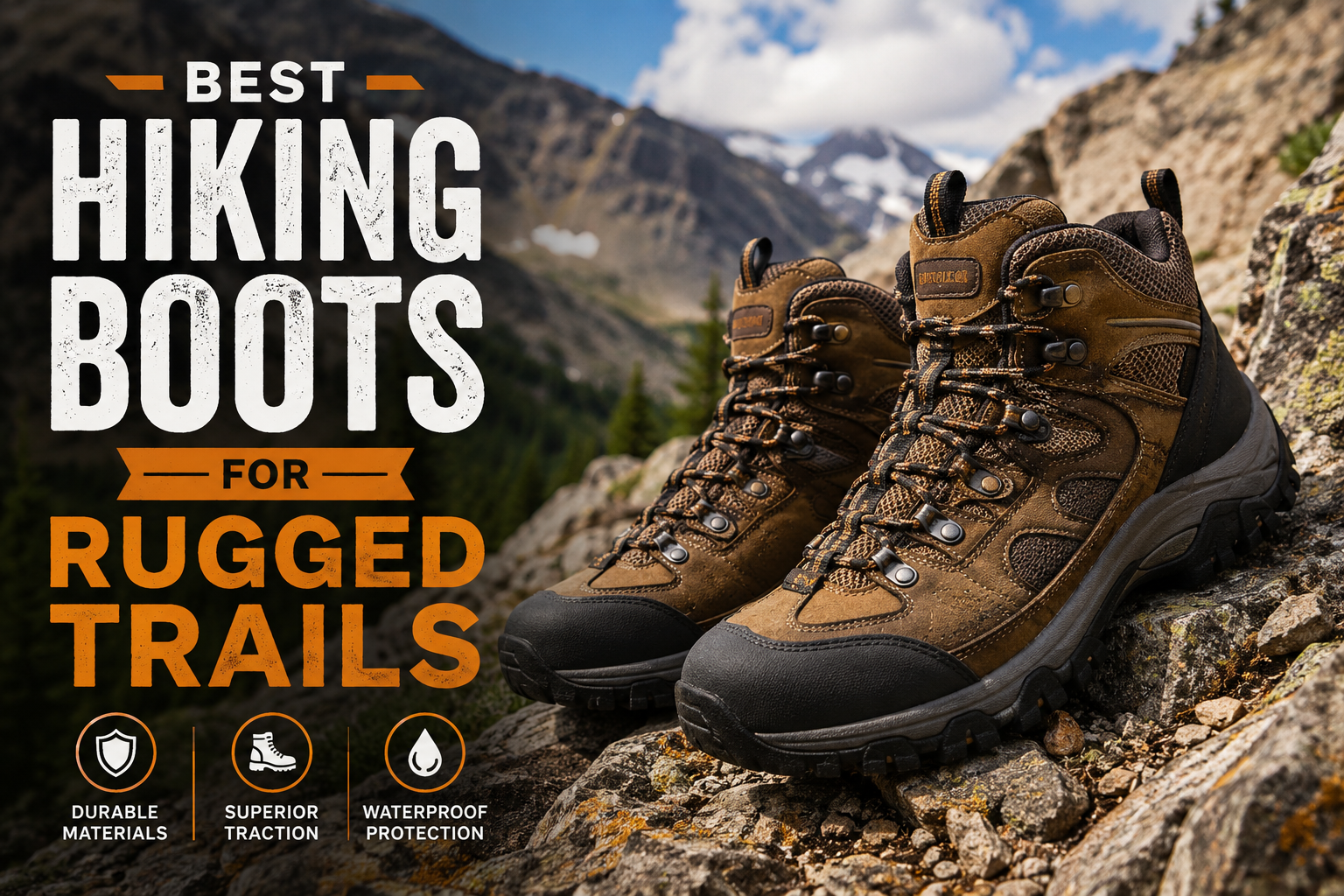
Best Hiking Boots for Rugged Trails
Rugged trails don’t forgive bad gear. Loose rocks, uneven footing, steep descents, wet roots — they all expose weak boots fast. If you’ve ever finished a hike with hot spots, sore ankles, or that dull ache under your heel, you already know this isn’t a category where “close enough” works.
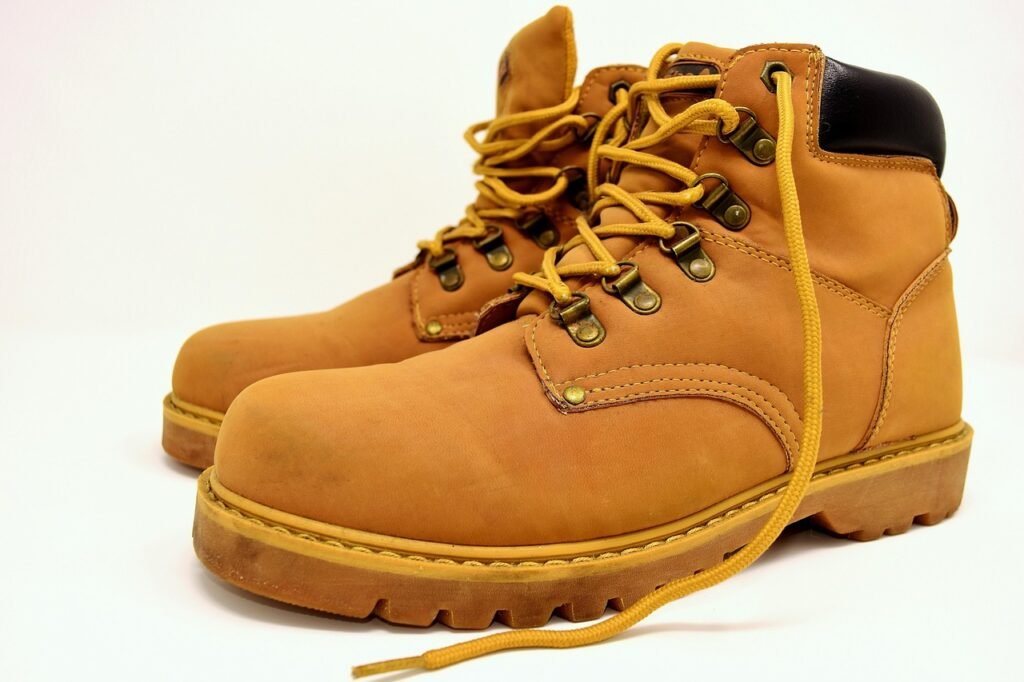
This guide to the best hiking boots for rugged trails is written for buyers who want clarity, not marketing noise. We’re comparing boots that actually hold up on rough terrain—and just as importantly, calling out who shouldn’t buy them.
No boot here is perfect. The goal is to match the right boot to the right hiker so you don’t regret your purchase halfway up a rocky climb.
Quick Comparison: Best Hiking Boots for Rugged Trails
| Boot | Best For | Weight Feel | Waterproof | Main Tradeoff |
|---|---|---|---|---|
| Salomon Quest 4 GTX | Technical, rocky trails | Medium-heavy | Yes | Stiffer break-in |
| Merrell Moab 3 Mid | All-around comfort | Medium | Yes | Less ankle rigidity |
| KEEN Targhee III | Wide feet, stability | Medium | Yes | Bulkier profile |
| La Sportiva Nucleo High II | Lightweight rugged hiking | Light | Yes | Less cushioning |
| Lowa Renegade GTX Mid | Long-term durability | Medium | Yes | Higher price |
How to Choose Hiking Boots for Rugged Trails
Before getting into individual picks, here’s the reality most buyers miss:
Rugged trails demand structure, not softness.
You want:
-
A firm midsole (prevents foot fatigue on rocks)
-
A stable heel cup (controls descents)
-
Reliable outsole grip (Vibram or equivalent)
-
Real ankle support — not just padding
If a boot feels like a sneaker in the store, it usually won’t protect you on rough terrain.
1. Salomon Quest 4 GTX
Best use case
Long, demanding hikes with rocky ascents, loose gravel, and uneven ground.
Why does it work on rugged trails?
This boot is built like a lightweight backpacking boot. The chassis provides torsional stability, meaning your foot doesn’t twist when landing on angled rocks. On rugged terrain, that matters more than softness.
Honest limitation
The break-in period is real. It’s not painful, but it’s noticeable.
Who it’s for
-
Hikers carrying moderate packs
-
People who prioritize ankle support
-
Anyone hiking steep or technical terrain regularly
Who should skip it
-
Casual hikers
-
People who want instant comfort out of the box
2. Merrell Moab 3 Mid Waterproof
Best use case
Day hikes and moderate rugged trails where comfort matters more than maximum rigidity.
Why does it work on rugged trails?
The Moab line is popular for a reason: it fits most feet well and feels broken in quickly. On rocky trails, the Vibram outsole gives dependable grip without feeling stiff.
Honest limitation
Ankle support is decent, not aggressive. On very technical terrain, you’ll notice the difference.
Who it’s for
-
Beginners stepping into rugged trails
-
Hikers who value comfort over stiffness
-
Wide range of foot shapes
Who should skip it
-
People doing extended multi-day hikes
-
Those with ankle instability
3. KEEN Targhee III Mid Waterproof
Best use case
Rugged trails for hikers with wider feet who need stability without squeezing.
Why does it work on rugged terrain?
The wider toe box reduces foot fatigue on long, rocky hikes. The outsole grips well on wet rock and dirt, and the boot feels protective without being overly stiff.
Honest limitation
It’s bulkier than it looks. Not ideal if you want a nimble feel.
Who it’s for
-
Wide-foot hikers
-
People prone to toe discomfort
-
Rocky terrain with mixed surfaces
Who should skip it
-
Ultralight hikers
-
Narrow-footed users
4. La Sportiva Nucleo High II GTX
Best use case
Fast-paced hiking on rugged trails where weight savings matter.
Why does it work on rugged trails?
This boot balances the lightweight feel with surprising stability. The outsole is aggressive enough for rocky terrain, and the boot doesn’t feel clunky.
Honest limitation
Cushioning is firm. If you like a plush underfoot feel, this won’t be your favorite.
Who it’s for
-
Experienced hikers
-
Those moving fast on rough terrain
-
People who hate heavy boots
Who should skip it
-
Hikers with joint sensitivity
-
Anyone wanting a soft ride
5. Lowa Renegade GTX Mid
Best use case
Consistent rugged trail use over years, not seasons.
Why does it work on rugged trails?
This boot is about durability and control. It doesn’t flex where it shouldn’t, and the ankle support feels confident without locking you in.
Honest limitation
Higher price, and it’s not the lightest option.
Who it’s for
-
Serious hikers
-
People who are tired of replacing boots every year
-
Long-distance rugged trail users
Who should skip it
-
Budget buyers
-
Casual weekend hikers
Beginner vs Lightweight vs Budget Picks—Best Hiking Boots
Choose this if you’re a beginner
Merrell Moab 3 Mid — forgiving fit, easy comfort, no learning curve.
Choose this if you want lightweight performance
La Sportiva Nucleo High II — agile without sacrificing grip.
Choose this if you want long-term value
Lowa Renegade GTX Mid — costs more, lasts longer.
Real-World Friction Points (What People Don’t Tell You)
I once tested boots that felt incredible indoors—soft, flexible, and almost slipper-like. Two hours into a rocky trail, every sharp edge transferred straight through the sole. That’s when you realize that comfort at home and comfort on rugged trails are different things.
Good hiking boots for rugged trails sometimes feel boring at first. That’s usually a good sign.
Final Recommendation Logic
Best Hiking Boots
There is no universal “best” boot—only the best hiking boots for rugged trails for your style of hiking.
-
Want maximum support? → Salomon Quest 4 GTX
-
Want easy comfort? → Merrell Moab 3 Mid
-
Have wide feet? → KEEN Targhee III
-
Want light and fast? → La Sportiva Nucleo High II
-
Want long-term durability? → Lowa Renegade GTX Mid
Choose based on terrain, pack weight, and how your feet behave after mile six — not just how a boot feels in the store.
Also Read: Best Outdoor Boots for Hiking 2026: Beginner Guide
Dialing In Your Fit: Lacing and Socks for Rugged Terrain
Even the best hiking boots will cause hotspots if your foot shifts inside the shoe on steep descents or uneven scree. For rugged trails, locking your heel securely into the heel pocket is just as vital as having a stiff outsole.
First, use a heel-lock lacing technique. By creating a loop between the upper eyelets and cinching the laces through them, you prevent your foot from sliding forward and jamming your toes against the front bumper during sharp downhill descents. If you experience midfoot pressure, use a window lacing pattern over the instep to relieve tightness without loosening the ankle collar.
Second, pair your boots with high-density merino wool or technical synthetic socks. Cotton absorbs moisture, softens skin, and drastically accelerates friction blisters. Reviewing our recommendations for the best hiking socks will help you find targeted cushioning across the heel and metatarsal zones to complement your boot’s internal chassis. If you frequently suffer from collapsed arches on rocky terrain, consider swapping factory insoles or look into the best hiking shoes for flat feet for enhanced structural support.
FAQs: Best Hiking Boots for Rugged Trails
1. What makes hiking boots suitable for rugged trails?
Stiffer midsoles, solid ankle support, and aggressive outsoles.
2. Are waterproof boots necessary for rugged trails?
Not mandatory, but helpful for wet rock, mud, and unpredictable weather.
3. Can trail runners handle rugged trails?
Sometimes, but they lack protection and support for long, rocky hikes.
4. How stiff should a hiking boot be?It should resist torsional twisting along the midsole while flexing naturally at the ball of your foot. for rocky terrain?
Firm enough to resist twisting, not so stiff that it restricts movement.
5. Do heavier boots mean better protection?
Often yes, but modern boots balance weight and stability better.
6. How long do hiking boots last on rugged trails?
Typically 500–800 miles, depending on terrain and build quality.
7. Are wide toe boxes better for rocky hikes?
Yes, they reduce pressure during descents.
8. Should beginners avoid stiff boots?
Not necessarily—moderate stiffness helps prevent fatigue.
9. Is ankle support really necessary?
On rugged trails, it significantly reduces injury risk.
10. Can I use backpacking boots instead?
Yes, many overlap with rugged hiking boots.
11. How important is the outsole brand (Vibram, etc.)?
More about design than brand, but Vibram is consistently reliable.
12. Do hiking boots need a break-in period?
Most rugged boots benefit from short break-in hikes.
13. Are expensive boots always better?
No—fit and use case matter more than price.
14. Can rugged boots be used for casual hikes?
Yes, but they may feel overbuilt for easy trails.
15. What’s the biggest mistake buyers make?
Choosing softness over structure for rugged terrain.
🔗 Related Articles
- Best Hiking Boots for Porcupine Mountains: Beginner Guide 2026 Hiking Gear
- Best Hiking Boots for Teton National Park Trails: Expert Hiking Gear
- Exclusive Hiking Boot Gators: Waterproof Gators for Hiking Boots: 12 Tips for 2026 Buying Guides
- Essential Hiking Boots Fit: How to Choose Hiking Boots That Fit: 9 Tips for 2026 Buying Guides
- Top Hiking Boots for Appalachian Trail Hikes: Buy the Best for 2026 Hiking Gear
- Best Hiking Footwear Guide: Boots vs Shoes vs Trail Runners: 10 Picks for 2026 Boots & Shoes