
As an Amazon Associate we earn from qualifying purchases. Amazon links on this page are affiliate links.
Updated for October 2026: a new section on "Optimizing Your Hydration System: Beyond the Bottle", 3 corrected sentences added.
Top Water Bottles for Long Hikes — A Practical Guide for Hikers
Long hikes have a way of exposing weak gear fast.
Shoes rub, packs feel heavier by mile eight, and water bottles? They either become your best friend or the thing you regret not thinking through.
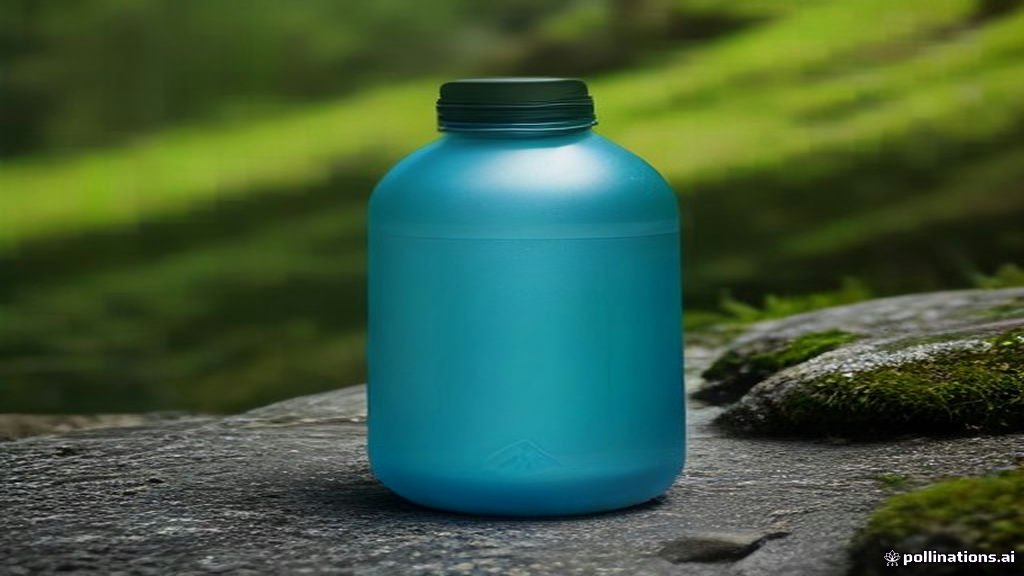
Choosing the Top Water Bottles for Long Hikes isn’t about trends or brand hype. It’s about staying hydrated without adding unnecessary weight, leaks, or frustration. After enough miles on dry ridgelines and exposed trails, you start noticing what actually matters.
This guide is written for hikers who want clarity, not marketing noise.
Why Water Bottles Matter More on Long Hikes
Hydration mistakes don’t show up immediately.
They creep in quietly—fatigue, a slower pace, and poor decision-making.
On long hikes, your water bottle needs to:
-
Hold enough water for extended stretches
-
Be easy to access without stopping
-
Survive drops, heat, and rough handling
-
Work with filtration systems if needed
That’s why experienced hikers obsess over water bottles more than beginners expect.
What Defines the Top Water Bottles for Long Hikes?
Not all bottles are built for distance. The best options share a few core traits.
1. Capacity That Matches Your Terrain
For short day hikes, 500–750 ml is fine.
For long hikes, that often falls short.
Most hikers doing longer trails prefer:
-
1L bottles for balance
-
1.5–2L setups when water sources are sparse
Carrying multiple smaller bottles often offers advantages over one massive bottle—it distributes weight more evenly and provides backup if one fails.
2. Weight vs Durability Trade-Off
This is where opinions get strong.
-
Ultralight bottles save energy
-
Durable bottles survive abuse
On long hikes, a cracked bottle can end your day. Many of the top water bottles for long hikes strike a middle ground—light enough to forget, tough enough to trust.
3. Insulation: Useful or Overrated?
Insulated bottles keep water cool—but add weight.
They shine when:
-
Hiking in hot, exposed areas
-
You value morale boosts from cold water
They’re less ideal when:
-
Counting every ounce
-
Hiking in cool or shaded environments
There’s no universal answer—just trade-offs.
4. Compatibility With Filters
Long-distance hikers often rely on filters.
Good bottles:
-
Fit squeeze filters
-
Work with gravity setups
-
Don’t collapse awkwardly
This is a detail beginners often miss—and regret later.
Also Read: Best Hydration Packs for Hiking and Camping (2026): Smart Picks & Mistakes to Avoid
Common Beginner Mistakes With Hiking Water Bottles
Most hikers don’t get hydration wrong on purpose. These mistakes just sneak up.
Carrying Too Little Water
Relying on “maybe there’s a stream” rarely ends well.
Long hikes demand certainty, not hope.
Choosing Bottles That Are Hard to Access
If grabbing water requires stopping, removing your pack, or fumbling, consider a hydration pack or an easier-to-access bottle setup.
The top water bottles for long hikes are easy to reach mid-stride.
Overestimating Insulation Value
Cold water feels great.
But not if your shoulders ache from unnecessary weight after six hours.
Ignoring Bottle Shape
Tall, awkward bottles don’t sit well in pack pockets.
Simple shapes almost always work better.
Types of Water Bottles Used on Long Hikes
Understanding categories helps narrow choices fast.
Lightweight Plastic Bottles
Popular with experienced hikers.
Pros
-
Extremely light
-
Cheap
-
Compatible with most filters
Cons
-
Less durable
-
No insulation
Still, many long-distance hikers swear by them.
Stainless Steel Bottles
Common among beginners and casual hikers.
Pros
-
Durable
-
Can handle hot liquids
-
Often insulated
Cons
-
Heavier
-
Can dent
Some of the top water bottles for long hikes fall in this category—but weight matters.
Soft Bottles / Collapsible Bottles
Gaining popularity fast.
Pros
-
Compress as you drink
-
Very lightweight
-
Great with filters
Cons
-
Less rigid
-
Shorter lifespan
Excellent for long hikes where pack space changes constantly.
How Much Water Do You Really Need on Long Hikes?
There’s no single rule, but experience gives guidelines.
Most hikers plan for:
-
0.5 liters per hour in mild conditions
-
0.75–1 liter per hour in heat or elevation
That’s why capacity planning matters more than brand names when selecting the top water bottles for long hikes.
Real Trail Experience: A Small Lesson Learned
On one long ridge hike, I brought a single insulated bottle—looked great, felt solid.
By hour five:
-
The bottle was heavy
-
Water was warm anyway
-
Reaching it meant stopping every time
That day ended with dehydration and slower miles.
Since then, lighter, simpler bottles have earned my trust.
Bottle Placement: Where It Matters
Even the best bottle fails if poorly placed.
Side Pockets
-
Fast access
-
Good balance
-
Best for rigid bottles
Shoulder Strap Pouches
-
Excellent for frequent sipping
-
Ideal for smaller bottles
Internal Storage
-
Works for backup water
-
Not ideal for primary hydration
The top water bottles for long hikes pair well with smart placement—not buried gear.
Environmental Factors That Change Bottle Choice
Hot, Exposed Trails
-
Insulation helps
-
Larger capacity matters
-
Easy access becomes critical
Cold or Alpine Hikes
-
Insulation less important
-
Weight savings shine
-
Freezing resistance matters
Desert or Dry Routes
-
Durability
-
Larger total capacity
-
Filter compatibility
Context shapes everything.
Cleaning & Maintenance on Multi-Day Hikes
Another overlooked detail.
Wide-mouth bottles:
-
Easier to clean
-
Better for adding electrolytes
-
Freeze less easily
Narrow-mouth bottles:
-
Lighter
-
Drink faster
-
Harder to clean
The best long-hike setups often mix both.
Are Expensive Bottles Worth It?
Sometimes. Often not.
You’re paying for:
-
Better insulation
-
Tougher materials
-
Brand trust
You’re not always getting:
-
Better hydration
-
Better comfort
-
Better mileage
That’s why experienced hikers focus on function first when choosing the top water bottles for long hikes.
Internal & External Resources
For hydration safety and trail planning, these are worth bookmarking:
-
National Park Service hydration guidance
-
Leave No Trace outdoor hydration practices
-
CDC heat illness prevention for hikers
For further reading, explore our detailed hydration safety guide or comprehensive gear checklist.
Optimizing Your Hydration System: Beyond the Bottle
While the perfect water bottle is central to long-distance hydration, it’s often just one component of a larger system. Experienced hikers understand that effective hydration isn’t about a single piece of gear, but how all elements work together. For many, this means integrating bottles with a hydration reservoir (bladder). Bottles excel for quick, measured sips, electrolyte mixes, or easily accessible backup water, especially when placed in pack side pockets or shoulder strap pouches. Hydration bladders, on the other hand, provide hands-free, continuous sipping and can carry a larger volume of water distributed more evenly across your back. Combining a 1-liter bottle for electrolytes or quick access with a 2-3 liter bladder for your main water supply offers flexibility and redundancy. Don’t forget how your chosen bottle integrates with your water purification system; many bottles are designed to be directly compatible with squeeze filters, allowing for seamless refills on the go. Planning your entire hydration strategy, from carrying capacity to filtration and accessibility, is key to staying strong on the longest trails. For more on optimizing your pack setup, check out our guide on Best Hiking Water Bottles & Hydration Packs for 2026.
Final Thoughts: Choosing the Right Bottle for Your Hike
The Top Water Bottles for Long Hikes aren’t about looking rugged or owning premium gear.
They’re about:
-
Consistent hydration
-
Low frustration
-
Reliable performance over hours, not minutes
If a bottle makes hydration easier, lighter, and more automatic—you chose well.
Also Read: Portable Water Filters for Outdoor Adventures (2026): Smart & Safe Guide
7. FAQs
1. What size water bottle is best for long hikes?
Most hikers prefer 1-liter bottles or a combination that totals 2–3 liters depending on terrain and weather.
2. Are insulated bottles good for long hikes?
They help in hot weather but add weight. Many long-distance hikers skip insulation.
3. How many water bottles should I carry on a long hike?
Usually two or more smaller bottles instead of one large bottle for balance and redundancy.
4. Do plastic bottles hold up on long hikes?
Yes, many lightweight plastic bottles are trusted by experienced hikers despite lower durability.
5. Can I use soft bottles for long hikes?
Absolutely. Soft bottles are popular for their low weight and filter compatibility.
6. Are metal bottles better than plastic for hiking?
They’re tougher but heavier. Choice depends on priorities.
7. Should my water bottle fit a filter?
If you hike long distances or remote trails, filter compatibility is a major advantage.
8. How do I keep water cold on long hikes?
Insulated bottles help, but shade, timing, and frequent sipping matter more.
9. Where should I store my water bottle?
Side pockets or shoulder strap holders offer the best access.
10. How often should I drink water while hiking?
Small sips every 10–15 minutes are better than infrequent large drinks.
11. Are expensive bottles worth it for beginners?
Not always. Function and comfort matter more than price.
12. What’s the biggest mistake hikers make with water bottles?
Carrying too little water or choosing bottles that are hard to access.
🔗 Related Articles
- 4-Pack Water Filter Straw Review 2026 | Best Portable Hiking Gear
- Sierra Madre Portable Water Filter Straw Review 2026 – Hiking Gear
- Best Collapsible Water Bottles: 9 Top Picks for 2026 Budget
- Best Water Purifier Bottles (2026): 10 Reliable Picks Budget
- Best Trekking Poles for Laugavegur Hiking Guide 2026 Trekking Poles
- Best Hydration Gear for Overnight Hikes: Beginner Guide 2026 Hiking Gear