As an Amazon Associate I earn from qualifying purchases.
Investing in high-quality camping cookware sets transforms a frustrating campsite cooking experience into a seamless, delicious outdoor routine. There is a distinct difference between trying to balance a heavy home frying pan over a portable camp burner and using cookware tailored specifically for the outdoors. Purpose-built gear heats evenly, packs tightly, and cleans up with minimal water.
Whether you are prepping hot oatmeal at dawn or searing steaks over burning coals, choosing smart kit configurations saves pack space and eliminates unnecessary frustration. Modern lightweight camping gear has evolved rapidly, giving outdoor cooks access to advanced alloys, space-saving nesting designs, and multi-functional lids. Understanding what materials and layouts match your cooking style ensures every meal in the woods comes together effortlessly.
What Makes Smart Camping Cookware Sets Worth the Investment?
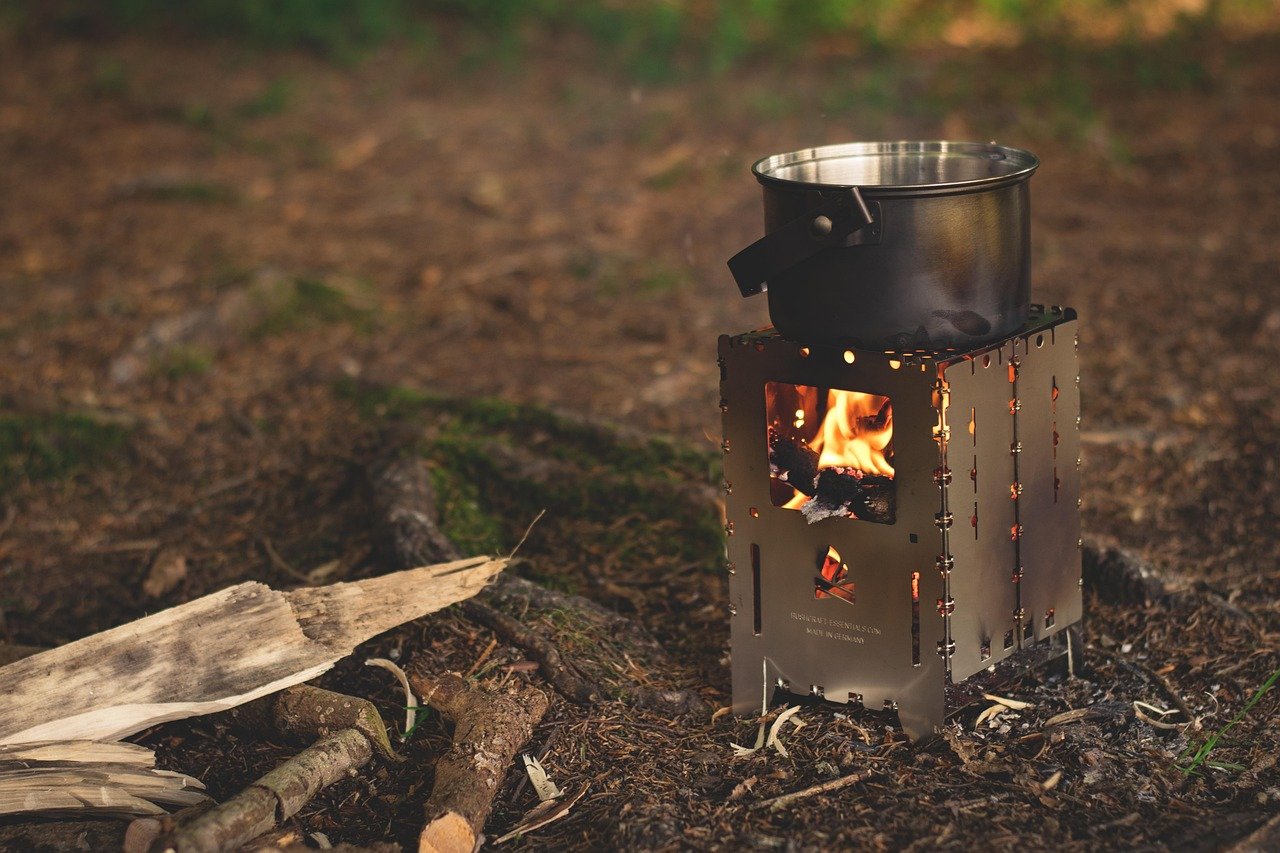
Bringing pots and pans straight from your home kitchen might seem like an easy way to save money, but residential cookware rarely performs well outdoors. Home cookware is designed for wide burn surfaces and steady, distributed residential heat. Portable camp stoves produce narrow, concentrated flames that scorch thin home pans quickly. Additionally, household handles stick out awkwardly, making packing a nightmare.
Specially engineered camping cookware sets solve these issues through deliberate design choices:
- Integrated Nesting: Pots, pans, plates, and even small gas canisters slide into one compact bundle that fits neatly inside a stuffed backpack or gear bin.
- Optimized Heat Transfer: Materials are chosen specifically to spread heat evenly across direct camp stove flames, reducing stubborn hot spots.
- Weight Efficiency: Specialized thin-gauge alloys and lightweight folding handles minimize pack weight without sacrificing structural strength.
- Multipurpose Components: Strainer lids double as cutting boards, while frying pans often serve as pot covers to trap heat and save fuel.
If you prefer keeping your pack as light as possible, pairing smart kitchen gear with tailored solo camping gear for beginners creates an efficient set up that will not weigh you down on long approaches.
Material Breakdown: Finding the Right Metal for Your Kitchen
The core material of your pot set dictates how fast food cooks, how much scrub time you spend at the dish station, and how long the gear lasts across seasons. Here is how the primary options stack up for outdoor cooks.
Hard-Anodized Aluminum
Anodized aluminum undergoes an electrochemical process that thickens its surface, rendering it scratch-resistant, non-reactive, and extremely durable. It conducts heat rapidly and evenly, making it ideal for boiling water fast or simmering delicate sauces. Many premium nesting anodized aluminum cookware set choices feature high-grade non-stick coatings, which make fried eggs and pancakes slide off effortlessly with minimal cleanup oil needed.
Stainless Steel
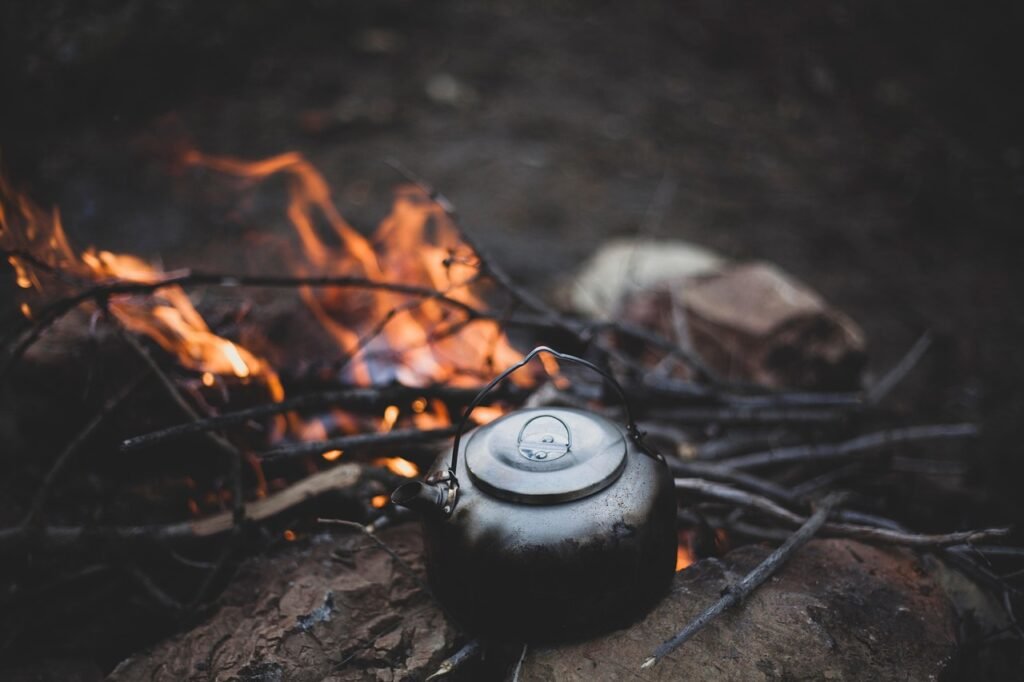
When durability is your top priority, stainless steel is virtually indestructible. It resists denting, gouging, and corrosion, surviving direct placement on white-hot wood embers. While steel does not conduct heat as evenly as aluminum—meaning food can scorch if you do not stir frequently—it stands up to rigorous scrub pads, metal utensils, and open fires. A heavy-duty stainless steel camping cookware set is a timeless pick for rugged overland travel and deep-woods basecamps.
Cast Iron
Cast iron remains the gold standard for traditional car camping and open-fire cooking. It holds heat brilliantly, creates an unbeatable sear on meats, and bakes incredible campfire bread. However, cast iron is exceptionally heavy and requires consistent seasoning to prevent rust. Packing a full cast iron cook set is strictly suited for vehicle-based adventures where pack weight is not a concern.
Collapsible Silicone
Flexibility meets function in modern space-saving cookware. These sets feature food-grade silicone sidewalls that accordion down flat, attached to an anodized aluminum heat-transfer base. Choosing a collapsible silicone cook set drastically reduces volume in your pack, leaving extra space for sleeping bags and trail supplies.
Choosing Camping Cookware Sets for Your Specific Trip Style
Matching your gear to your headcount and trip style keeps cooking fun rather than chaotic. A solo fast-packer requires a vastly different setup than a family of four spending a long weekend at a state park campground.
For backpacking and solo treks, focus on minimalist dual-purpose options. A single anodized pot with a lid that doubles as a skillet usually suffices. If you want to explore ultra-efficient trail kitchen options, check out our guide to lightweight camping cookware options to refine your kit for high-mileage days.
Car camping setups allow you to branch out into comprehensive multi-piece kits. Larger groups benefit from expanded camping cookware sets featuring nested three-liter pots, folding colandars, and non-stick skillets large enough to feed several hungry campers simultaneously. Pairing a complete cook station with balanced family camping gear essentials ensures everyone gets fed quickly after a long day of outdoor activities.
Essential Smart Features to Consider
Beyond material choices, tiny engineering details separate mediocre pots from brilliant trail gear. Look closely at these functional highlights when comparing different options:
- Handle Security: Removable pot lifters or folding silicon-jacketed handles must lock rigidly into place. Wobbly handles lead to spilt dinners and accidental burns.
- Lid Functionality: Transparent glass lids are too fragile for travel. Look for vented aluminum or durable BPA-free plastic lids with built-in straining holes for pasta and rice.
- Internal Measuring Lines: Stamped fluid ounce and milliliter markings inside pots eliminate the need to carry separate measuring cups when rehydrating meals.
- Integrated Dish Systems: Many top camping cookware sets contain color-coded bowls, insulated mugs, and folding sporks tucked directly inside the main pot to maximize space.
Maintenance and Trail Care Tips
Proper maintenance extends the life of your gear significantly. Always follow these simple habits to keep your kit in peak condition:
- Avoid Metal Utensils on Non-Stick: Use silicone, wood, or smooth plastic spoons to avoid gouging non-stick coatings.
- Protect the Nesting Surfaces: Place a microfiber camp towel between stacked pots inside camping cookware sets to prevent friction scratches during bouncy truck rides or trail miles.
- Pack Out Gray Water Responsibly: Strain out food particles into trash bags and scatter biodegradable soap washwater at least 200 feet away from lakes and streams.
FAQ
Frequently Asked Questions
How do I clean non-stick camping cookware without scratching it at camp?
Use a soft silicone scraper or sponge with hot water and a small drop of biodegradable soap, avoiding abrasive scrubbers or steel wool.
Can I use aluminum camping cookware directly on an open campfire?
Thin aluminum can warp or hot-spot over high campfire coals, so it is better suited for camp stoves or held well above gentle coals.
Is cast iron better than aluminum for car camping?
Cast iron provides superior heat retention and durability for heavy cooking, but aluminum heats much faster and is far easier to transport.
Final Thoughts for Your Camp Kitchen
Upgrading your outdoor kitchen with well-designed camping cookware sets turns meal preparation from a chore into a rewarding part of your outdoor experience. By matching your cookware material to your camping style—whether lightweight aluminum for fast trail moves or rugged stainless steel for long stays—you ensure efficient heat, easy cleaning, and hassle-free packing. Choose a set with secure locking handles, smart nesting capability, and durable construction to enjoy hot, delicious meals on every trip into the wilderness.