As an Amazon Associate I earn from qualifying purchases.
Finding the best camping cookware can completely transform your backcountry meals from a gritty chore into the best part of your night under the stars. There is a distinct misery in scraping scorched oatmeal off the bottom of a thin pan while shivering in the dark, just as there is sheer bliss in enjoying a steaming hot meal after fifteen grueling miles on the trail. Your camp kitchen setup dictates not only what you can eat, but how heavy your pack feels and how much time you spend scrubbing pots when you would rather be resting.
Whether you are preparing a simple freeze-dried meal on a wind-swept ridge or frying fresh pancakes at a lakeside campsite, selecting the best camping cookware requires balancing weight, packability, heat distribution, and durability. The ideal pot or pan depends heavily on how far you intend to carry it and what kind of trail cuisine you plan to make.
The Core Materials: Titanium vs. Aluminum vs. Cast Iron
Understanding cookware materials is the foundation of building a great camp kitchen. Each metal offers distinct performance trade-offs regarding heat transfer, weight, and longevity. Before investing in the best camping cookware for your system, consider how these three dominant materials behave over a flame:
1. Titanium
Titanium dominates the ultralight backpacking category thanks to its incredible strength-to-weight ratio. A titanium pot or mug weighs practically nothing and resists dents and scratches effortlessly. However, titanium is a relatively poor conductor of heat. It creates sharp hot spots directly above the stove burner, making it prone to scorching solid foods like eggs, rice, or pancakes. Titanium excels if your trail cooking consists almost entirely of boiling water for dehydrated meal pouches, hot tea, or instant coffee. For minimalist hikers pairing lightweight gear, reviewing essential backpacking essentials can help keep your total base weight manageable.
2. Hard-Anodized Aluminum
Hard-anodized aluminum is the versatile middle ground for most trail cooks. The anodization process hardens the metal surface, creating a durable, scratch-resistant layer that conducts heat exceptionally well. Heat spreads evenly across the bottom and sides of the pot, virtually eliminating hot spots and allowing you to simmer sauces, sauté vegetables, or bake trail bread. Many aluminum pots feature non-stick coatings, which dramatically simplifies field cleaning when water supplies are limited.
3. Stainless Steel & Cast Iron
Stainless steel and cast iron belong firmly in basecamps, vehicle setups, and short canoe trips. Stainless steel is nearly indestructible, scratch-resistant, and dishwasher-safe once you return home, though it is heavier than aluminum. Cast iron retains heat brilliantly and provides an iconic non-stick sear over open campfire coals, but its sheer weight rules it out for long backcountry hikes.

How to Choose the Best Camping Cookware for Any Trip
Choosing the best camping cookware for your kit comes down to evaluating three main practical criteria: group size, meal style, and packing efficiency.
First, consider how many people you are feeding. Solo hikers rarely need more than a single pot or pot-mug combo with a capacity between 550ml and 900ml. If you travel solo, keeping your kit lightweight saves valuable shoulder energy; check out our guide on solo camping gear for additional tips on streamlining your setup. Couples or small groups generally require a 1.5-liter to 2-liter pot, while family groups need multi-pot sets with interchangeable lids to cook multiple dish components simultaneously.
Second, decide whether you are a “water boiler” or a “trail chef.” If you rely strictly on instant meals, a narrow, tall pot maximizes thermal efficiency over small gas stoves. If you like cooking real food from scratch, wide, shallow pots and pans provide a broader cooking surface, making stirring and heat regulation far easier. Minimalists often lean toward an ultralight titanium cooking pot, whereas culinary enthusiasts prefer a complete nesting camping cookware set that provides versatility across different recipes.
Third, prioritize packability. Modern outdoor cookware utilizes smart design features like folding heat-resistant handles, locking lids, and modular nesting spaces. Top-tier cook sets allow a standard gas canister, micro-stove, folding spork, and small dish cloth to tuck neatly inside the primary pot, eliminating wasted volume in your pack.
Matching Cookware Setups to Your Adventure Style
Not every trip demands the same kitchen setup. Here is how to select the best camping cookware configurations based on your specific travel style:
Ultralight Backpacking & Fast-Packing
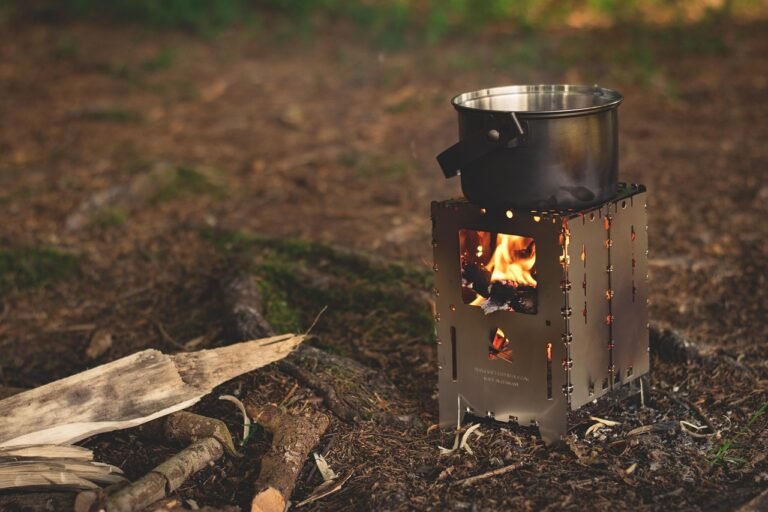
When every ounce matters, stick to a single narrow titanium pot with a capacity under 800ml. Combine this with a tiny canister stove or an integrated backpacking stove system for rapid boil times. You boil water, eat, and drink from the exact same container, eliminating extra dishes and keeping your cook kit under ten ounces total.
Weekend Backpacking & Multi-Day Treks
For two-to-four-day trips where real meals boost morale, a medium-sized hard-anodized aluminum pot with a small skillet lid offers the perfect middle ground. You can boil water for soup, cook pasta, or fry up breakfast meats easily. For a deeper breakdown of pot volume recommendations and weights, explore our detailed guide to lightweight cookware sets.
Car Camping & Basecamp Cooking
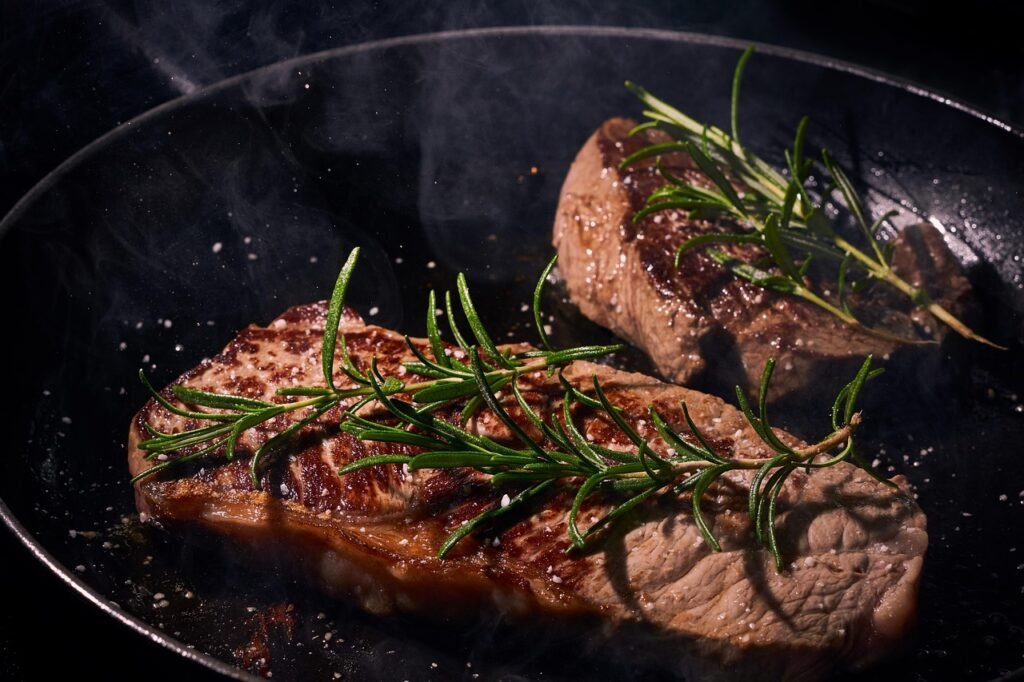
When your vehicle carries the load, comfort takes priority over weight savings. A complete multi-piece stainless steel or heavy-duty aluminum set lets you simmer sauce on one burner while boiling pasta on another. Adding a robust cast iron camp skillet gives you high-temperature searing capabilities over an open fire grate for steaks, eggs, and cornbread. If you are organizing a full trip for your family, take a look at our essential checklist for family camping gear.
Field Care, Cleaning, and Leave No Trace
Properly caring for the best camping cookware ensures it lasts for decades of trail use while protecting fragile natural environments:
- Protect Non-Stick Coatings: Use wooden, silicone, or plastic utensils. Metal forks and spoons easily scratch delicate non-stick coatings, causing them to flake and lose effectiveness over time.
- Scrape Scraps Safely: Use a flexible silicone pot scraper to remove food residue before washing. This reduces the amount of water and soap needed to clean your pot.
- Practice Responsible Sanitation: Wash pots at least 200 feet away from lakes, streams, and trail campsites. Use a drop of unscented, biodegradable camp soap. Strain food particles out of your gray water and pack those solids out with your trash, scattering the remaining liquid widely across soil.
- Avoid Thermal Shock: Never plunge a burning hot pot straight into cold river water, as rapid temperature drops can warp aluminum or crack thin non-stick coatings.
FAQ
Frequently Asked Questions About Camping Cookware
Is titanium cookware better than anodized aluminum for camping?
Titanium is significantly lighter and extremely durable, making it ideal for boiling water fast on ultralight backpacking trips. However, hard-anodized aluminum distributes heat much better, preventing burnt spots and making it superior for actual cooking and simmering when choosing the best camping cookware for trail recipes.
How do you clean camping cookware on the trail without harming the environment?
Strain food scraps from your wash water using a small mesh strainer or bandanna, and pack those scraps out with your trash. Use a single drop of biodegradable camp soap and scatter gray water at least 200 feet away from lakes, streams, and campsites to protect local watersheds.
Can I use regular home kitchen cookware for car camping?
You can, but regular home pots are bulkier, lack space-saving folding handles, and can be damaged over open campfire grates or compact camp stoves. Purpose-built outdoor cookware nests together efficiently and stands up better to rugged outdoor use.
Final Thoughts
Investing in the best camping cookware elevates every outdoor experience, replacing frustrating burnt meals and heavy packs with efficient, reliable outdoor dining. By matching your cookware materials and dimensions to your favorite activities, you can enjoy hot, satisfying meals wherever the trail takes you.
Also read: Best Camping Cookware for Your Next Hike & Adventure — Smart, Reliable Picks