
As an Amazon Associate we earn from qualifying purchases. Amazon links on this page are affiliate links.
Updated for October 2026: a new section on "Seamless Hydration: Integrating with Your Backpack", 1 corrected sentence added.
Best Hydration Packs for Hiking and Camping
If you've ever felt that parched desperation halfway up a trail, you instinctively understand the vital role hydration packs play. Bottles bounce, side pockets get annoying, and stopping every 15 minutes breaks your rhythm. That’s exactly why the best hydration packs for hiking and camping have become standard gear for day hikers, backpackers, and even casual campers.
But choosing one isn’t as simple as grabbing the biggest bladder or the lightest pack. Fit, capacity, hose design, and even bite valves can make or break your experience. I’ve seen beginners buy race-style packs for overnight trips—and regret it within the first mile.
This guide is written to help you choose confidently, avoid common mistakes, and match the pack to how you actually hike and camp.
Table of Contents
- Why Hydration Packs Matter on the Trail
- How Hydration Packs Work (Simple Breakdown)
- Types of Hydration Packs Explained
- Capacity Guide: How Much Water Do You Really Need?
- Fit & Comfort: Where Most People Get It Wrong
- Best Hydration Packs for Hiking and Camping (Top Picks by Use Case)
- Comparison Table
- How to Choose the Right Pack for You
- Common Beginner Mistakes
- Care, Cleaning & Longevity Tips
- Final Recommendation Logic
1. Why Hydration Packs Matter on the Trail
Hydration packs solve a simple but critical problem: easy, consistent access to water.
Instead of stopping, pulling out a bottle, and losing momentum, you sip while moving. Over long hikes or hot conditions, that convenience turns into better hydration—and fewer headaches, cramps, or fatigue crashes.
For camping trips, hydration packs also double as lightweight day packs for:
- Short supply runs
- Side hikes from camp
- Warm-weather exploration
That’s why the best hydration packs for hiking and camping balance water storage and practical carry space.
2. How Hydration Packs Work (Simple Breakdown)
At their core, hydration packs have three main parts:
- Water bladder (reservoir): Usually 1.5L–3L
- Drink tube + bite valve: Allows hands-free sipping
- Pack body: Holds essentials like snacks, phone, map, layers
Higher-quality packs improve the following:
- Hose insulation (keeps water cooler)
- Leak resistance
- Valve flow rate
- Shoulder and chest strap comfort
Simple system—big impact when you’re miles from the trailhead.
3. Types of Hydration Packs Explained
Not all hydration packs are built the same. Here’s a realistic breakdown.
Minimalist / Running-Style Packs
- 1.5L–2L bladder
- Tight fit, low storage
- Best for fast hikes or short trails
Day Hiking Hydration Packs
- 2L–3L bladder
- Space for snacks, jacket, first-aid
- Most popular category
Camping-Friendly Hydration Packs
- 3L bladder
- Extra compartments
- Can replace a small daypack at camp
If you want versatility, most people should focus on the best hydration packs for hiking and camping in the day hiking category.
Also Read: Best Hiking Boots for Beginners (2026): Comfort, Grip & Fit Explained
4. Capacity Guide: How Much Water Do You Really Need?
This is where many buyers overthink—or underestimate.
Quick rule of thumb:
- Short hikes (<2 hrs): 1.5L
- Half-day hikes: 2L
- Hot weather or camping: 2.5–3L
Carrying too much water adds weight fast. Carrying too little means rationing. The sweet spot for most users is 2–3 liters, which is why it dominates the best hydration packs for hiking and camping category.
5. Fit & Comfort: Where Most People Get It Wrong
I’ve seen expensive packs abandoned simply because they didn’t fit right.
Key fit points:
- Shoulder straps should hug, not dig
- Chest strap should stabilize, not choke
- Back panel should breathe (mesh matters)
- Waist strap helps distribute weight on longer hikes
If a pack bounces when you walk around your room, it’ll bounce worse on a trail.
6. Best Hydration Packs for Hiking and Camping (Top Picks by Use Case)
Below are use-case-driven recommendations, not hype picks. Each one serves a specific type of hiker or camper.
Best Overall: Osprey Daylite Plus
Best for: Day hikes, travel, light camping use
Why it works: Excellent balance of comfort, storage, and durability
Limitation: Not designed for heavy overnight loads
- Breathable back panel
- Stable fit
- Durable zippers
- Easy-to-clean bladder
Best Lightweight Option: CamelBak Arete 18
Best for: Warm-weather hikes, minimalists
Why it works: Light, streamlined, simple
Limitation: Limited organization
- 2L reservoir
- Compressible design
- Comfortable for shorter trips
Best for Camping & Versatility: TETON Oasis 1100
Best for: Camping trips, beginners, budget buyers
Why it works: Solid capacity without premium pricing
Limitation: Heavier than minimalist packs
- 2L bladder included
- Good pocket layout
- Adjustable straps
Best for Hot Weather: Gregory Nano H2O
Best for: Summer hikes, humid climates
Why it works: Excellent airflow and comfort
Limitation: Less structured storage
7. Comparison Table
| Pack | Bladder | Best For | Weight | Limitation |
|---|---|---|---|---|
| Osprey Daylite Plus | 2–3L | All-around use | Medium | Not overnight |
| CamelBak Arete 18 | 2L | Short hikes | Light | Limited space |
| TETON Oasis 1100 | 2L | Camping | Medium-Heavy | Bulkier |
| Gregory Nano H2O | 3L | Hot weather | Medium | Fewer pockets |
8. How to Choose the Right Pack for You
Choose based on how you hike, not what looks good online.
Choose this if:
- You hike 2–6 hours → 2–3L capacity
- You camp regularly → extra storage
- You hike in heat → airflow matters
Avoid this if:
- It’s too big for your typical trips
- It lacks chest/waist straps
- Reviews mention leaks or poor valves
The best hydration packs for hiking and camping disappear on your back—you shouldn’t be constantly adjusting them.
Also Read: Best Hiking Boots for Rugged Trails (2026 Buyer’s Guide)
9. Common Beginner Mistakes
- Buying race packs for camping
- Ignoring fit charts
- Overloading with water
- Never cleaning the bladder
- Choosing style over comfort
Most regrets come from rushing the purchase.
10. Care, Cleaning & Longevity Tips
- Rinse bladder after every trip
- Air dry fully (no sealed storage)
- Use cleaning tablets monthly
- Don’t freeze full bladders
A well-maintained pack can last years.
11. Final Recommendation Logic
If you want one reliable choice, go with a balanced day-hiking hydration pack from a trusted brand. Lightweight packs are great—but only if they match your trip length.
The best hydration packs for hiking and camping are the ones you forget you’re wearing—until you take that easy sip mid-climb and realize you chose right.
Seamless Hydration: Integrating with Your Backpack
While many hydration packs shine as standalone day packs, their true versatility often emerges when integrated into a larger backpacking setup. For multi-day trips, your primary hiking backpack typically has a dedicated sleeve or compartment designed to hold a hydration reservoir. Utilizing this feature keeps your water supply internal, protecting it from external snags and distributing weight closer to your back for better balance and comfort over long distances.
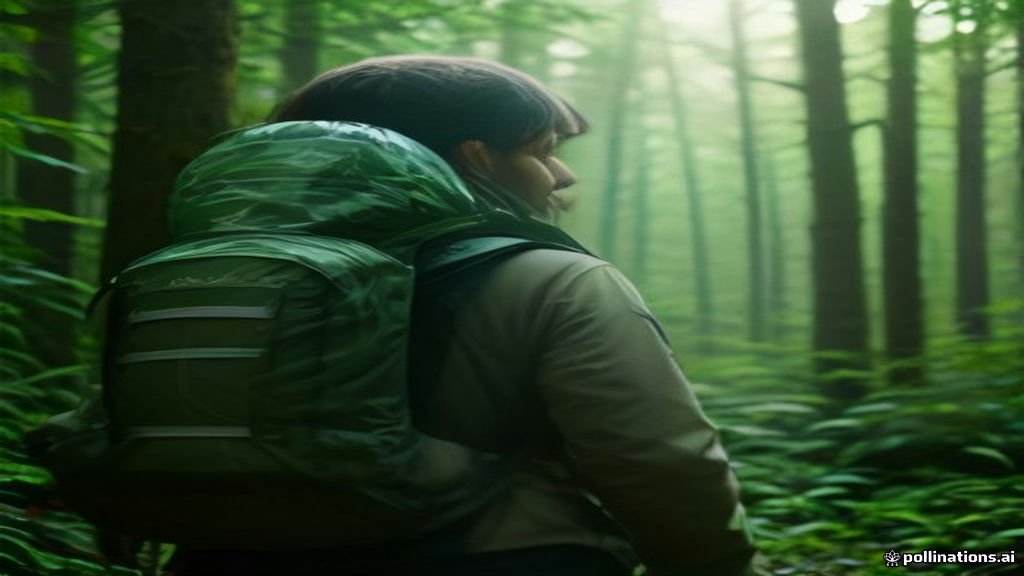

Proper integration involves more than just stuffing the bladder in. Ensure the drink tube is routed through the designated port, usually near the top of the pack, and secured to a shoulder strap clip. This prevents the hose from dangling or getting tangled. When choosing a bladder for integration, consider its shape and whether it will sit flat against your back without creating uncomfortable bulges once the rest of your gear is packed. A 2-3 liter bladder is common for this setup, allowing you to carry sufficient water between refills.
Remember that while your hydration pack handles continuous sipping, you might still want a secondary water bottle for camp use, mixing electrolyte drinks, or quickly sharing water. Also, consider integrating a hiking water filter or purification tablets for easy refills from natural sources on the trail, ensuring you never run dry. Proper organization of your gear, including your hydration system, is key to an enjoyable backcountry experience. For more tips on keeping your essentials in order, check out our guide on How to Organize Camping Gear: Smart Storage Tips.
7. FAQs
1. Are hydration packs better than water bottles for hiking?
Yes, especially for longer hikes. They encourage frequent sipping and reduce stopping.
2. How long does water stay cool in hydration packs?
With insulation, several hours. In hot sun, expect warm water eventually.
3. What size hydration pack is best for beginners?
A 2–3L pack is ideal for most new hikers and campers.
4. Can hydration packs be used for camping?
Absolutely. Many hikers use them as camp daypacks.
5. Do hydration bladders leak easily?
Quality bladders rarely leak if sealed and cleaned properly.
6. Are hydration packs heavy?
The water adds weight, but good packs distribute it well.
7. Can you put ice in hydration bladders?
Yes, but don’t overfill.
8. How often should you clean the bladder?
After every trip, deep clean monthly.
9. Do hydration packs work in cold weather?
Yes, but hoses can freeze without insulation.
10. Are expensive hydration packs worth it?
For frequent hikers, comfort and durability often justify the cost.
11. Can hydration packs replace backpacks?
For short trips, yes. Not for multi-day backpacking.
12. What’s the biggest mistake buyers make?
Choosing capacity without considering fit.
13. Are kids’ hydration packs different?
Yes, they’re sized smaller and fit differently.
14. How long do hydration packs last?
With care, 3–5 years or more.
15. What makes the best hydration packs for hiking and camping stand out?
Comfort, reliable hydration flow, and the right balance of storage.
🔗 Related Articles
- Best Lightweight Daypacks: 7 Brilliant Picks for Hikers Hiking Gear
- Best Backpacks for Solo Hiking: Ultimate Beginner Guide 2026 Hiking Gear
- Best Hydration Gear for Overnight Hikes: Beginner Guide 2026 Hiking Gear
- Top Backpacks for Sierra Hiking: Shop the Best for 2026 | Hiking Gear
- 7 Best Hiking Backpacks for Long Trails (2026) Hiking Gear
- Hiking Backpacks Women: Best Hiking Backpacks for Women: Fit, Comfort & Capacity Guide: 10 Picks for 2026 Buying Guides