
As an Amazon Associate we earn from qualifying purchases. Amazon links on this page are affiliate links.
Updated for October 2026: a new section on "Managing Water Ingress: Why Gaiters Are Essential" added.
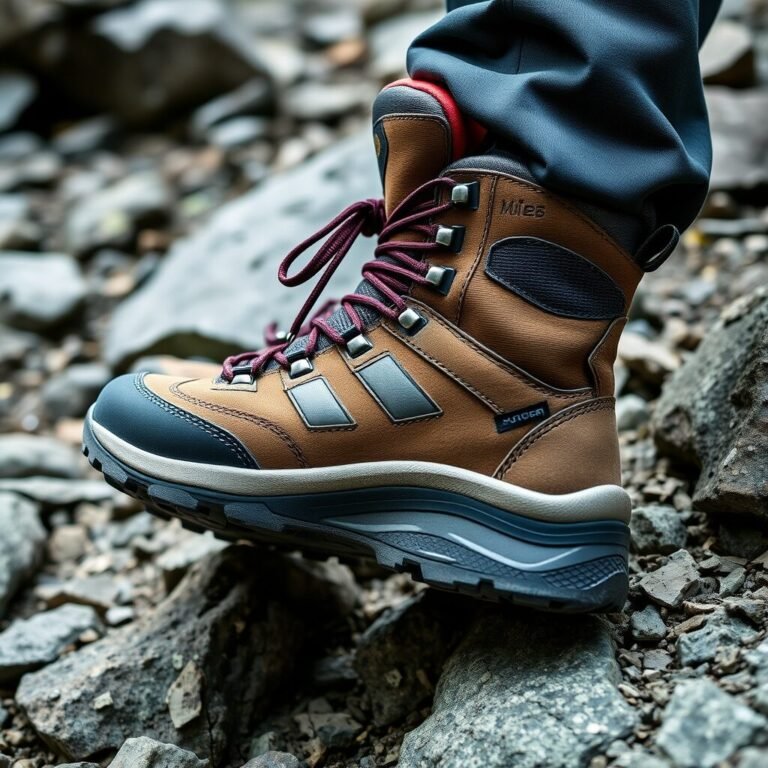
Waterproof Hiking Boots for USA Conditions: A Practical Guide
If you’ve ever stepped into a shallow stream thinking, “These are waterproof—I’m fine,” and felt cold water seep in minutes later, you already know the confusion around waterproof hiking boots for USA conditions.
The U.S. has wildly different terrain and climate zones. What works in Arizona deserts fails miserably in Oregon rain. Boots that feel great on a store floor can wreck your feet on a real trail.
This guide breaks it down clearly—no hype, no sales pressure—so you understand what actually matters before buying or hiking.
1. What Waterproof Hiking Boots Really Mean
Waterproof doesn’t mean indestructible or submersible.
Most waterproof hiking boots for U.S. conditions rely on a membrane layered inside the boot. This membrane blocks liquid water while allowing some moisture vapor to escape.
Key reality check:
-
Waterproof ≠ dry forever
-
Water can still enter from the top
-
Breathability is always limited
Many beginners assume waterproof boots work like rubber rain boots. They don’t.
2. Why US Conditions Demand Different Boots
The U.S. throws everything at hikers:
-
Pacific Northwest: constant rain, mud, slick roots
-
Rockies: snowmelt, sharp rocks, altitude swings
-
East Coast: humidity, wet leaves, uneven trails
-
Southwest: dry heat, flash floods, abrasive terrain
That’s why waterproof hiking boots for USA conditions must balance the following:
-
Moisture protection
-
Grip on varied surfaces
-
Long-hour comfort
A boot designed for European alpine trails may struggle in humid Appalachian forests.
Also Read: Best Hiking Boots for Beginners (2026): Comfort, Grip & Fit Explained
3. How Waterproofing Actually Works
Most boots use one of these systems:
Waterproof Membranes
-
Laminated inner layer
-
Blocks water droplets
-
Allows limited sweat vapor escape
Sealed Seams
-
Prevent leakage through stitching
-
Often overlooked but critical
Treated Outer Materials
-
Leather or synthetic with DWR coating
-
Slows water absorption
Important truth: once the outer material soaks through, breathability drops fast—even if water doesn’t leak inside.
4. Common Beginner Mistakes (That Hurt Your Feet)
These mistakes show up constantly with first-time buyers of waterproof hiking boots for U.S. conditions:
-
Buying too tight (feet swell on trails)
-
Ignoring sock choice
-
Assuming heavier boots = better protection
-
Skipping break-in time
-
Choosing waterproof for hot, dry hikes
Blisters usually come from friction and poor fit—not cheap boots.
5. Choosing the Right Boot for Your Terrain
Rocky Mountain Trails
-
Stiffer sole
-
Strong toe protection
-
Reliable ankle support
Wet Forests & Mud
-
Aggressive outsole lugs
-
Good heel braking
-
Fast-drying upper materials
Mixed Terrain Day Hikes
-
Moderate cushioning
-
Flexible forefoot
-
Balanced weight
The best waterproof hiking boots for U.S. conditions match where you hike—not just how they look.
6. Fit, Comfort, and Break-In Reality
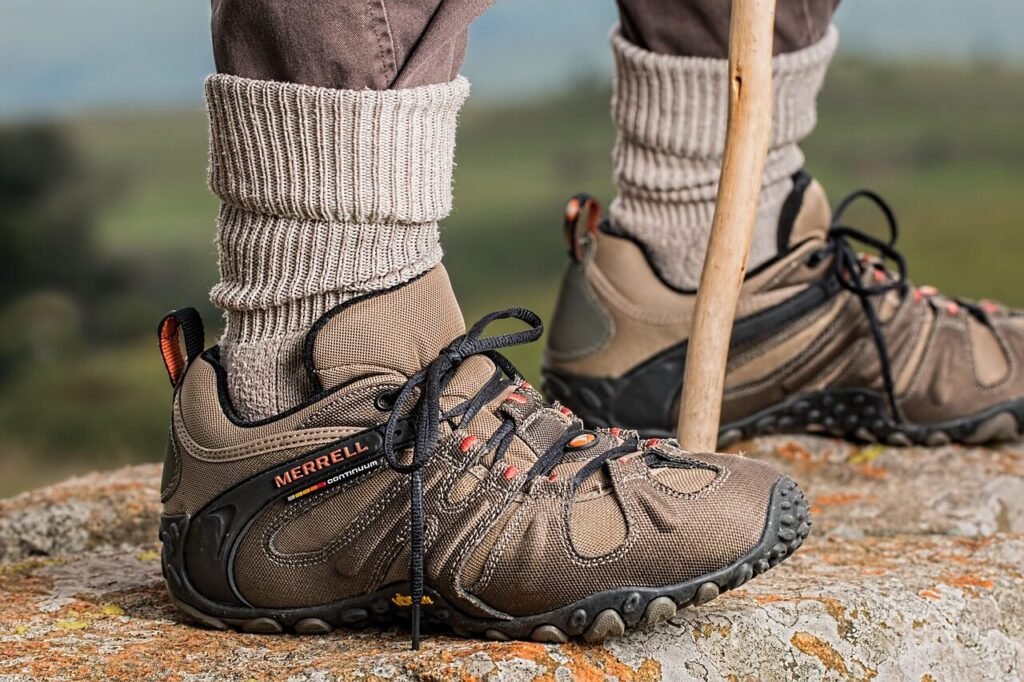
Fit matters more than waterproofing.
What to check:
-
Thumb-width space at the toe
-
Heel stays locked while walking
-
No pressure on the instep
-
Comfortable downhill movement
Break-in is real. Even modern boots need the following:
-
Short walks first
-
Gradual mileage increase
Ignoring this step leads to foot pain on day one.
7. Climate Matters More Than You Think
Waterproof boots trap heat.
In:
-
Hot, humid states → sweaty feet
-
Desert climates → overheating risk
For summer hikes in dry states, non-waterproof boots often perform better.
That’s why waterproof hiking boots for USA conditions are best for the following:
-
Wet seasons
-
Shoulder months
-
Rain-heavy regions
8. Weight vs Protection Trade-Off
Heavier boots:
-
More protection
-
Better stability
-
More fatigue over distance
Lighter boots:
-
Faster movement
-
Less energy use
-
Reduced ankle support
Many beginners overbuy heavy boots and regret it after mile five.
Also Read: Best Hiking Boots for Rugged Trails (2026 Buyer’s Guide)
9. Maintenance: Keeping Boots Truly Waterproof
Even premium boots fail without care.
Do this:
-
Clean mud after hikes
-
Air dry (never near heat)
-
Reapply DWR treatment
-
Store in a cool, dry place
Well-maintained waterproof hiking boots for USA conditions last years—not months.
10. Real-World Experience: A Costly Beginner Lesson
On my first multi-day hike in the Pacific Northwest, I trusted brand-new waterproof boots straight out of the box.
Day two:
-
Wet socks
-
Heel blisters
-
Sore arches
The boots weren’t bad—I was unprepared. No break-in, wrong socks, and constant rain. That experience taught me that gear knowledge matters as much as gear quality.
Also Read: Best Hiking Gear for Beginners: Complete 2026 Guide
11. When Waterproof Boots Are Not the Best Choice
Skip waterproof if:
-
You hike only in dry climates
-
Summer heat is extreme
-
You prefer fast-drying trail footwear
Sometimes, breathability beats waterproofing.
12. Final Takeaway for First-Time Buyers
Waterproof hiking boots for USA conditions aren’t about chasing features—they’re about matching terrain, climate, and hiking style.
Get the fit right.
Understand your environment.
Accept trade-offs.
Do that, and your boots stop being a problem—and start being a tool.
Managing Water Ingress: Why Gaiters Are Essential
A waterproof membrane stops water at your instep, but it cannot protect the wide opening around your ankle. In heavy rain, wet brush, or snowmelt, water invariably drips down your legs and seeps into the boot from above. Once moisture enters the interior of waterproof hiking boots, the very membrane designed to keep water out makes it remarkably difficult for moisture to escape.
To prevent this, experienced hikers pair their boots with lightweight hiking gaiters. Gaiters create a protective shield over the boot collar and lower pant legs, shedding rain, mud, and trail debris before they reach your socks. When navigating wet overgrown trails or shallow stream beds, short breathable gaiters keep your feet substantially drier than boots alone.
For wet-weather trips, make sure your waterproof rain pants sit outside your gaiters and boot cuffs rather than tucked inside. Tucking pants in directs runoff straight down toward your heels. Maintaining an unbroken barrier from hip to toe is just as critical as your footwear choice. For broader weatherproofing tips across your entire pack, explore our step-by-step guide on how to waterproof hiking gear.
7. FAQs
1. Are waterproof hiking boots worth it in the USA?
Yes, especially in wet, cold, or unpredictable regions like the Pacific Northwest or Rockies.
2. Do waterproof boots keep feet dry all day?
Not always. Water can enter from the top, and sweat buildup is common.
3. Are waterproof boots less breathable?
Yes. Breathability is always reduced compared to non-waterproof boots.
4. Can waterproof hiking boots be used in summer?
They can, but may feel hot in humid or desert climates.
5. How long do waterproof membranes last?
Typically 2–4 years with proper care and maintenance.
6. Are heavier boots better for beginners?
Not always. Too much weight causes fatigue and discomfort.
7. Should beginners choose ankle-high boots?
For uneven or rocky terrain, ankle support helps confidence.
8. Do waterproof boots need special socks?
Moisture-wicking socks improve comfort and reduce blisters.
9. How do I re-waterproof hiking boots?
Clean them and apply a DWR spray designed for outdoor footwear.
10. Are waterproof boots good for snow?
They help, but insulation and traction matter more in winter.
🔗 Related Articles
🔗 Related Articles
- Best Hiking Boots for Porcupine Mountains: Beginner Guide 2026 Hiking Gear
- Best Hiking Shoes for Ozark Trails — Comfort, Grip & Trail-Proven Fit Hiking Gear
- Best Waterproof Hiking Shoes for Rain: 9 Picks for 2026 Buying Guides
- Exclusive Hiking Boot Gators: Waterproof Gators for Hiking Boots: 12 Tips for 2026 Buying Guides
- Best Hiking Boots for Teton National Park Trails: Expert Hiking Gear
- Essential Hiking Boots Fit: How to Choose Hiking Boots That Fit: 9 Tips for 2026 Buying Guides