Last updated:
As an Amazon Associate I earn from qualifying purchases.
When the trail calls, the last thing you want is a sack that feels like a brick. That’s why lightweight backpacking tents have become a non‑negotiable item for anyone serious about hiking. In the next few minutes you’ll meet three models that balance weight, weather protection, and packability, plus a quick buying guide to keep you from over‑paying for features you’ll never use.
Why Lightweight Backpacking Tents Matter
Every extra ounce adds up over days of trekking. A tent that shaves 1 lb off your load can translate into a 5‑minute shortcut on the ascent, a cooler evening, or simply less fatigue on the descent. But “lightweight” isn’t a free‑for‑all; it means smarter materials—like ripstop nylon, silicone‑treated coatings, and aluminum or DAC poles—paired with clever geometry that maximizes interior space while minimizing fabric.
Beyond weight, modern lightweight backpacking tents often come with features that used to be reserved for heavier, family‑size shelters: integrated vestibules for gear, dual‑wall systems that breathe, and color‑coded pole layouts that cut set‑up time in half. If you’ve ever wrestled with a tent in the dark, you’ll appreciate the how to set up a tent in the rain without getting soaked tips built into these designs.
1. The Solo Ultralight – Perfect for One‑Person Adventures
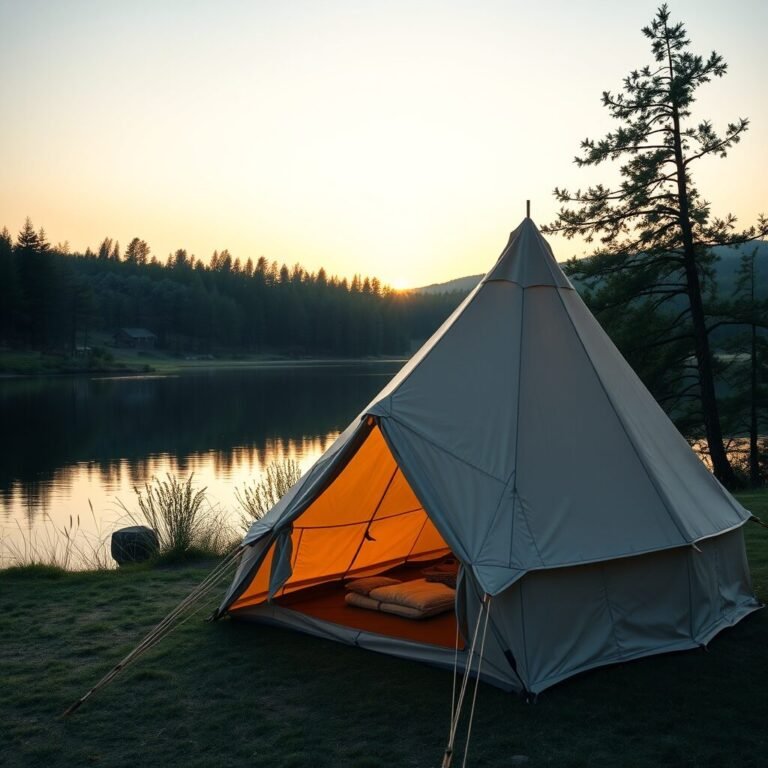
For hikers who travel light and solo, the first pick offers a floor area of about 32 sq ft and a peak height of 39 inches. The tent weighs roughly 2 lb 8 oz, thanks to a 15‑denier ripstop shell and a 30‑denier inner canopy. Its two‑pole hub system collapses into a 6‑inch‑diameter stuff sack—ideal for backpacks that already feel full.
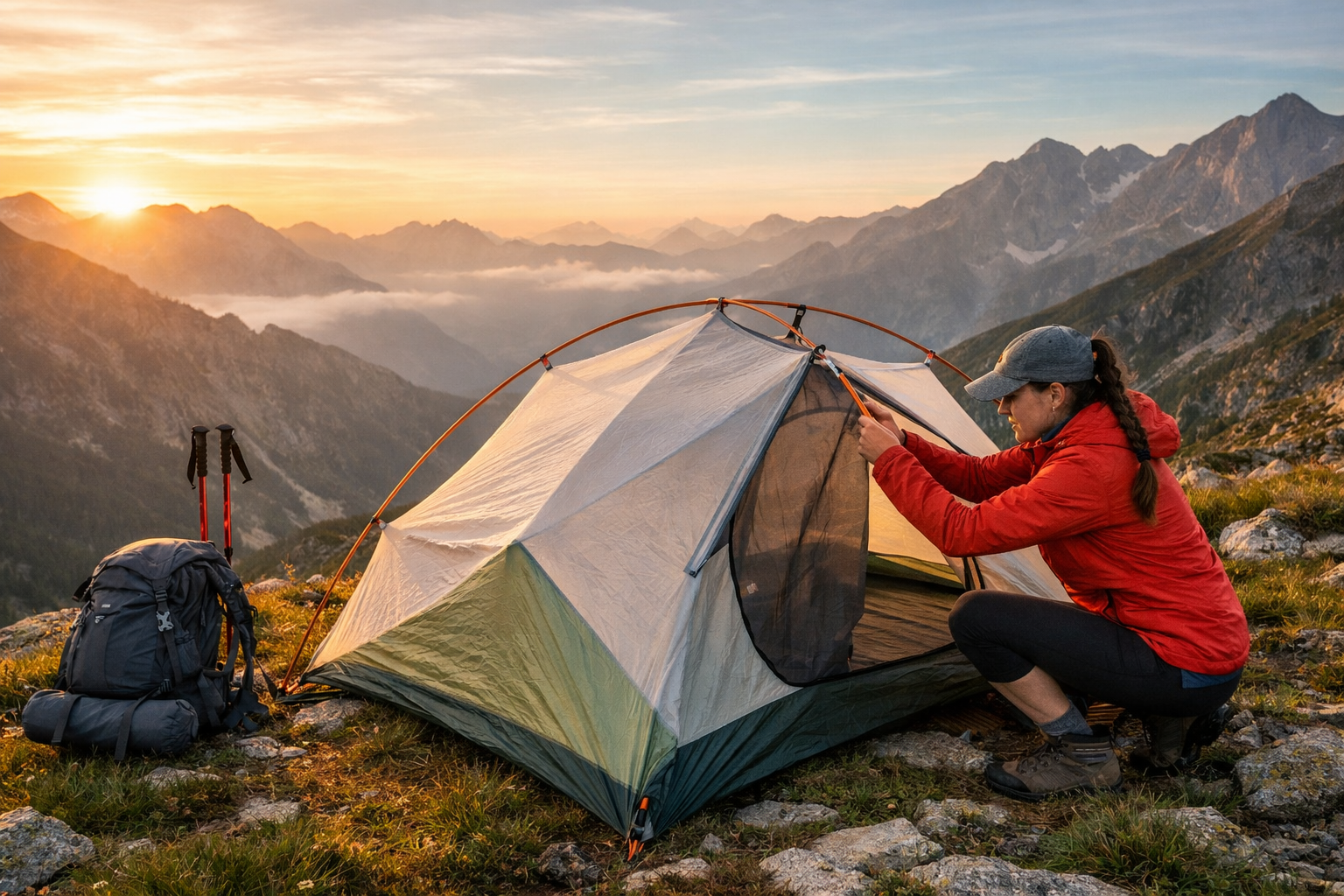
What sets this shelter apart is the integrated rainfly that fully covers the vestibule, keeping your packed daypack dry even in a downpour. The seams are factory‑taped, and a silicone coating adds a 1500‑mm waterproof rating without adding bulk. Set‑up takes under three minutes: just snap the pole hubs together, pop the fly over, and stake the corners.
Pair this tent with an ultralight tarp shelter for extra wind protection on windy ridgelines, or slip a compact sleeping pad underneath for added comfort on rocky ground.
2. The Two‑Person Hybrid – Space Without the Burden
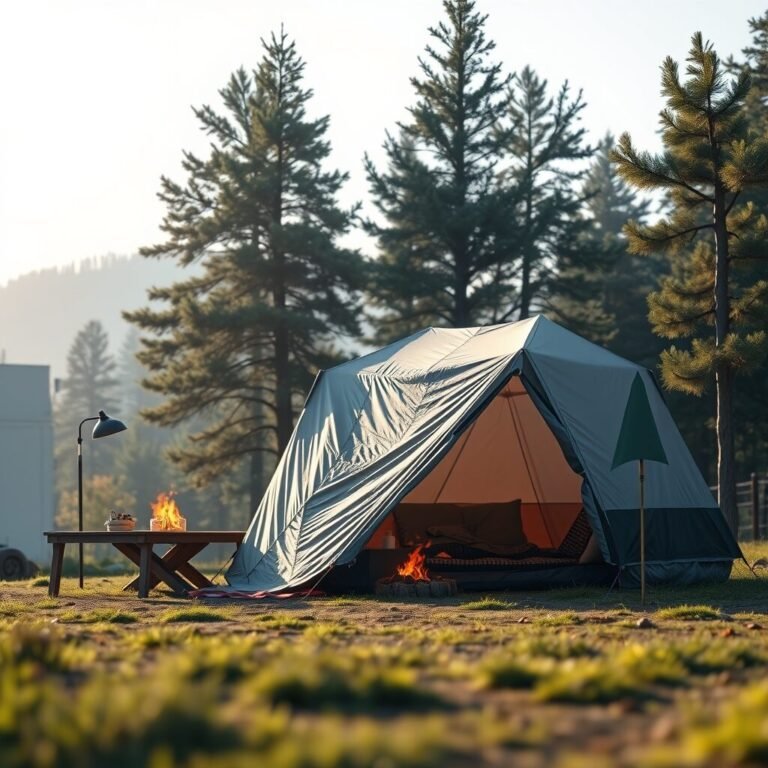
Couples and gear‑heavy hikers will love the second option, a two‑person hybrid that weighs just under 4 lb. Its floor measures 48 sq ft, and the interior height reaches 42 inches, giving you enough room to stretch out and store a small backpack under the vestibule. The pole architecture uses a hybrid of aluminum and carbon‑fiber—aluminum for the main supports, carbon for the crossbars—balancing durability and weight.
The fabric combo includes a 20‑denier nylon shell and a 10‑denier inner mesh that provides excellent ventilation, reducing condensation on humid evenings. A full‑coverage rainfly with a 2000‑mm rating ensures you stay dry during sudden mountain showers. Quick‑clip guylines let you tension the canopy in seconds, a feature that makes the shelter feel stable even in gusty conditions.
To round out your pack, consider a lightweight camp stove for quick meals and a portable solar lantern for eco‑friendly lighting after sunset.
3. The Versatile Three‑Season Shelter – From Trailheads to Alpine Passes
The third recommendation targets hikers who need a little more versatility without a massive weight penalty. This three‑season tent weighs about 4 lb 6 oz and offers a 55 sq ft floor with a 45‑inch peak height. Its standout feature is a dual‑layer design: a breathable inner canopy paired with a detachable rainfly that can be used independently as a shelter on windy days.
Its pole system utilizes a 9‑point hub that distributes stress evenly, allowing the tent to stay stable in both low‑wind valley nights and moderate alpine breezes. The fabric is a 30‑denier ripstop with a 1800‑mm waterproof rating, and the fly includes a mesh vent that can be opened for airflow without sacrificing protection.
Because the fly can be set up alone, you can create a quick shelter for a midday break without fully pitching the tent—a handy trick for long‑day hikers. Complement this setup with a compact sleeping pad and a ultralight tarp shelter for added flexibility on unpredictable terrain.
How to Choose the Right Lightweight Backpacking Tent
Even with three solid options on the table, picking the perfect shelter requires a quick self‑audit:
- Capacity vs. Weight: Solo hikers can comfortably carry a 2‑lb tent; couples should aim for under 4 lb if they want to keep the overall pack weight low.
- Season Rating: If you stick to spring‑through‑fall trips, a three‑season rating (1500‑2000 mm waterproof) is sufficient. For early‑season snow, look for a higher rating and stronger poles.
- Setup Simplicity: Color‑coded poles and hub systems reduce frustration, especially after a long day on the trail.
- Ventilation: Mesh panels and dual‑wall designs help prevent condensation, a common complaint among lightweight tent owners.
- Pack Size: Measure the packed dimensions against your backpack’s interior. A tent that compresses to under 6 inches in diameter is usually a safe bet.
For beginners, the best tents for beginners guide outlines the same criteria in more depth, helping you avoid over‑engineered models that add unnecessary grams.
Budget‑Friendly Add‑Ons That Complement Your Shelter
While the tent is the centerpiece, a few inexpensive accessories can dramatically improve your experience. A lightweight gear‑loop organizer keeps stakes and guylines tidy, and a budget camping accessories list highlights items under $30 that add comfort without breaking the bank. Don’t forget a reliable headlamp—hands‑free illumination is priceless when you’re setting up a fly after dark.
Putting It All Together – A Sample Packing List
Here’s a quick snapshot of a balanced ultralight pack for a three‑day hike:
- Tent: One of the three lightweight backpacking tents featured above.
- Sleepsystem: A down‑filled sleeping bag rated for the season + a compact sleeping pad.
- Cooking: Lightweight camp stove + titanium pot.
- Lighting: Portable solar lantern + headlamp.
- Protection: Ultralight tarp shelter for emergency rain cover.
With this lineup, you’ll stay dry, warm, and well‑fed while keeping the total pack weight under 12 lb—perfect for those long, scenic sections where every step counts.
Conclusion – Choose the Tent That Matches Your Pace
There’s no one‑size‑fits‑all answer, but the three lightweight backpacking tents highlighted above cover the most common scenarios: solo speed, couple comfort, and versatile three‑season performance. Assess your typical group size, the climate you’ll face, and how much you value quick setup, then match those priorities to the specs we’ve broken down.
Ready to upgrade your shelter? Start by narrowing down which of the three profiles fits your hiking style, then browse for the exact model that meets those criteria. Your next trail adventure will feel lighter—both on your back and in your mind.
FAQ
How do I choose the right size lightweight backpacking tent?
Pick a floor area that fits you and your gear comfortably—most solo hikers thrive with 30–40 sq ft, while couples prefer 45–55 sq ft.
Can a lightweight backpacking tent handle rain?
Yes, as long as it has a full‑coverage rainfly, taped seams, and a sturdy pole system.
What’s the best way to pack a lightweight backpacking tent?
Roll the tent body loosely, slide the packed fly into the stuff sack, and keep the stuff sack compressed with a strap or stuff sack organizer.