Best Sleeping Bags for Cold vs Warm Weather
Choosing the best sleeping bags for cold vs. warm weather sounds simple until you’re shivering at 3 a.m. or sweating through your base layers. I’ve done both. Neither is fun.
Sleeping bags aren’t just “warm” or “light.” They’re built for specific conditions, and using the wrong one can wreck an otherwise perfect trip. This guide breaks it down in plain English—no gear snob talk, no overthinking.
If you’re camping in the U.S., where seasons can flip fast, understanding the real difference between cold-weather and warm-weather sleeping bags matters more than brand hype.
Also Read: Top Camping Accessories
Best Sleeping Bags for Cold vs Warm Weather: What Actually Changes
The core difference isn’t just thickness. The best sleeping bags for cold vs. warm weather are designed around three things:
Temperature rating
Insulation type
Bag shape & ventilation
Miss one of these, and you’ll feel it all night.
Cold Weather Sleeping Bags: Built to Trap Heat
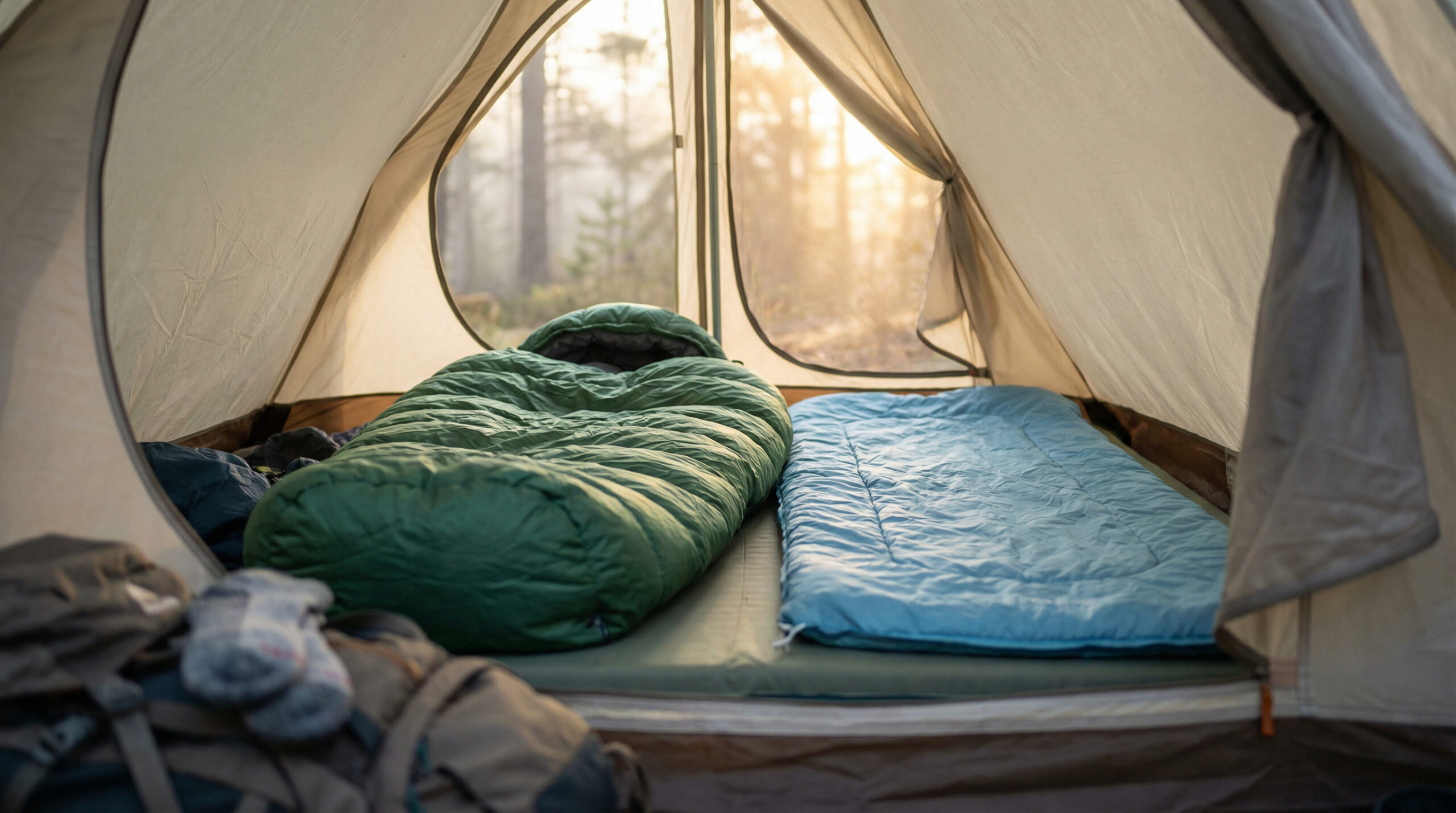
Cold-weather bags are for late fall, winter, alpine trips, or anyone who sleeps cold (yes, that’s a thing).
What Makes Them Different
Temperature rating: 0°F to 20°F is common
Insulation: Down or high-loft synthetic
Shape: Mummy-style to reduce dead air
Extras: Draft collars, hood cinches, zipper baffles
These bags are meant to seal heat in, not breathe.
Best Cold Weather Picks
1. Marmot Trestles Elite Eco 20
Use case: Cold spring and fall camping, shoulder seasons
Limitation: Bulky compared to down
Who it’s for: Beginners who want warmth without spending a fortune
2. Kelty Cosmic Down 20
Use case: Lightweight cold-weather backpacking
Limitation: Loses warmth if soaked
Who it’s for: Backpackers watching weight and budget
Warm Weather Sleeping Bags: Comfort Over Insulation
Warm-weather bags are for summer trips, humid climates, or indoor camping (yes, car camping counts).
What Sets Them Apart
Temperature rating: 35°F to 55°F
Insulation: Light synthetic or minimal down
Shape: Rectangular or semi-rectangular
Ventilation: Full-length zippers, quilt-style designs
The best sleeping bags for cold vs. warm weather differ most here—warm-weather bags focus on airflow, not heat trapping.
Also Read: Must-Have Camping Gadgets 2026
Best Warm Weather Picks
3. Coleman Brazos 40
Use case: Summer car camping
Limitation: Heavy and not packable
Who it’s for: Casual campers, families
4. Sea to Summit Trailhead 50
Use case: Hot nights, lightweight travel
Limitation: Not for temps below 45°F
Who it’s for: Minimalists and warm sleepers
Cold vs Warm Weather Sleeping Bags: Quick Comparison
| Feature | Cold Weather | Warm Weather |
|---|---|---|
| Temp Range | 0°F–20°F | 35°F–55°F |
| Bag Shape | Mummy | Rectangular |
| Weight | Heavier | Lighter |
| Ventilation | Minimal | High |
| Best Use | Winter & shoulder seasons | Summer & humid trips |
How to Choose the Right One (Without Regret)
If you’re unsure, consider this reasoning.
Choose a cold-weather bag if:
You camp spring/fall or in the mountains
Night temps dip below 40°F
You sleep cold
Choose a warm-weather bag if:
You camp only in summer
You hate feeling trapped
You prioritize breathability
For many people, owning two seasonal bags beats buying one “do-everything” option. That’s the real secret behind the best sleeping bags for cold vs. warm weather.
What Most People Miss
Temperature ratings assume the following:
A sleeping pad
Base layers
Average metabolism
Skip the pad, and even the best bag won’t save you. I learned that the hard way on a windy Utah night—warm bag, cold ground, and zero sleep.
Also Read: Top Tents for Camping and Hiking Trips Near You
A Quick Personal Story
On my first cold-weather trip, I brought a summer bag because it “said 40°F.” Temps hit 38°F. I spent the night wearing socks on my hands and promising myself I’d never cheap out on sleep again.
That trip taught me why the best sleeping bags for cold vs. warm weather aren’t interchangeable—and why honest gear choices matter more than marketing.
Final Thoughts
The right sleeping bag doesn’t just keep you warm—it keeps you rested, alert, and actually enjoying the trip. Whether you’re gearing up for frosty mornings or sticky summer nights, choosing the best sleeping bags for cold vs. warm weather comes down to matching the bag to reality, not hope.
Buy for the coldest night you expect, not the warmest one you want.
FAQs: Best Sleeping Bags for Cold vs Warm Weather
1. Can one sleeping bag work for all seasons?
Not really. You’ll always sacrifice comfort on one end.
2. What temperature rating should I trust?
Go 10°F lower than expected nighttime temps.
3. Are down bags better than synthetic ones?
Down is lighter; synthetics handle moisture better.
4. Is a mummy bag uncomfortable?
Only if you hate snug fits. Warmth comes at a cost.
5. Do warm sleepers need cold-weather bags?
Sometimes, especially in windy or damp conditions.
6. Are summer sleeping bags safe for kids?
Yes, if temps stay above their rating.
7. How important is a sleeping pad?
Critical. It prevents ground heat loss.
8. Can I unzip a cold-weather bag in summer?
You can, but it’s still overkill.
9. What’s better for humid climates?
Synthetic warm-weather bags breathe better.
10. Do rectangular bags stay warm enough?
Only in mild conditions.
11. How long do sleeping bags last?
5–10 years with proper storage.
12. Is weight important for car camping?
Not really—comfort matters more.
13. Can liners replace seasonal bags?
No, but they add flexibility.
14. Should beginners buy two bags or one?
If the budget allows, two is smarter.
15. What’s the biggest mistake buyers make?
Ignoring real nighttime temperatures.
🔗 Related Articles
- Best Kids Sleeping Bags for Family Trips: 9 Picks (2026) Accessories
- Top Cold Weather Sleeping Bags for Winter Camping | Proven Sleeping Bags
- Best Ultralight Sleeping Bags for Backpacking: 7 Things to Avoid Gear Reviews
- Best Rectangular Sleeping Bags for Comfort: 12 Picks for 2026 Camping Deals
- Best Sleeping Bags for Cold vs Warm Weather – Smart Guide Sleeping Bags
- Best Mummy Sleeping Bags for Cold Weather: 15 Picks for 2026 Buying Guides