
Updated for October 2026: a new section on "Troubleshooting Common Leak Issues" added.
-
As an Amazon Associate I earn from qualifying purchases.
If you’re hunting for the best 2-person tents to tackle the diverse landscapes of the United States, you’ve landed in the right spot. Whether you’re pitching a night under the red rocks of Moab or a misty forest in the Pacific Northwest, the right shelter can turn a shaky first outing into a confident adventure.
What Makes the Best 2-Person Tents Stand Out?
Beginner campers often chase the cheapest option, only to end up wrestling with a leaky floor or a tangled pole system. The best 2-person tents balance three core attributes:
- Weather protection: A reliable waterproof rating (look for at least 2000 mm hydrostatic head) and a sturdy rainfly keep you dry in sudden downpours.
- Weight vs. durability: Backpackers need something light enough to carry, while car campers can afford a heavier, more robust frame.
- Ease of setup: Pop‑up designs or intuitive pole clips shave minutes off your campsite routine, especially after a long hike.
These factors echo the advice in our Best Tents for Beginners 2026 – Coleman vs Ozark Trail guide, where we emphasized that simplicity often trumps flashy extras for newcomers.
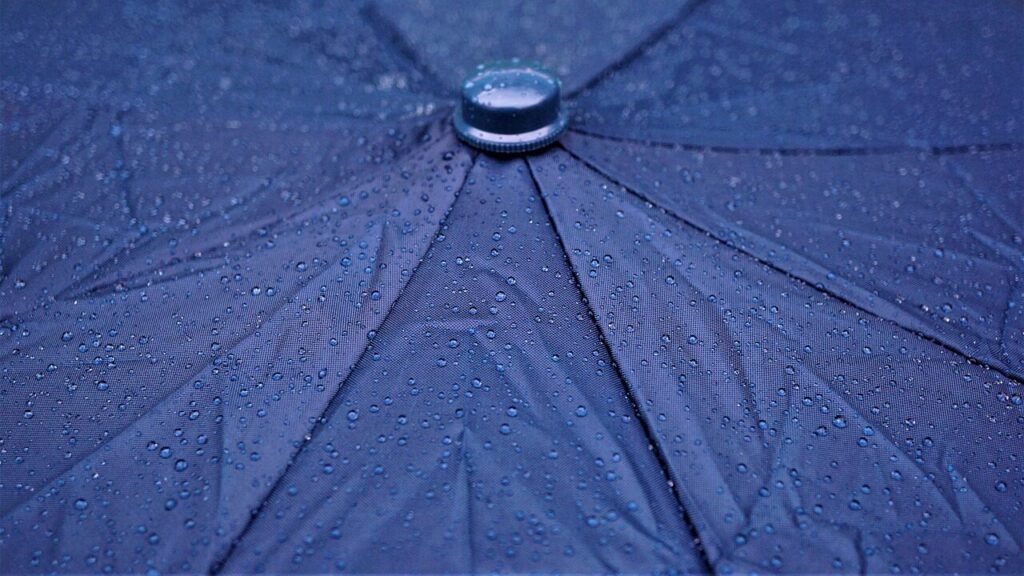
Photo by Mylene2401 on Pixabay Top Features to Look for in the Best 2-Person Tents
When you start comparing models, keep an eye on these details:
1. Fabric Technology
Modern coatings like silicone‑treated nylon or polyester dramatically improve water resistance without adding bulk. Look for a breathable inner layer to reduce condensation on cooler evenings.
2. Groundsheet Design
A bathtub floor—where the tent’s base folds up the sides—offers extra protection against puddles and stream crossings. The best 2-person tents usually feature reinforced corners with extra stitching.
3. Ventilation System
Dual vestibules and mesh panels create a cross‑breeze that keeps you comfortable in summer heat and helps dry out any interior moisture.
4. Pole Architecture
Aluminum poles are sturdy and affordable, while carbon fiber poles shave precious grams for long treks. Many top models now use hub‑connected systems that click together without a separate pole‑carrying bag.
Our Picks for the best 2-person tents in 2026
Below are four product types that consistently rank high among reviewers and field testers. We’ve linked each to a broad Amazon search so you can explore the current lineup.
- Lightweight backpacking tents – Ideal for thru‑hikes where every ounce counts. Look for a packed weight under 4 lb and a freestanding design.
- Waterproof floor tents – Perfect for rainy coastal trips. Prioritize a bathtub floor and sealed seams.
- Instant pop‑up tents – Great for car camping or festivals where speed beats weight. Most can be set up in under a minute.
- Four‑season tents – If you plan to chase snowfields or high‑altitude alpine routes, a sturdier frame and stronger guy‑lines are worth the extra weight.
All four categories appear in recent gear round‑ups, such as the 10 Must‑Have Camping Accessories Under $30 article, which highlights compact stakes and repair kits that pair nicely with any of these shelters.

Photo by congerdesign on Pixabay Setting Up Your Tent Like a Pro (Even in the Rain)
Even the most user‑friendly best 2-person tents can become a headache if you’re unfamiliar with the basics. Follow these steps to stay dry and stress‑free:
- Choose a high‑ground spot away from low‑lying puddles.
- Lay out the footprint first; it protects the floor and makes pole insertion smoother.
- Unfold the poles and attach them to the sleeves or clips—most systems click into place.
- Raise the canopy, then drape the rainfly, securing any buckles or hooks.
- Stake the corners and tension the guy lines to create a taut, wind‑resistant shape.
Our Quick How to Set Up a Tent in the Rain Without Getting Soaked guide walks you through each point with photos, ensuring you won’t be stuck shivering under a soggy shelter.
Budget‑Friendly Options Without Compromise
Beginners often think they must splurge to get quality. Not true. Many best 2-person tents under $150 offer waterproof ratings, durable poles, and easy setup. Pair your new tent with a few affordable accessories—like a compact stove from our Outdoor Products Under $25 roundup—to round out your kit.
Maintenance Tips to Extend the Life of Your best 2-person tents
- Air‑dry the tent fully before packing it away to prevent mold.
- Reapply a silicone spray coating every few seasons for renewed water resistance.
- Store it loosely in a breathable stuff sack rather than a compressed bag.
Troubleshooting Common Leak Issues
Even the most reliable 2‑person tents can develop a leak after a few seasons of use. The good news is that most problems are simple to fix and won’t ruin a trip. Here’s a quick sanity‑check list you can run through before you head out:
- Inspect the floor first. Look for seams that have opened or where the bathtub edge no longer sits flush. A small, dry patch of fabric that suddenly turns wet is usually a seam that needs tightening. Use a sealant spray or a silicone‑based patch kit – a few drops at the seam will re‑create a waterproof barrier.
- Check the rainfly attachment. A loose or bent clip can cause the fly to sag and let water seep in. Make sure each hook or clip is fully seated and that the fly panels overlap correctly. If you find a broken clip, a quick replacement from a local store or a spare clip set can save the day.
- Look at the vestibules. These areas are prone to mildew and leaks if the mesh isn’t fully sealed. Tighten any loose seams and run a bit of silicone along the edges. A small amount of waterproofing spray on the vestibule’s interior fabric can also prevent condensation from collecting and turning into leaks.
- Test after rain. If you’re in a region with sudden showers, set up a small “test” by letting a few drops run down the floor. If the water does not run off, you’ve found the weak spot. Fix it before you roll into your campsite.
- Replace worn parts. Over time, poles, stakes, and guy lines can lose their grip. A quick swap of a frayed pole clip or a cracked stake can restore the tent’s integrity and keep you dry.
Regularly applying a silicone spray to the interior seams and treating the floor with a water‑proofing agent after each use will dramatically reduce the chance of leaks. With a bit of maintenance, your 2‑person tent will stay reliable through countless adventures.
FAQ
What size tent is ideal for two adults?
A floor area of 30–35 sq ft with a peak height of at least 4 ft provides comfortable sleeping space and a little room for gear.
Can I use a 2‑person tent for solo backpacking?
Absolutely—solo hikers often appreciate the extra interior volume for gear and the added warmth of a larger shelter.
Do I need a separate footprint?
Most of the best 2-person tents include a built‑in bathtub floor, but an extra footprint adds protection on rough terrain and extends the tent’s lifespan.
Take the Next Step
Now that you know what to look for, browse the four product categories above, compare user reviews, and pick the best 2-person tents that match your adventure style. Happy camping!