
As an Amazon Associate we earn from qualifying purchases. Amazon links on this page are affiliate links.
Updated for October 2026: a new section on "Trail Runners vs. Hiking Shoes: Which Should Beginners Pick?", 2 corrected sentences added.
Best Trail Shoes for Beginners — A Practical Guide for First-Time Hikers
Choosing the right trail shoes as a beginner can feel overwhelming. You want comfort, grip, and durability, but you don’t know where to start. One wrong choice can lead to blisters, sore feet, and a ruined first hiking experience. In this guide, I’ll walk you through everything you need to know about comfortable trail shoes for beginners, from fit and features to real-world advice and honest product reviews.
Disclosure: This post contains Amazon affiliate links. If you buy through these links, we may earn a commission at no extra cost to you.
Why Best Trail Shoes Matter for Beginners
Hiking seems simple—just walk, right? But beginners often underestimate the strain a trail can put on their feet. Here’s why investing in the right shoes pays off:
-
Prevent injuries: Poor traction or weak support can lead to sprains or twisted ankles.
-
Reduce fatigue: Well-cushioned shoes absorb shock and reduce leg strain.
-
Avoid blisters: Proper fit and breathable materials keep your feet dry and friction-free.
I learned these lessons the hard way on my first 8-mile hike—my cheap sneakers caused painful blisters halfway through. After switching to a proper pair of trail shoes, everything changed.
Key Features to Look for in the Best Trail Shoes for Beginners
Not all shoes labeled “trail” are beginner-friendly. Focus on these essentials:
1. Cushioning & Midsole Support
-
EVA or foam midsoles absorb impact.
-
Look for shoes with moderate stiffness—too soft feels unstable; too stiff hurts your feet.
2. Outsole Grip
-
Rubber lugs provide traction on mud, rocks, and loose dirt.
-
Deeper lugs improve grip, especially in wet conditions.
3. Fit & Sizing
-
Try shoes with socks you’ll actually hike in.
-
Ensure enough toe room (a thumb’s width from toes to the front). The hull should stay secure without rubbing.
4. Breathability & Waterproofing
-
Mesh tops keep feet cool in the summer.
-
Waterproof layers help in rainy or wet trail conditions—but may reduce breathability.
5. Weight
-
Lightweight shoes reduce fatigue on long trails.
-
Avoid ultra-heavy boots unless tackling technical terrain.
Top Comfortable Trail Shoes for Beginners (2026)
Here’s an honest, beginner-focused selection of trail shoes with pros, cons, and real-use guidance:
| Shoe Model | Best Use | Key Feature | Who It’s For | Check Price |
|---|---|---|---|---|
| Salomon X Ultra 4 | All-around hiking | Lightweight, secure fit | Beginners, moderate trails | View options on Amazon |
| Merrell Moab 3 Ventilator | Warm-weather trails | Breathable, cushioned | Beginners prone to sweaty feet | Check price on Amazon |
| Altra Lone Peak 7 | Rugged terrain | Wide toe box, zero drop | Beginners focused on natural foot movement | View options on Amazon |
| Columbia Redmond V2 | Day hikes | Affordable, waterproof | Beginners on light to moderate trails | Check price on Amazon |
How to Choose the Best Trail Shoes for Beginners
When picking your first trail shoes, follow this decision logic:
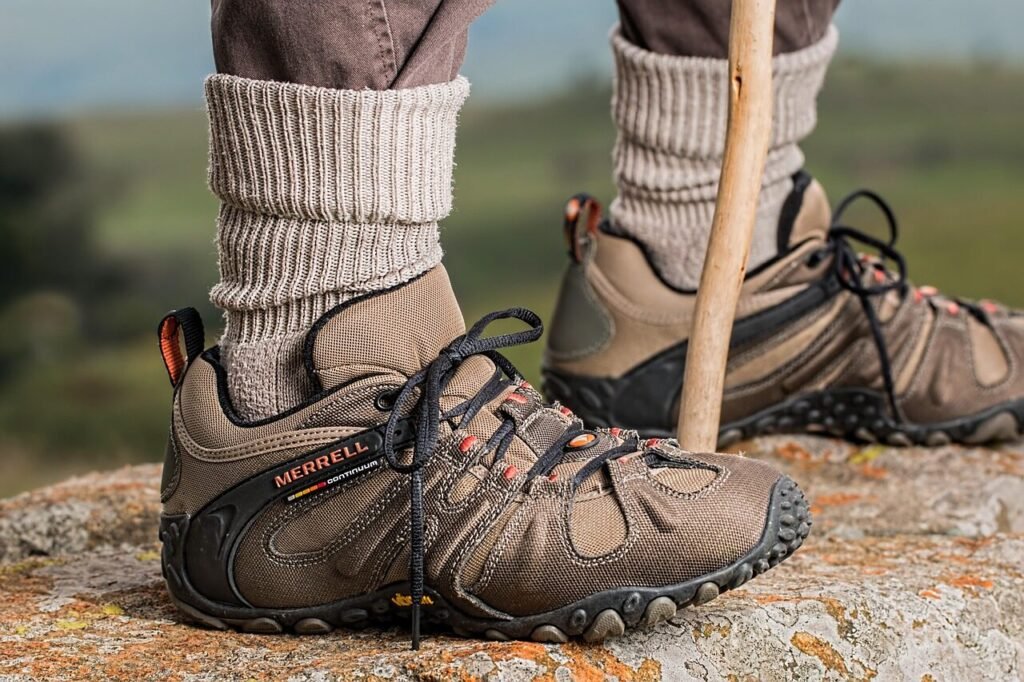
-
Choose this if… You want a beginner-friendly, low-maintenance shoe for most trails.
-
Avoid if… If you plan extreme climbs or technical routes, then a more advanced boot is safer.
Step-by-Step Fitting Tips:
-
Try on shoes in the late afternoon (feet swell during the day).
-
Wear the socks you’ll hike in.
-
Walk on a flat surface and then simulate uphill/downhill steps.
-
Test for heel slippage and toe crowding.
Trail Shoes for Beginners: Mistakes to Avoid
-
Ignoring the break-in period: Even the most comfortable shoes need short trial hikes.
-
Wrong socks: Cotton socks retain moisture; choose wool or synthetic blends.
-
Skipping terrain testing: Shoes may feel fine indoors but fail on rocks or mud.
-
Buying purely for style: A flashy shoe doesn’t guarantee comfort or traction.
Real-World Tips From My Hiking Experience
-
Rotate two pairs if hiking often—it helps shoes last longer and feet recover.
-
Keep shoelaces snug but not tight; it prevents heel lift.
-
Clean shoes after muddy hikes; dirt reduces traction.
-
Replace shoes when the tread wears out, usually every 300–500 miles.
Maintenance & Longevity
-
Brush off debris after each hike.
-
Air-dry naturally; avoid direct heat.
-
Reapply waterproof sprays if needed.
Also Read: Best Hiking Boots for Beginners (2026): Comfort, Grip & Fit Explained
Final Recommendation
For beginners, I recommend starting with Merrell Moab 3 Ventilator for warm climates or Salomon X Ultra 4 for all-around versatility. They balance grip, comfort, and support without overcomplicating your first hiking experience. Remember, the right fit beats brand hype every time.
Trail Runners vs. Hiking Shoes: Which Should Beginners Pick?
When shopping for footwear, beginners often get confused between dedicated hiking shoes and trail running shoes. While both handle dirt paths much better than standard road sneakers, they cater to slightly different needs on the trail.
Trail running shoes prioritize agility, cushion, and breathability. They feature lightweight mesh and flexible midsoles that allow natural foot movement. If you want instant comfort right out of the box and primarily plan to hike well-maintained dirt paths in warm weather, opting for trail running shoes will help prevent fatigue over long distances.
Hiking shoes look like low-cut versions of traditional hiking boots. They incorporate stiffer shanks, reinforced rubber toe caps, and abrasion-resistant materials. This extra structure protects your feet against jagged roots and sharp rocks, making them ideal when carrying a loaded daypack on uneven terrain, though they do feel stiffer and heavier.
If you are torn between lightweight agility and rugged support, exploring our detailed hiking footwear guide will help you evaluate whether boots, low-cut shoes, or trail runners match your local trail conditions best.
FAQ — Best Trail Shoes for Beginners
1. What makes a trail shoe different from a regular sneaker?
Trail shoes have sturdier soles, better grip, and reinforced uppers for uneven terrain.
2. Can I use running shoes for hiking?
For short, flat trails, yes, but long hikes or rocky terrain need trail-specific shoes.
3. How tight should trail shoes be?
Snug in the heel and midfoot, with ~1 thumb-width of room at the toes.
4. Are waterproof shoes necessary?
Not always—choose them if you hike in rainy or muddy conditions.
5. How long does it take to break in trail shoes?
1–2 short hikes usually suffice. Never start a long trek immediately.
6. Can I wear trail shoes for casual use?
Yes, they’re durable and comfortable for walking or urban use.
7. Do the best trail shoes prevent ankle injuries?
They help, but no shoe guarantees full protection—strength and caution matter too.
8. Are expensive shoes worth it for beginners?
Moderate investment is enough; focus on fit and comfort over brand.
9. How do I clean trail shoes?
Remove dirt, rinse lightly, and air dry—avoid machines or direct heat.
10. Should I use insoles?
If extra cushioning or arch support is needed, removable insoles work well.
11. Can I wear trail shoes in winter?
Add warm socks and check for waterproof models; some are suited for light snow.
12. How often should I replace them?
Typically, such replacements should be done every 300–500 miles or when the treads wear down.
13. What socks work best?
Synthetic or wool blends wick moisture and prevent blisters.
14. Are low-cut or high-cut shoes better?
Low-cut is lighter and better for beginners; high-cut offers more ankle support for rough trails.
15. Can trail shoes handle backpacking?
Yes, light to moderate packs are fine, but heavy multi-day trips may need sturdier boots.
Ready to choose? Use the picks above to match your budget and conditions, then double-check the latest price and reviews.
Related gear check
- Best Trekking Poles for Stability & Comfort Guide 2026!
- Best Backpacks for Day Hiking (2026 Guide) Solo Hiking: Ultimate Beginner Guide 2026
- Best Hiking Boots for Porcupine Mountains: Beginner Guide 2026
- Best Trekking Poles for Laugavegur Hiking Guide 2026
- Best Hydration Gear for Overnight Hikes: Beginner Guide 2026
🔗 Related Articles
- Best Hiking Shoes for Ozark Trails — Comfort, Grip & Trail-Proven Fit Hiking Gear
- Best Hiking Boots for Teton National Park Trails: Expert Hiking Gear
- 7 Hydration Mistakes Hikers Make on Long Trails First Aid
- Easy Survival Skills Hiking: 10 Survival Skills Every Hiker Should Know Before Going Off-Trail Buying Guides
- Best Waterproof Trail Shoes 2026: 10 Picks That Won’t Fail Gear Reviews
- Best Hiking Shoes for Flat Feet on Rocky Trails: 12 Picks for 2026 Boots & Shoes