
Last updated:
As an Amazon Associate I earn from qualifying purchases.
Why Action Camera Accessories Matter for Campers
When you’re out in the backcountry, the difference between a blurry, half‑hearted clip and a cinematic memory often boils down to the gear you’ve got on hand. An action camera is already built to survive drops, dust, and water, but the right accessories unlock its full potential. From keeping your device powered through a three‑day trek to capturing steady panoramas while you set up camp, each add‑on solves a real‑world problem you’ll face on the trail.
15 Must‑Have Action Camera Accessories for the Great Outdoors
1. Waterproof Housing
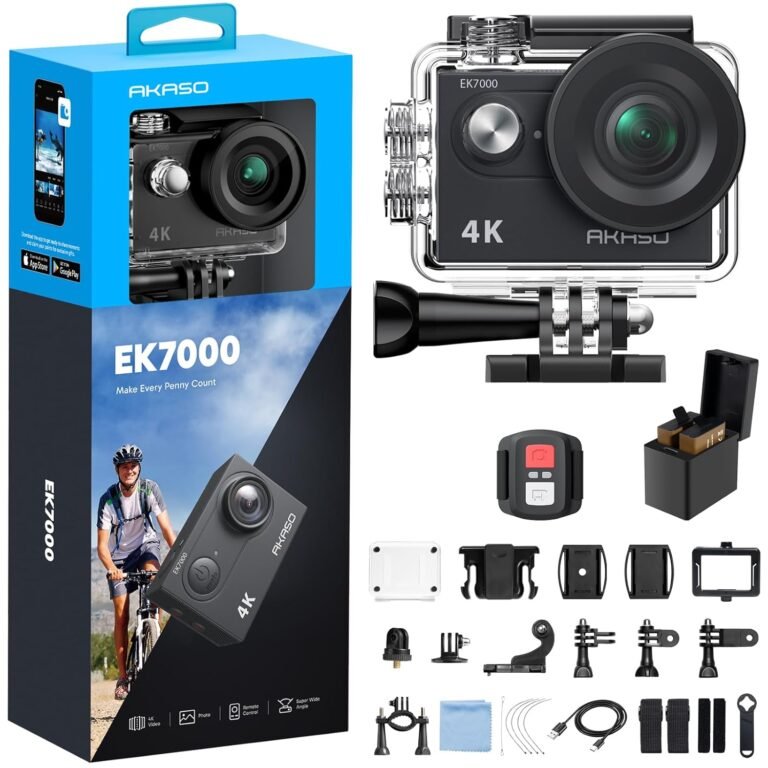
Even the toughest action cameras can benefit from an extra layer of protection when you’re kayaking, caught in a rainstorm, or simply washing dishes at the campsite. A dedicated waterproof housing seals out moisture and offers a clear viewfinder port, letting you record underwater footage without worrying about foggy lenses or short circuits.
2. Mount Kit
Versatility is the name of the game. A robust mount kit typically includes a helmet mount, a chest strap, a suction cup, and a bike mount. Swapping between these options takes seconds, so you can capture a sunrise from your head, a river run from the handlebars, and a night‑time hike from your chest without missing a beat.
3. Extra Batteries
Cold weather loves to drain batteries faster than a summer sun. Carry at least two extra batteries in an insulated pouch. Rotate them when one reaches the low‑power warning—this simple habit can add 4‑6 hours of shooting time, enough for a full weekend of adventures.
4. Portable Solar Charger
When power outlets are a distant memory, a portable solar charger becomes a lifesaver. Look for a fold‑out panel with at least 5 watts of output and a built-in USB port. Even on a cloudy day, you’ll generate enough juice to top off a battery between hikes.
5. ND Filters
Bright daylight can make your footage look washed out. Neutral density (ND) filters act like sunglasses for your lens, reducing the amount of light that reaches the sensor. A set of interchangeable ND filters (e.g., 0.6, 1.2, 1.8) lets you keep a shallow depth of field and smooth motion even at noon.
6. Mini Tripod
A lightweight, 3‑legged mini tripod is perfect for setting up time‑lapse shots of the stars or a stable wide‑angle view of the campsite. Look for one that folds into a pocket‑size rectangle and includes a ball head for quick angle adjustments.
7. Wide‑Angle Lens Adapter
While most action cameras already have a wide field of view, an additional lens adapter can push the perspective even further. A 170° or 180° adapter captures more of the surrounding scenery—ideal for documenting sprawling landscapes or tight trail sections.
8. Floating Hand Grip
If you plan to film from a canoe, kayak, or even a calm lake, a floating hand grip keeps your camera from sinking. The grip often features a detachable wrist strap and a small buoyancy chamber, so a quick splash won’t turn your device into a lost treasure.
9. Protective Screen Cover
Scratches from tent pegs, pine needles, or accidental drops are common. A thin, anti‑scratch screen cover preserves the touch interface without sacrificing clarity. It’s cheap, easy to replace, and can be swapped out in a minute.
10. Compact Microphone
Wind, crackling fire, and wildlife sounds make for immersive audio, but most built‑in mics pick up too much wind noise. A compact shotgun or omnidirectional microphone with a windscreen dramatically improves sound quality, turning a simple campfire video into a storytelling masterpiece.
11. Cable Management Sleeve
When you’re juggling a power cable, a microphone line, and a remote control, a zip‑around cable sleeve keeps everything tidy and prevents snagging on branches. It also protects cables from moisture and abrasion.
12. Remote Control
Hands‑free shooting is a game changer when you’re climbing, paddling, or simply want to stay out of frame. A small Bluetooth remote lets you start and stop recording, toggle modes, or take photos without touching the camera.
13. Dry Bag
Storing accessories in a dry bag safeguards them from unexpected rain or river splashes. Choose a roll‑top bag with a watertight seal; you can keep batteries, lenses, and cables dry while still accessing them quickly.
14. Light‑Weight Carrying Case
A rugged, molded case with foam inserts provides organized storage for all your accessories. Look for a case with a shoulder strap and external pockets for easy access to the most used items.
15. Quick‑Release Carabiner
Mounting your camera to a backpack strap, a tree branch, or a climbing harness is effortless with a sturdy quick‑release carabiner. Opt for one with a locking mechanism to avoid accidental drops during rugged moves.
How to Choose the Right Accessories for Your Camping Style
Not every camper needs every item on the list. Here’s a quick decision‑matrix to help you prioritize:
- Backpack hikers: Focus on extra batteries, a compact tripod, and a dry bag. Weight matters, so pick the lightest versions.
- River rafters/kayakers: Waterproof housing, floating hand grip, and a secure mount kit are essential.
- Night‑sky enthusiasts: Mini tripod, ND filters, and a portable solar charger keep you powered for long exposure shots.
- Family campers: A wide‑angle lens adapter, microphone, and quick‑release carabiner make it easy to capture group activities without fuss.
Putting It All Together: A Sample Packing List
Below is a sample checklist that balances coverage and weight for a typical three‑day wilderness trip:
- Action camera with waterproof housing
- Mount kit (helmet, suction, bike)
- Two extra batteries in insulated pouch
- Portable solar charger (solar charger)
- ND filter set (0.6, 1.2, 1.8)
- Mini tripod
- Wide‑angle lens adapter
- Floating hand grip
- Screen protectors
- Compact microphone with windscreen
- Cable management sleeve
- Bluetooth remote
- Dry bag (roll‑top)
- Carry case with foam inserts
- Quick‑release carabiner
Adjust the list based on your itinerary, but having at least 8‑10 of these items will keep you ready for almost any scenario.
Maintenance Tips to Extend the Life of Your Gear
Great accessories are only as good as the care you give them. Follow these simple habits:
- Rinse with fresh water after each water‑based activity, then air‑dry fully before packing.
- Store batteries at moderate temperatures (15‑25 °C) to preserve capacity.
- Check seals on waterproof housings before each use; a small piece of tape can reveal hidden leaks.
- Lubricate moving parts on mounts and carabiners with a light silicone spray every few months.
- Inspect lenses and filters for scratches; replace any that impede image clarity.
FAQ
Do I really need a waterproof housing if my action camera is already water‑resistant?
Water‑resistance protects against light rain and splashes, but a dedicated housing guarantees safety for sub‑mersion, high‑impact water sports, and extended exposure to moisture.
How many extra batteries should I bring for a week‑long trek?
Plan on one spare battery per day of shooting, plus an additional one for emergencies. Cold weather may require even more, so a portable solar charger can offset this need.
Can I use a regular tripod with an action camera?
Yes, as long as the tripod’s screw size matches the camera’s mounting thread (usually 1/4‑20). Mini tripods are lighter, but a standard tripod offers greater stability for long exposure shots.
Take the Next Step
Ready to upgrade your campsite storytelling? Start by picking the three accessories that solve your biggest pain point—whether it’s power, protection, or perspective. Once you have those, expand your kit gradually. The right tools turn a good hike into a great adventure film you’ll want to watch again and again.
Related: Best Action Camera Deals: 7 Costly Mistakes to Avoid