As an Amazon Associate I earn from qualifying purchases.
Updated for October 2026: a new section on "How to Field-Test Popular Gear at Home Before Hitting the Trail", 1 corrected sentence added.
Honest Reviews of Popular Outdoor Products
Real-world opinions on gear people actually buy (and why some regret it)
If you’ve ever searched for outdoor gear online, you already know the problem. Everything is “best-rated,” “top-selling,” and “editor’s choice.” Somehow, every product is perfect — until you buy it, take it outside, and realize… yeah, maybe not.
That’s why this guide exists.
These honest reviews of popular outdoor products aren’t written to impress brands or chase hype. They’re written for regular people who camp on weekends, hike local trails, overpack at first, and slowly learn what actually matters. I’ve owned some of these products. I’ve borrowed others. A few I returned. Some I still use.
This isn’t about finding the best gear. It’s about finding the right gear for how you actually go outside.
Why “Popular” Outdoor Gear Often Disappoints
Popularity usually means one of three things:
- It’s cheap enough to impulse buy.
- It looks great in photos
- It went viral on YouTube or Amazon
None of those guarantee long-term usefulness.
The mistake most beginners make is assuming popularity equals suitability. It doesn’t. The goal of these honest reviews of popular outdoor products is to separate the following:
- Gear that’s popular and practical
- Gear that’s fine for casual use
- Gear you should probably skip unless you know why you want it
Honest Reviews of Popular Outdoor Products (By Category)
Let’s break this down the way people actually shop—by use case.
Popular Camping Tents: What You’re Really Buying
Coleman Sundome Tent
Use case: Casual weekend camping, car camping, festivals
What it does well:
- Very easy setup (true 10–15 minutes)
- Decent ventilation for summer
- Affordable and widely available
Honest limitation:
- Not great in heavy rain or strong wind
- Poles feel flimsy over time
Who it’s for:
Beginners who camp a few times a year and want something simple.
Who should skip it:
Anyone planning multi-day trips or unpredictable weather.
CORE Instant Cabin Tent
Use case: Family camping, large groups
What it does well:
- Insanely fast setup
- Tons of headroom
- Comfortable for kids and casual trips
Honest limitation:
- Huge packed size
- Heavy — not portable beyond car camping
Who it’s for:
Families who prioritize comfort over compactness.
Who should skip it:
Solo campers or anyone with limited trunk space.
Also Read: Best 2-Person Tents for USA Camping 2026 – Smart Beginner Guide
Popular Sleeping Bags: Comfort vs Reality
Teton Sports Celsius XXL
Use case: Cold-weather car camping
What it does well:
- Warm and roomy
- Durable fabric
- Good value for winter beginners
Honest limitation:
- Bulky and heavy
- Not backpacking-friendly
Who it’s for:
Cold sleepers who don’t hike far from the car.
Who should skip it:
Ultralight or minimalist campers.
Also Read: Best Sleeping Bags for Cold vs Warm Weather – Smart Guide 2026
MalloMe Sleeping Bag
Use case: Summer camping, kids, travel
What it does well:
- Lightweight
- Packs small
- Budget-friendly
Honest limitation:
- The temperature rating is optimistic
- Thin insulation
Who it’s for:
Warm-weather campers and beginners testing the waters.
Who should skip it:
Anyone camping below 50°F.
Popular Camping Chairs: Comfort Isn’t Guaranteed
Coleman Portable Camping Quad Chair
Use case: Campsites, tailgating, beach
What it does well:
- Comfortable seat height
- Cup holder actually works
- Affordable
Honest limitation:
- Bulky when folded
- Not great on uneven ground
Who it’s for:
Car campers who value comfort.
Who should skip it:
Backpackers or minimalists.
Also Read: Best Camping Chairs and Tables 2026 – Smart Beginner Guide
Helinox Chair One
Use case: Lightweight camping, backpacking
What it does well:
- Extremely light
- Packs small
- Surprisingly sturdy
Honest limitation:
- Expensive
- Low seat height
Who it’s for:
Hikers who want comfort without weight.
Who should skip it:
Anyone who hates sitting low.
Popular Hiking Backpacks: Fit Matters More Than Brand
Osprey Atmos AG 65
Use case: Multi-day backpacking
What it does well:
- Excellent weight distribution
- Breathable suspension
- High-quality build
Honest limitation:
- Expensive
- Overkill for short trips
Who it’s for:
Serious backpackers carrying heavier loads.
Who should skip it:
Day hikers or beginners unsure about long trips.
TETON Sports Explorer 4000
Use case: Budget backpacking
What it does well:
- Affordable
- Tons of storage
- Durable enough for beginners
Honest limitation:
- Heavier than premium packs
- Fit adjustments take patience
Who it’s for:
New backpackers testing longer trips.
Who should skip it:
Ultralight enthusiasts.
Popular Camping Stoves: Simple Usually Wins
Coleman Classic Propane Stove
Use case: Car camping cooking
What it does well:
- Reliable ignition
- Strong flame control
- Easy to use
Honest limitation:
- Bulky
- Requires propane canisters
Who it’s for:
Campers who cook real meals.
Who should skip it:
Minimalist or solo hikers.
Jetboil Flash
Use case: Fast boiling, backpacking
What it does well:
- Boils water insanely fast
- Compact system
- Fuel-efficient
Honest limitation:
- Limited cooking versatility
- Expensive for boiling-only users
Who it’s for:
Backpackers who prioritize speed.
Who should skip it:
Camp cooks who want flexibility.
Comparison Table: Popular Gear at a Glance
| Category | Best for Beginners | Best Overall | Skip If |
|---|---|---|---|
| Tent | Coleman Sundome | CORE Cabin | You hike far |
| Sleeping Bag | MalloMe | Teton Celsius | You backpack |
| Chair | Coleman Quad | Helinox Chair One | You hate low seats |
| Backpack | TETON Explorer | Osprey Atmos | You day hike |
| Stove | Coleman Classic | Jetboil Flash | You cook full meals |
What Most People Miss When Reading Reviews
Here’s the truth most review sites won’t say:
- Most gear is “good enough” for casual use
- The problems show up after trip #3 or #4
- Comfort issues don’t appear in day-one testing
- Weather exposes weaknesses fast
That’s why honest reviews of popular outdoor products matter more than star ratings.
A Quick Personal Story
On my second camping trip ever, I bought a cheap sleeping bag with glowing reviews. First night? Fine. Second night? Cold. Third night? Miserable.
Nothing was technically “wrong” with it. It just wasn’t right for me.
That mistake taught me that star ratings mean very little if a piece of gear does not fit your specific environment. taught me something important: gear doesn’t fail; mismatched expectations do.
How to Choose the Right Product (Without Overthinking)
Choose this if:
- You camp 1–3 times a year
- You drive to campsites
- You value simplicity
Spend more if:
- You hike long distances
- You camp in bad weather
- Comfort affects your sleep
Skip upgrades if:
- You’re still figuring out your style
- You haven’t worn out beginner gear yet
Ethical CTA
If a product solves a real problem for you, it’s worth considering. If not, save your money. The goal isn’t owning more gear — it’s enjoying the outdoors without friction.
How to Field-Test Popular Gear at Home Before Hitting the Trail
The biggest trap campers fall into is unboxing a piece of equipment for the first time at the campsite as dusk approaches. No matter how many positive ratings an item has earned online, you should always run a controlled test at home before packing it into your vehicle or backpack.

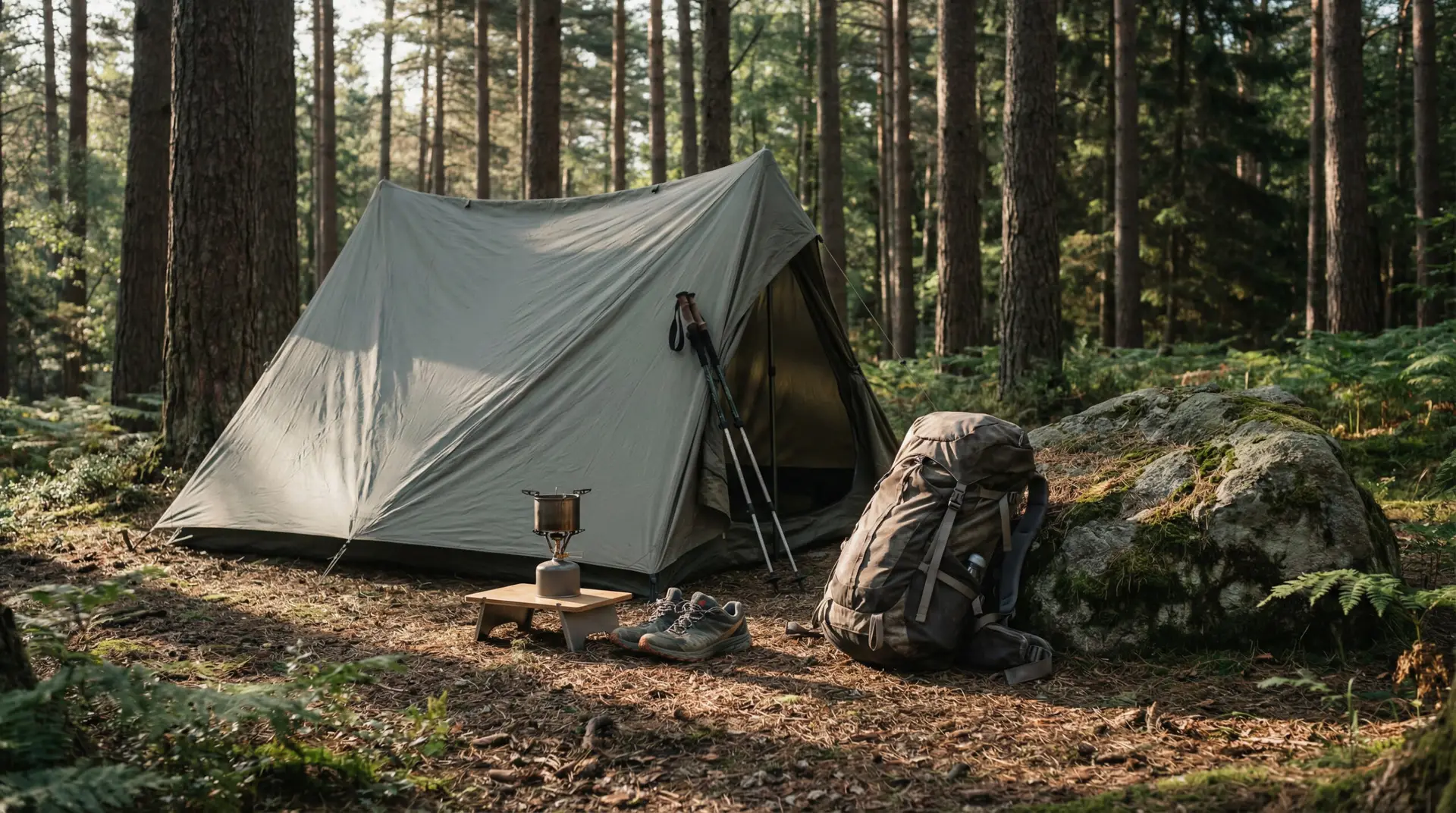
Start with a simple backyard pitch or living room setup. Pitch your tent without relying on video tutorials to verify whether the pole sleeves snag and if the stakes hold firmly. Inflate your sleeping pad and lie down on it for thirty minutes to check for micro-leaks, and test your camping stove with cold water to get a realistic sense of boil times and fuel consumption.
If you are exploring honest outdoor gear reviews to choose reliable options, remember that personal ergonomics play a decisive role. Load a hiking backpack with actual trip weight and walk around the neighborhood for an hour to feel for pressure points on your hips and shoulders. If an item fails basic comfort or setup checks on manicured grass, it will not hold up when heavy rain or fatigue strikes on the trail.
Conclusion
Good gear doesn’t have to be expensive, trendy, or perfect. It just has to work for how you actually go outside.
These honest reviews of popular outdoor products are meant to help you avoid buyer’s remorse, spot overhyped features, and build a setup that feels reliable — not flashy.
Start simple. Learn fast. Upgrade slowly.
That’s how most experienced campers end up happy anyway.
7. FAQs (Long-Tail)
1. Are popular outdoor products actually reliable?
Some are, some aren’t. Popularity often reflects price and marketing more than durability.
2. Should beginners buy expensive outdoor gear?
Not at first. Entry-level gear teaches you what you actually need.
3. Do Amazon reviews tell the full story?
Rarely. Look for patterns in negative reviews instead.
4. How many camping trips before upgrading gear?
Usually after 3–5 trips, when problems repeat.
5. Is lightweight gear always better?
Only if you hike long distances. Comfort often matters more.
6. Can budget gear last long-term?
Yes, if used within its limits.
7. What outdoor product fails most often?
Sleeping bags with unrealistic temperature ratings.
8. Are combo gear sets worth buying?
Sometimes, but individual items usually perform better.
9. How important is brand reputation?
Less than fit, materials, and real-world use.
10. Should I buy gear online or in-store?
Online for price, in-store for fit-sensitive items.
11. What’s the most overhyped camping item?
Ultra-cheap tents marketed as “all-season.”
12. How do I avoid fake reviews?
Read 2–3-star reviews carefully.
13. Is premium gear only for experts?
No, but beginners may not benefit immediately.
14. How often should outdoor gear be replaced?
Only when it no longer meets your needs or fails.
15. What’s the smartest first outdoor purchase?
A comfortable sleeping system—sleep affects everything.
🔗 Related Articles
- Honest Outdoor Gear Reviews: What’s Worth Buying & What to Skip: 9 Picks for 2026 Camping Deals
- Honest Camping Products Usa: Camping Products Going Viral in the USA: 9 Tips for 2026 Camping Deals
- Honest Outdoor Products Worth the Hype: 9 Tips for 2026 Buying Guides
- Best Action Cameras for Sierra Hiking Adventures: Reviews Action Cameras
- Best Camping Stoves for Windy Weather: 10 Picks for 2026 Camping Deals
- 10 Best Camping Accessories Under $30 You Actually Need Accessories