Updated for October 2026: a new section on "The Role of Sleeping Pads: Why R-Value Completes Your Bag", 4 corrected sentences added.
As an Amazon Associate I earn from qualifying purchases.
When it comes to the best sleeping bags for cold weather, the difference between a cozy night and a freezing disaster often hinges on a few key choices.
How to Pick the Best Sleeping Bags for Cold Weather
First, decode the temperature rating. Most manufacturers follow the EN/ISO system, which lists three numbers: comfort (the temperature a standard sleeper feels comfortable), lower limit (still tolerable for the average camper), and extreme (survival zone). If you plan to camp where nights dip to 20°F (‑6°C), aim for a bag whose comfort rating sits at least 10‑15°F warmer than that.
Next, consider insulation type. Down offers the best warmth‑to‑weight ratio, making it a favorite for high‑altitude or backcountry trips. However, down’s performance collapses when it gets damp. Synthetic fibers, like polyester fleece, retain heat even when moist and are generally less expensive. For unpredictable weather, a synthetic bag or a hybrid (down core with synthetic side panels) often provides the most versatile protection.
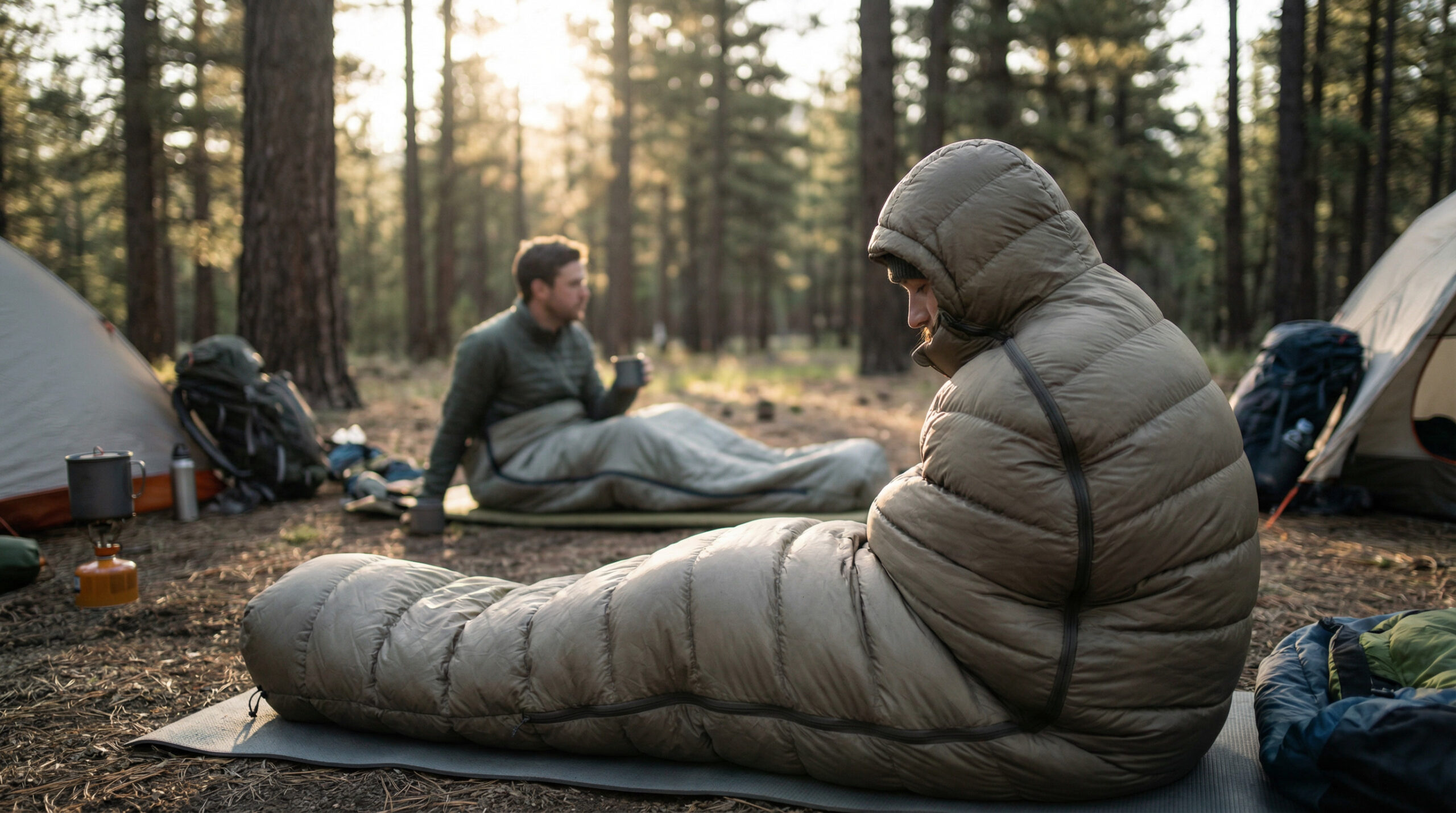
Fit matters, too. A snug mummy‑shaped cut minimizes dead air space, while a longer “extra‑long” version accommodates taller hikers without sacrificing warmth. If you’re sharing a bag, a two‑person option can be a lifesaver, but remember that the weight and pack size increase dramatically.

Choosing the Best Sleeping Bags for Warm Weather
When temperatures stay above 55°F (13°C), you’ll want a bag that breathes more than it insulates. Look for a low temperature rating (often 30‑40°F) and a lightweight construction—typically a lightweight sleeping bag with a simple shell and minimal lining. Fabrics such as nylon or polyester with a DWR (durable water repellent) finish keep dew off the exterior, while a mesh lining promotes airflow.
Seasonal bags often come with a “summer” tag. They’re thinner, sometimes with a quilt‑style design that can be used as a blanket. If you’re backpacking in the desert or tropical rainforest, a summer sleeping bag paired with a breathable liner provides a comfortable buffer against both heat and occasional night‑time chills.
Layering and Accessories to Extend Your Bag’s Range
A well‑chosen liner can add 10‑15°F to a bag’s effective rating. Silk or fleece liners are easy to pack and give you that extra warmth without the bulk of a new bag. Pair a cold‑weather bag with a down sleeping bag liner for a lightweight, high‑performance boost.
Don’t overlook the draft collar and hood. Tucking the collar snugly around your neck and pulling the hood tight eliminates cold air infiltration. When packing your gear, use a compression sack to save pack space, but always shake the bag out upon arrival so the loft fully recovers before bed.
For those who love campfire evenings, a small portable camping heater can be a game‑changer, but always follow safety guidelines and keep it away from flammable materials.

Putting It All Together: A Practical Buying Checklist
- Determine the lowest night temperature you expect.
- Match that to a bag with a comfort rating 10‑15°F higher.
- Choose insulation: down for light weight, synthetic for wet conditions.
- Select shape and length that fits your body type.
- Add a liner, hood, and draft collar for extra control.
- Consider accessories like compression sacks or portable heaters.
Following this checklist will steer you toward the best sleeping bags for cold weather without falling for marketing hype. Remember, the right bag isn’t just about the number on the tag—it’s about how the bag works with your body, the climate, and the gear you already carry.
The Role of Sleeping Pads: Why R-Value Completes Your Bag
Even the highest-rated sleeping bag cannot keep you warm on its own. When you lie inside your bag, your body weight compresses the insulation directly beneath you. In both down and synthetic fills, crushed loft loses its ability to trap dead air space, allowing cold ground temperatures to sap your body warmth through conduction. That is why pairing the best sleeping bags with an insulated sleeping pad is vital for trail safety and overnight comfort.
Sleeping pads are rated by their R-value, a standard measurement of resistance to conductive heat loss. For warm-weather and summer camping, an uninsulated pad with an R-value between 1.0 and 2.0 provides adequate cushion and separation from the warm earth. However, once nighttime temperatures drop below 50°F (10°C), you should transition to a pad with an R-value of 3.0 or higher. For true freezing conditions where you rely on technical mummy sleeping bags over snow or frozen soil, choose a pad rated at 4.5 or greater, or stack a closed-cell foam pad underneath an inflatable mattress to keep ground chill from penetrating your sleep system.
FAQ
How do I interpret a sleeping bag’s temperature rating? Look at the EN/ISO rating—comfort, lower limit, and extreme—then match it to the lowest night temperature you expect.
Can I use a cold‑weather bag in summer without overheating? Yes, you can unzip the bag fully to drape it like a quilt, or open a two-way zipper at the footbox for cooling airflow.
What’s the difference between down and synthetic insulation for cold climates? Down is lighter and more compressible but loses loft when wet; synthetic stays warm even when damp and is easier to care for.
Ready to upgrade your campsite comfort? Start by browsing down sleeping bags, synthetic insulated sleeping bags, and a few smart accessories. Happy sleeping under the stars!