Best Sleeping Bags for Cold vs Warm Weather
Choosing between the best sleeping bags for cold vs. warm weather sounds simple—until you wake up at 3 a.m. either freezing or sweating through your base layer. I’ve been on both sides of that mistake. Once in Colorado, I underestimated the cold. Another time in Texas, I packed a winter bag and barely slept because it felt like a sauna.
This guide breaks it down clearly, honestly, and without marketing fluff—so you pick the right sleeping bag the first time.
Cold vs Warm Weather Sleeping Bags: What Actually Matters
Before brands, prices, or hype, the real difference comes down to insulation, temperature rating, and airflow.
The quick truth
Cold weather bags trap heat aggressively
Warm-weather bags release heat on purpose
Using the wrong one ruins sleep fast
That’s why understanding the best sleeping bags for cold vs. warm weather is more important than chasing “top-rated” labels.
Best Sleeping Bags for Cold Weather Camping
Cold-weather sleeping bags are built for heat retention, not comfort flexibility.
What makes a bag good for cold weather?
Temperature rating: 0°F to 30°F
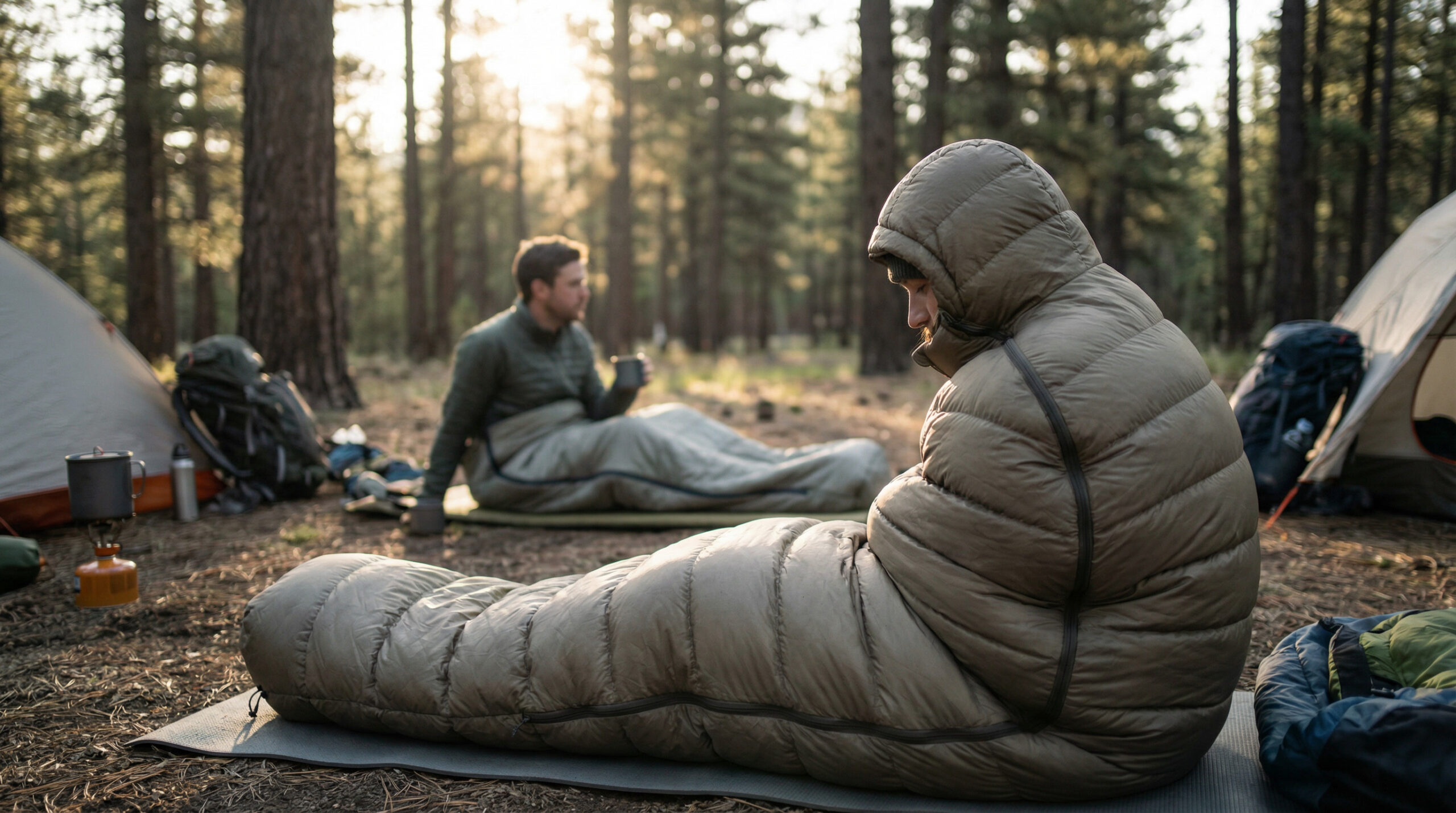
Mummy shape (less empty air)
Insulated hood and draft collar
Thicker fill (down or synthetic)
When you actually need one
Fall or winter camping
Mountain trips
Windy deserts
Early spring shoulder seasons
Solid cold-weather picks (trust-first)
TETON Sports Celsius XXL Sleeping Bag
Use case: Cold car camping, beginners, bigger frames
Limitation: Heavy and bulky
Who it’s for: Casual campers who value warmth over pack size
Who should skip: Backpackers counting ounces
👉 Check price on Amazon
Marmot Trestles 15
Use case: Cold-weather backpacking
Limitation: Synthetic insulation packs larger than down
Who it’s for: Hikers who camp below freezing
Who should skip: Hot sleepers
👉 View options on Amazon
Cold sleepers almost always underestimate how cold nights get. That’s where the best sleeping bags for cold vs. warm weather really show their value.
Also Read: Must-have camping gadgets 2026
Best Sleeping Bags for Warm Weather Camping
Warm weather sleeping bags are all about breathability and weight savings.
What defines a warm weather bag?
Temperature rating: 35°F to 60°F
Rectangular or semi-rectangular shape
Lightweight insulation
Full-length zippers for venting
Best situations for warm weather bags
Summer camping
Humid regions
Beach or desert trips
Indoor or RV use
Reliable warm-weather options
Coleman Brazos 40°F Sleeping Bag
Use case: Summer camping, festivals
Limitation: Not compact
Who it’s for: Budget campers
Who should skip: Cold sleepers
👉 Check price on Amazon
REI Co-op Trailbreak 30
Use case: Warm nights with surprise chills
Limitation: Not ultralight
Who it’s for: Beginner backpackers
Who should skip: Extreme heat campers
👉 View options on Amazon
Warm-weather bags shine when airflow matters more than insulation—another core difference in the best sleeping bags for cold vs. warm-weather decisions.
Cold vs Warm Weather Sleeping Bags: Side-by-Side
| Feature | Cold Weather Bag | Warm Weather Bag |
|---|---|---|
| Temp Rating | 0–30°F | 35–60°F |
| Shape | Mummy | Rectangular |
| Weight | Heavier | Lightweight |
| Breathability | Low | High |
| Best Use | Winter, mountains | Summer, humid zones |
How to Choose Between Cold vs Warm Weather Sleeping Bags
Use this simple logic:
Choose a cold weather bag if:
Temps drop below 40°F
You sleep cold
Wind exposure is high
Choose a warm weather bag if:
Temps stay above 50°F
You camp in summer only
Weight and airflow matter
This decision framework alone solves most confusion around best sleeping bags for cold vs. warm weather.
What Most People Miss (Costly Mistakes)
Temperature ratings assume ideal conditions
Sleeping pads matter as much as the bag
Wearing cotton at night kills warmth
Zipping up fully traps moisture in warm climates
I once blamed a sleeping bag for being “bad.” Turns out, I skipped the pad. Rookie move—but common.
Also Read: Best Camping Chairs and Tables 2026
A Quick Personal Note
The first time I truly slept well outdoors wasn’t because of a premium brand—it was because I finally matched the bag to the conditions. Once you understand the best sleeping bags for cold vs. warm weather, camping becomes enjoyable instead of survivable.
Conclusion: Cold vs Warm Weather Bags Aren’t Optional
There’s no “one perfect bag” for all conditions. The smartest campers choose intentionally. Understanding the best sleeping bags for cold vs. warm weather means warmer nights, better sleep, and trips you actually want to repeat.
Choose comfort. Choose smart.
FAQs: Best Sleeping Bags for Cold vs Warm Weather
What temperature rating is best for cold weather sleeping bags?
Cold weather bags should be rated between 0°F and 30°F.Can I use a cold weather bag in the summer?
Yes, but it may cause overheating and poor sleep.Are warm weather sleeping bags safe in spring?
Only if nights stay above 45–50°F.What’s better: down or synthetic for cold weather?
Down is lighter; synthetics handle moisture better.Do warm weather bags need insulation?
Yes, but minimal insulation for breathability.Is a mummy bag always warmer?
Yes, due to reduced air space.Can I layer blankets instead of buying a cold bag?
Not reliably in really cold conditions.Are temperature ratings accurate?
They’re estimates, not guarantees.What sleeping pad works best with cold bags?
High R-value insulated pads.Do zippered vents matter in warm-weather bags?
Absolutely—they control airflow.Should beginners buy cold- or warm-weather bags?
Make your purchase based on the coldest night you expect.Can one bag work for all seasons?
Three-season bags are a compromise, not perfect.Are heavier bags always warmer?
Not always—insulation quality matters.How long do sleeping bags last?
5–10 years with proper care.Is spending more always worth it?
Only if it matches your actual use.
🔗 Related Articles
- Top Cold Weather Sleeping Bags for Winter Camping | Proven Sleeping Bags
- Best Sleeping Bags for Cold vs Warm Weather 2026 Camping
- Best Ultralight Sleeping Bags for Backpacking: 7 Things to Avoid Gear Reviews
- Best Rectangular Sleeping Bags for Comfort: 12 Picks for 2026 Camping Deals
- Best Mummy Sleeping Bags for Cold Weather: 15 Picks for 2026 Buying Guides
- Action Camera Protection: How to Protect Your Action Camera in Rain, Mud & Extreme Cold: 7 Mistakes to Avoid in 2026 Buying Guides