As an Amazon Associate I earn from qualifying purchases.
Survival Gear Mistakes: Why They Matter
Picture this: you’re miles from the trailhead, weather turns nasty, and your fire starter won’t spark. That moment often traces back to a few avoidable survival gear mistakes. Many outdoor enthusiasts focus on buying the latest gadgets but overlook the basics of preparation, leading to frustration or danger when it counts.
Understanding these pitfalls isn’t just about saving money; it’s about building confidence. In the next sections we’ll walk through seven common errors, explain why they happen, and give you clear steps to fix each one. By the end, you’ll know how to choose, test, and maintain your kit so you’re ready for whatever the wild throws at you.
1. Skipping the Pre‑Trip Gear Test
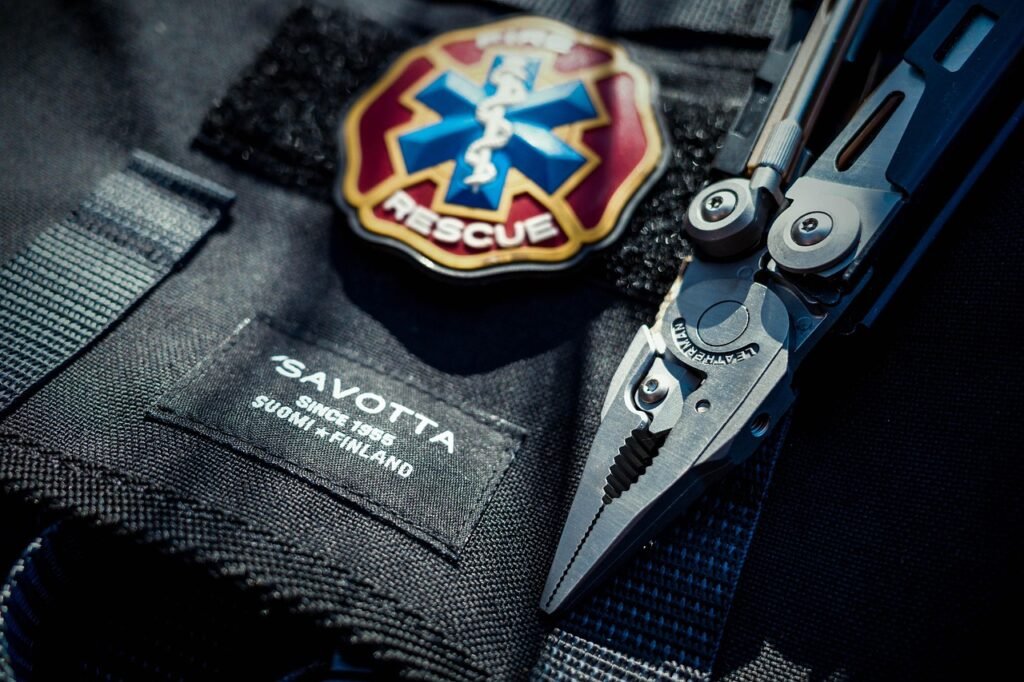
One of the most frequent survival gear mistakes is assuming new equipment works straight out of the box. You buy a shiny multi-tool or a high‑tech water filter, toss it in your pack, and hope for the best.
Why it’s a problem: Manufacturing defects, missing parts, or unfamiliar operation can leave you stranded.
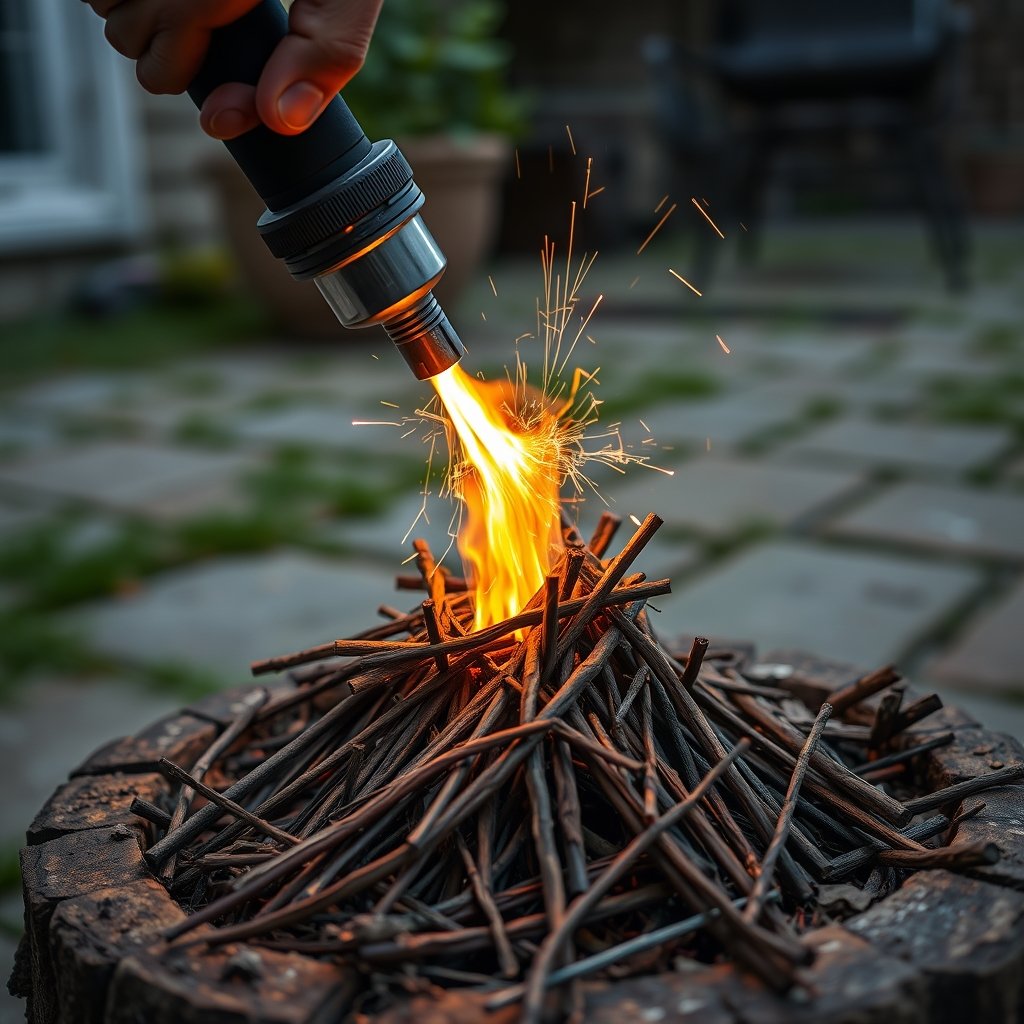
How to avoid: Set up a backyard or living‑room test. Try igniting your fire starter, purify a liter of water with your water filter, and practice opening and closing your multi-tool. Do this at least once before each major trip.
2. Overpacking Unnecessary Items
It’s tempting to bring “just in case” gear—extra clothing, bulky tools, or duplicate items. The result is a heavy pack that slows you down and increases fatigue.
Why it’s a problem: Extra weight reduces mobility, makes you more prone to injury, and can cause you to abandon essential gear when you’re tired.
How to avoid: Adopt a lightweight mindset. Focus on multi‑use pieces (e.g., a tarp that doubles as a ground sheet and shelter) and eliminate duplicates. Checklists from resources like Best Lightweight Camping Gear in 2026 can help you strip down to the essentials.
3. Ignoring Weather‑Specific Gear
Many hikers pack the same kit for summer and winter, assuming a generic setup will suffice.
Why it’s a problem: Inadequate insulation or ventilation can lead to hypothermia or overheating, both dangerous in remote settings.
How to avoid: Tailor your kit to the forecast. For cold trips, add an emergency blanket and insulated layers; for hot climates, prioritize sun protection and extra water storage. Adjusting your gear based on conditions is a simple way to prevent survival gear mistakes.
4. Neglecting Maintenance and Inspection
Even the best gear degrades. Zippers corrode, seals crack, and fabric frays.
Why it’s a problem: A compromised item may fail at the worst moment—think of a leaking water container or a torn tarp.
How to avoid: After each outing, clean and dry your equipment. Inspect stitching, test closures, and lubricate moving parts. Store items in a cool, dry place. Regular maintenance turns potential failures into reliable performance.
5. Relying on a Single Point of Failure
Some adventurers trust one tool for multiple critical tasks—for example, using only a lighter for fire.
Why it’s a problem: If that tool fails, you lose a vital capability.
How to avoid: Build redundancy. Carry a fire starter plus waterproof matches, and consider a backup water purification method like chemical tablets alongside your filter. Redundancy doesn’t mean doubling weight; it means smart, lightweight backups.
6. Forgetting About Comfort and Fit
Gear that pinches, chafes, or restricts movement quickly becomes a liability.
Why it’s a problem: Discomfort leads to distraction, poor decision‑making, and can cause you to abandon gear mid‑hike.
How to avoid: Try on boots, packs, and clothing before buying. Adjust straps, test load distribution, and walk around with weight. A comfortable fit lets you focus on navigation and safety rather than sore spots.
7. Not Updating Your Kit as Skills Grow
Beginners often stick with the same basic kit even after gaining experience.
Why it’s a problem: Out‑of‑date gear may lack features that match your improved abilities, leaving you over‑or under‑prepared.
How to avoid: Review your kit after each season. Add items that complement new skills—like a more advanced multi-tool for complex repairs or a lightweight stove for gourmet trail meals. Let your evolution guide your gear choices.
Putting It All Together: A Quick Checklist
- Test every new piece before you rely on it.
- Prioritize weight and multi‑functionality.
- Match gear to expected weather and terrain.
- Clean, inspect, and store properly after each use.
- Include lightweight backups for critical functions.
- Ensure everything fits comfortably and doesn’t chafe.
- Refresh your kit as your skills and experiences expand.
By recognizing and correcting these survival gear mistakes, you’ll move from hoping your gear works to knowing it will. The next time you hear a storm approaching or feel a twinge of doubt, you’ll have the confidence that your kit is ready—and that peace of mind is worth more than any single gadget.