
Last updated:
As an Amazon Associate I earn from qualifying purchases.
Why a First-Time Camper Checklist Is Your Best Trail Companion
Imagine arriving at a forest clearing, unpacking a tangled mess of gear, and realizing you forgot the firestarter. That scenario fuels anxiety for many new adventurers. A well‑crafted first-time camper checklist eliminates guesswork, saves time, and lets you focus on the sights instead of the missing items. Beyond convenience, a checklist also helps you stay within budget. By listing each piece before you shop, you can spot overlaps—like a tarp that doubles as a groundsheet—and avoid impulse buys.Core Gear: The 10 Essentials Every Beginner Needs
These ten items form the backbone of any camping essentials list. They’re chosen for reliability, weight, and versatility.1. Tent (with rainfly)
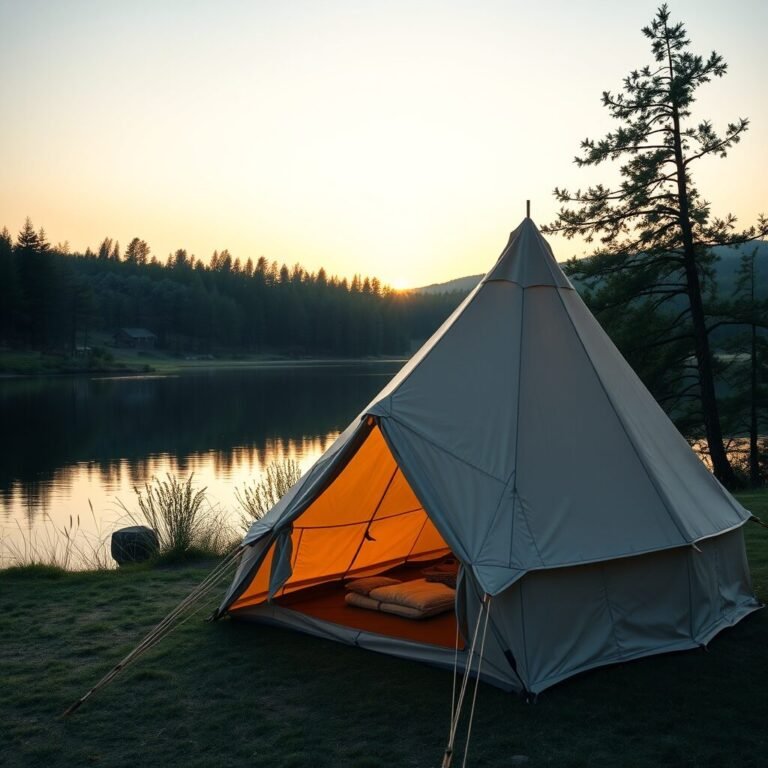
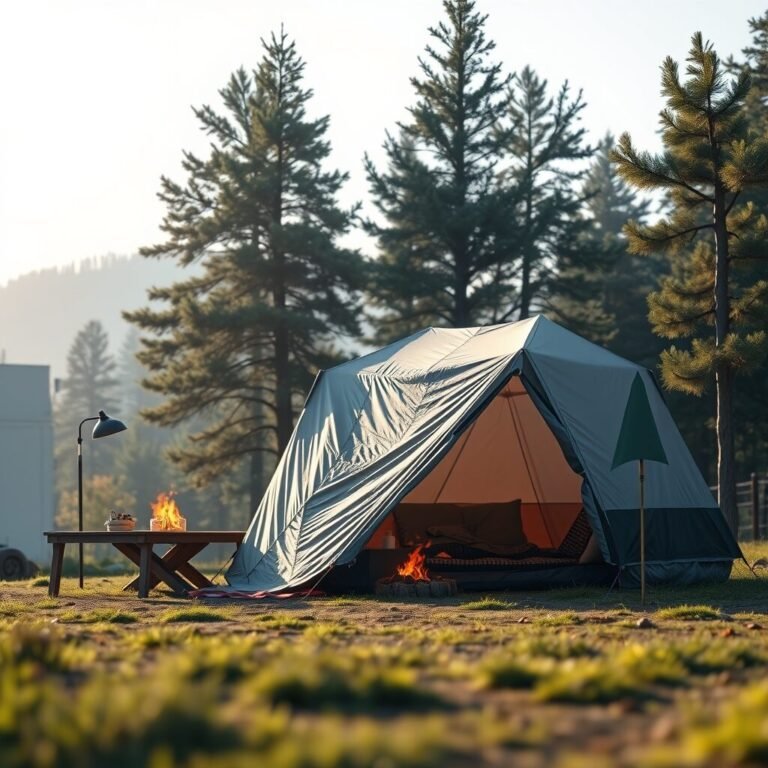
A sturdy, easy‑erect tent protects you from the elements and insects. For beginners, a 3‑person dome style offers room without excessive weight. Check out our Best Tents for Beginners 2026 guide for model comparisons.2. Sleeping Bag (appropriate temperature rating)
Don’t gamble on warmth. Choose a bag rated 10°F lower than the forecast. Our Sleeping Bag Temperature Rating article walks you through the math.3. Sleeping Pad or Air Mattress
A thin foam pad or inflatable mattress adds insulation from cold ground and cushions night‑time rolls. Look for self‑inflating models that pack small.4. Portable Camping Stove
Single‑burner canister stoves are lightweight and easy to use. Pair it with a compact cookware set to keep meal prep simple.5. Water Filtration System
Even if you plan to bring water, a filter guarantees safe drinking from natural sources. A hollow‑fiber straw filter fits into any hydration pack.6. Headlamp (with extra batteries)
Hands‑free lighting is a game‑changer after dark. Avoid the common pitfalls highlighted in 7 Camping Lighting Mistakes Beginners Make.7. First‑Aid Kit
Include bandages, antiseptic wipes, tweezers, and any personal medications. A compact first aid kit can slip into a side pocket of your backpack.8. Multi‑Tool or Knife
A good multi‑tool covers cutting rope, opening food, and minor gear repairs. Opt for stainless steel blades to resist rust.9. Firestarter Kit
Waterproof matches, a ferro rod, and some tinder cubes ensure you can get a fire going even in damp conditions.10. Packable Rain Gear
A breathable rain jacket and waterproof pants keep you dry while staying lightweight enough to fold into a daypack.How to Pack Efficiently: Space‑Saving Strategies
Once you own the essentials, the next challenge is fitting them into a backpack that won’t leave you sore on the trail.- Roll, don’t fold. Rolling clothes reduces bulk and prevents creases.
- Use compression sacks. They shrink the volume of your sleeping bag and pad.
- Layer items by frequency of use. Keep night‑time gear at the bottom, day‑time items like snacks and a rain jacket at the top.
- Employ dry bags. Waterproof dry bags protect electronics and clothing from moisture, and their zippered tops double as handy side pockets.
Tech & Comfort Add‑Ons Worth Considering
While the ten core items cover safety and shelter, a few upgrades can boost comfort without blowing your budget.- Portable Power Bank. Keep a small power bank charged for phone navigation.
- Compact Binoculars. Spot wildlife from a distance; see our Best Compact Binoculars for Hiking list for price‑friendly picks.
- Lightweight Camping Chair. A fold‑up chair gives your back a break after a day on the trail.
- Reusable Food Containers. Silicone bags are stackable and eliminate single‑use plastic.
Budget‑Friendly Swaps: Gear Under $30
Every beginner worries about the upfront cost. The good news? Many quality items sit comfortably under $30. Our roundup of 10 Must‑Have Camping Accessories Under $30 includes a firestarter kit, a basic headlamp, and a compact tarp that can double as a groundsheet.Final Pack‑Out Checklist: Double‑Check Before You Go
Before you close your tent zip, run through this quick list:- All food stored in airtight containers?
- Stove turned off and fuel canister secured?
- Trash packed out?
- Leave‑No‑Trace: fire fully extinguished, site clean?
- Gear accounted for (sleeping bag, pad, headlamp, water filter)?