Last updated:
As an Amazon Associate I earn from qualifying purchases.
Camping vs Alternatives: Breaking Down the Options
When planning a weekend getaway, the debate of camping vs alternatives often pops up as you weigh cost, comfort, and experience. Each style offers a different way to enjoy the outdoors, and the right choice depends on what you value most. Below we look at the four most common approaches: classic tent camping, glamping, RV travel, and cabin stays.
Traditional Tent Camping
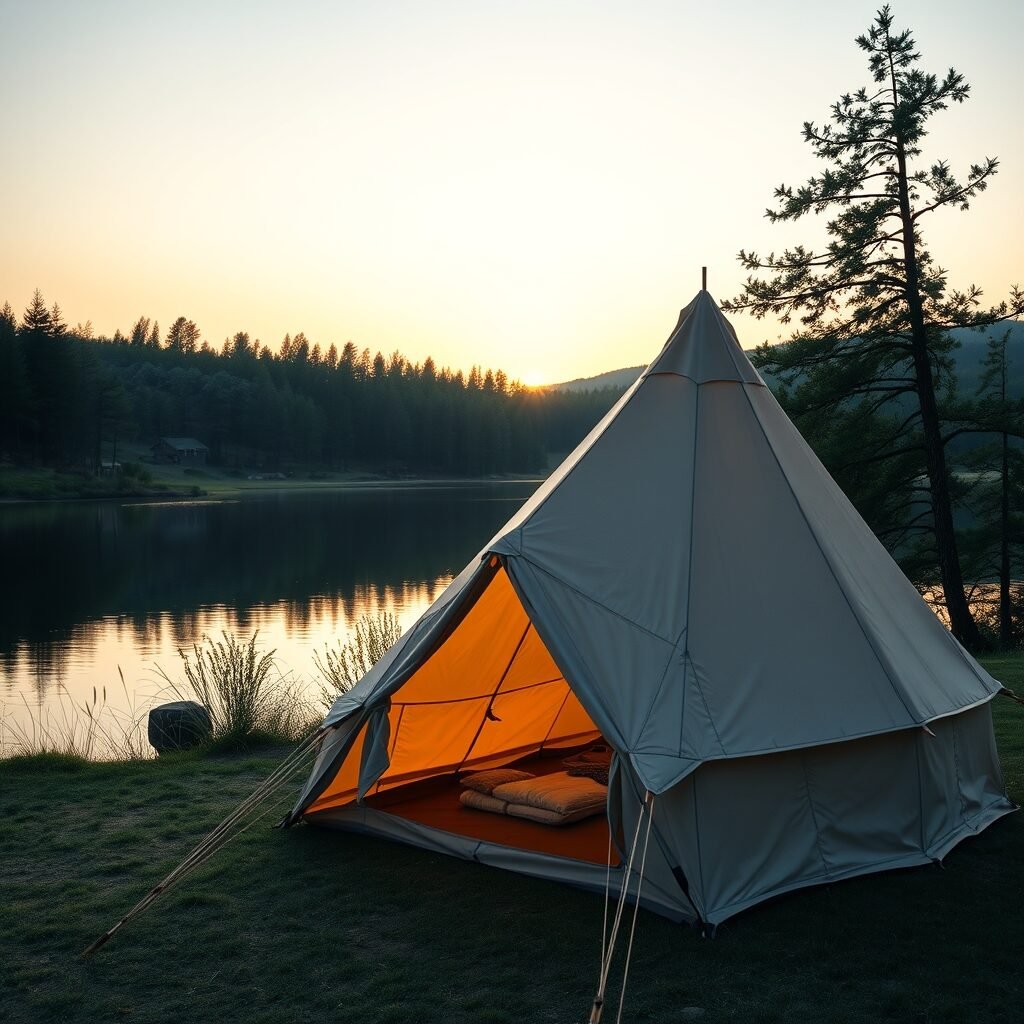
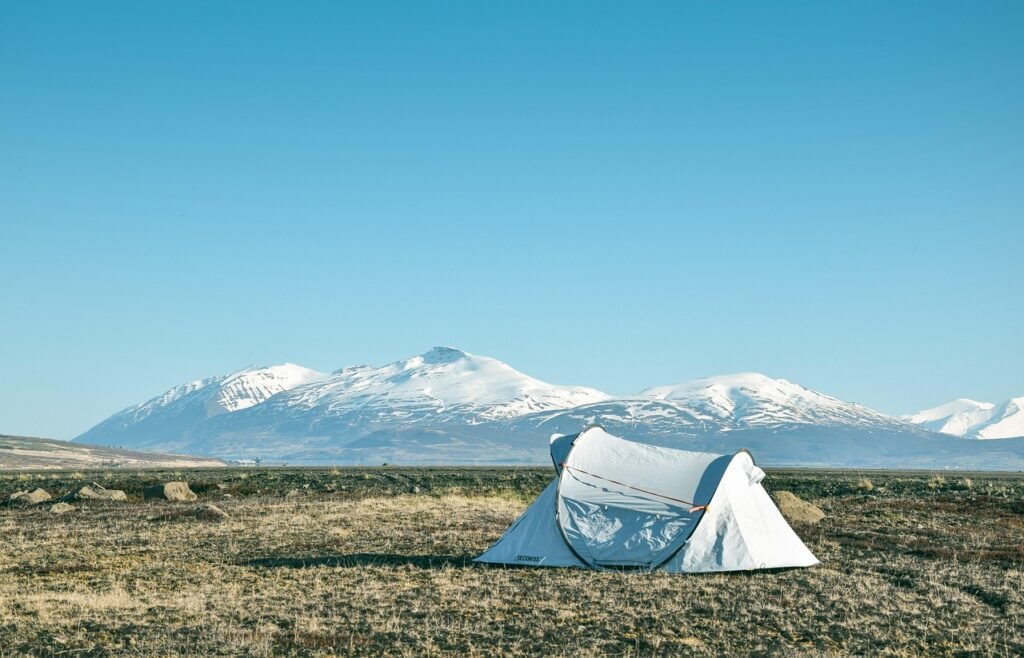
This is the back‑to‑basics experience many think of when they hear “camping.” You pack a tent, a sleeping bag, and a camp stove, then head to a campsite. It’s usually the lowest‑cost option, especially if you already own gear. You’ll spend time setting up camp, cooking over a flame, and falling asleep to natural sounds. The trade‑off is less protection from weather and fewer built‑in amenities.
Glamping
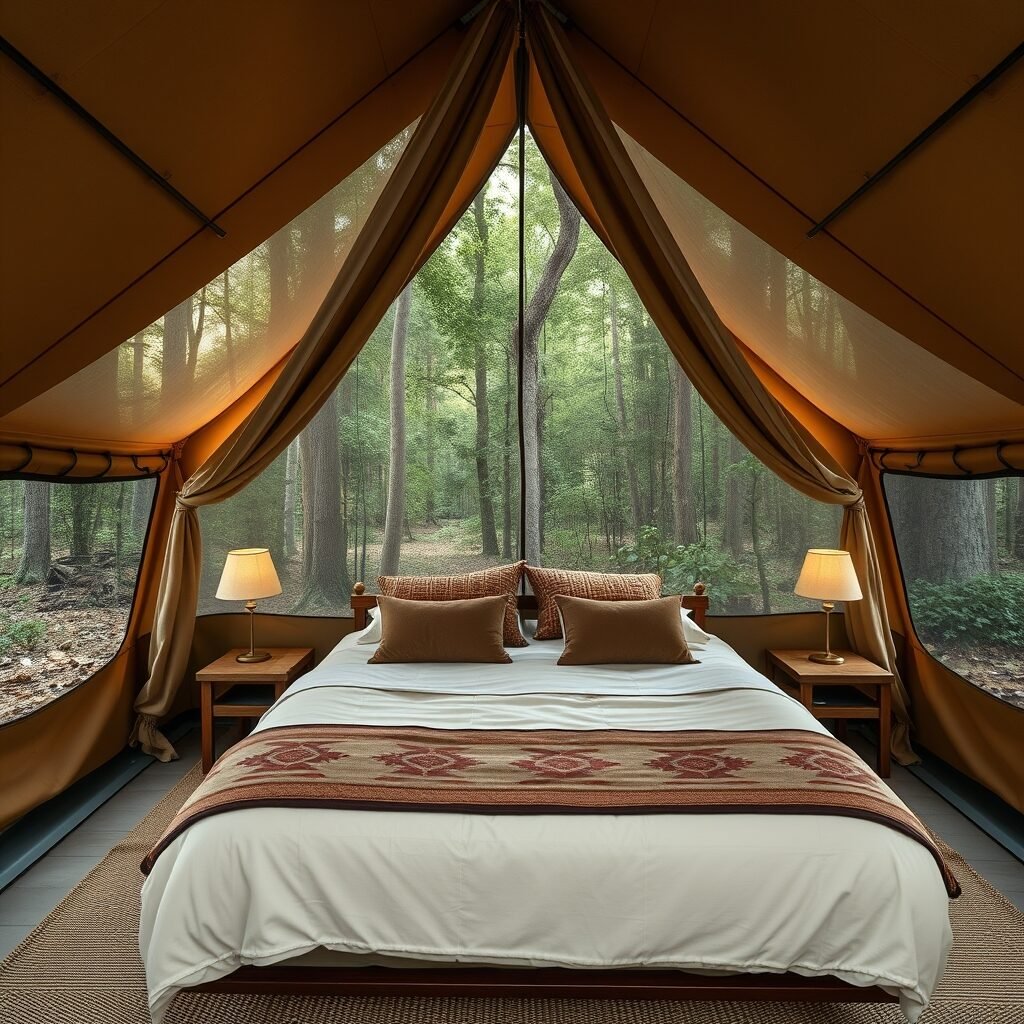
Glamping blends hotel comfort with an outdoor setting. Think canvas‑wall tents equipped with real beds, electricity, and sometimes private bathrooms. It removes the hassle of pitching a shelter while still letting you wake up surrounded by trees or mountains. Prices are higher than basic camping, but you avoid investing in a lot of gear. Many glamping sites also offer organized activities like guided hikes or kayaking.
RV Travel
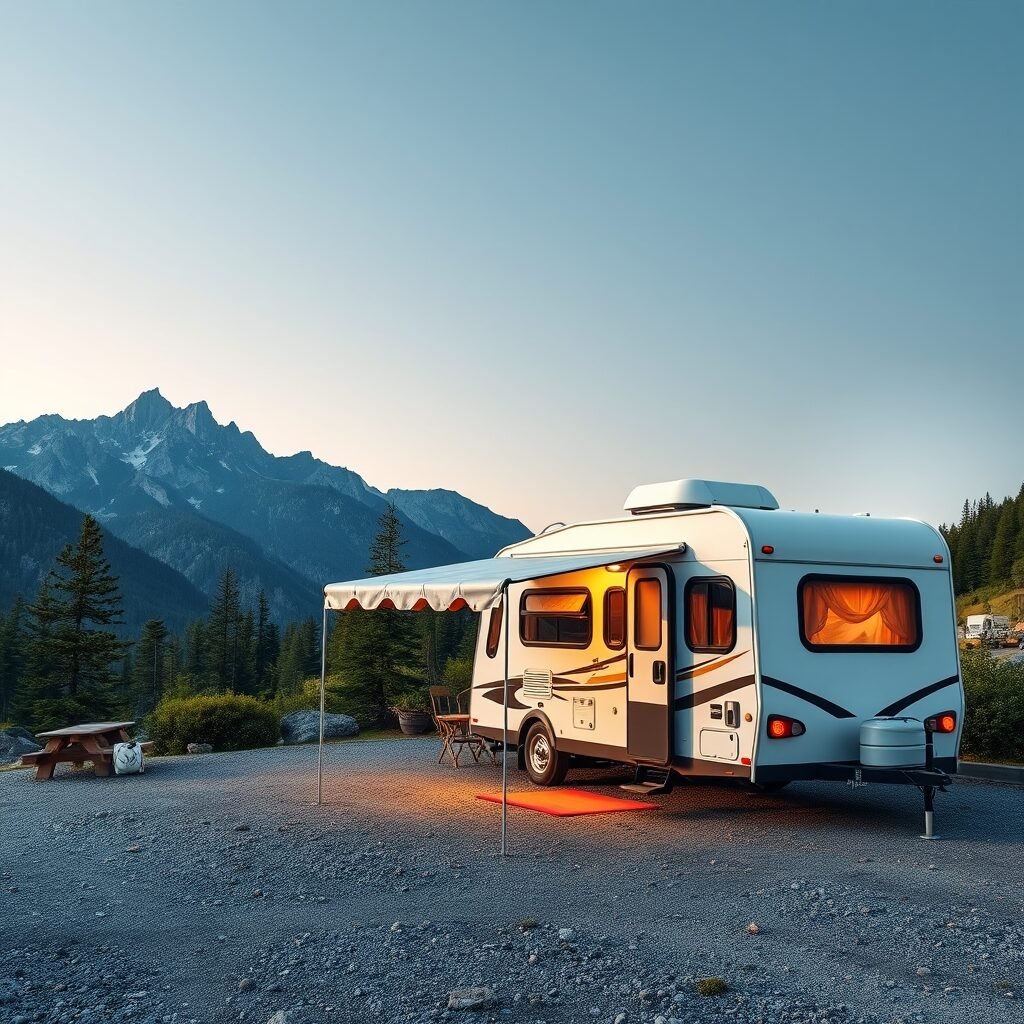
An RV gives you a moving bedroom, kitchen, and bathroom. You can drive to multiple locations without repacking each night, and you have climate control at the touch of a button. The upfront cost of renting or buying an RV can be steep, and fuel consumption adds to the expense. However, you gain flexibility—if the weather turns bad, you can relocate quickly or stay put with heating and air conditioning.
Cabin or Cottage Stays
Renting a cabin provides solid walls, a full kitchen, and often a fireplace or hot tub. It’s ideal for families or groups who want indoor comfort while still being close to trails, lakes, or ski slopes. Cabin rates vary widely by location and season, and you’ll usually need to bring your own food and any specialty gear like fishing rods or bikes.
Cost Comparison: What You’ll Actually Spend
When you break down the numbers, camping vs alternatives shows a clear spectrum. A basic tent site at a public campground might cost $20‑$35 per night, plus any firewood or permit fees. Glamping nightly rates often start around $100 and can exceed $250 for luxe setups. RV rentals typically range from $75‑$150 per night, not including fuel and campground fees. Cabin rentals fall somewhere between $80‑$200 per night, depending on amenities and proximity to attractions.
If you already own a tent, sleeping bag, and stove, your ongoing camping expenses stay low. For those who prefer not to store gear, glamping or cabin rentals eliminate the need for a large upfront purchase. RVs represent a middle ground: you pay for the vehicle but save on nightly lodging if you travel frequently.
Comfort and Convenience Trade‑offs
Comfort is where the alternatives often shine. A glamping bed or RV mattress beats sleeping on a thin pad, and climate control means you won’t wake up sweaty or shivering. Cabins provide full kitchens, so you can prepare meals without worrying about wind‑blown stoves or limited fuel. Traditional camping requires more effort: you’ll level ground, stake guylines, and manage water storage.
On the flip side, camping offers a sense of self‑reliance that many find rewarding. Setting up your own shelter, filtering water, and cooking over a fire builds skills and confidence. If you enjoy the process as much as the destination, the extra work can feel like part of the adventure rather than a chore.
Experience and Connection to Nature
The way you engage with the environment differs across options. Tent camping puts you directly in the elements—you hear rain on the fly, feel the temperature drop at night, and spot wildlife that might shy away from louder, larger structures. Glamping sites often situate you in scenic spots but may include barriers like fencing or noise from nearby units.
RVs let you chase good weather and follow migration patterns, but the size of the vehicle can limit access to primitive trails or tight campgrounds. Cabins provide a solid base for day hikes or fishing trips, yet you spend more time inside walls than under open sky.
If your goal is to unplug and immerse yourself in nature’s rhythms, traditional camping usually delivers the deepest connection. If you value a mix of outdoor scenery and indoor comfort, the alternatives provide a flexible middle ground.
When to Choose Each Option
Choose classic tent camping when:
- You want the lowest nightly cost and already own core gear.
- You enjoy setting up camp, cooking outdoors, and sleeping under the stars.
- You’re targeting remote or backcountry sites where only tents are allowed.
Opt for glamping when:
- You’d like a comfortable bed without the hassle of pitching a shelter.
- You’re traveling with someone who prefers not to rough it.
- You want a curated experience that may include guided tours or spa‑like amenities.
Consider an RV if:
- You plan to visit multiple destinations in one trip and dislike repacking.
- You need climate control, a full kitchen, or a bathroom on the go.
- You’re okay with higher fuel costs and the learning curve of driving a large vehicle.
Pick a cabin when:
- You’re traveling with kids or pets who appreciate indoor space.
- You want a home‑base for activities like skiing, fishing, or mountain biking.
- You prefer predictable heating, running water, and a solid roof regardless of weather.
Making Your Decision
Start by listing your priorities: budget, comfort level, desired activities, and how much gear you’re willing to manage. If saving money and embracing a hands‑on approach top your list, traditional camping is likely the best fit. If you value a good night’s sleep and minimal setup time, look into glamping or a cabin. For those who crave flexibility and the ability to bring many comforts on the road, an RV offers a compelling middle ground.
Whichever you choose, remember that the goal is to enjoy time outdoors in a way that feels rewarding and sustainable for you. Test a single night in each style if you can—many campgrounds offer trial glamping pods, and rental companies often provide short‑term RV deals. Real‑world experience beats any pros‑and‑cons list when it comes to finding your perfect outdoor stay.
FAQ
Is glamping really cheaper than buying all the camping gear?
Glamping nightly rates are higher than a basic campsite, but they eliminate the need to purchase a tent, sleeping bag, stove, and other equipment. If you only camp once or twice a year, glamping can actually save money compared to buying gear that sits unused most of the time.
Can I take an RV to national park campgrounds?
Many national parks have RV‑compatible sites, but length restrictions and reservation policies vary. It’s wise to check each park’s website for maximum vehicle length, hookup availability, and whether you need to reserve a spot well in advance.
Do cabins usually provide linens and cookware?
Most cabin rentals include basic linens and a full set of cookware, but policies differ. Always read the listing details or contact the host to confirm what’s provided so you know what to pack.
Read also: Camping FAQ: Answers to Your Top Questions