Last updated:
As an Amazon Associate I earn from qualifying purchases.
camping FAQ: What to Pack for a Successful Trip
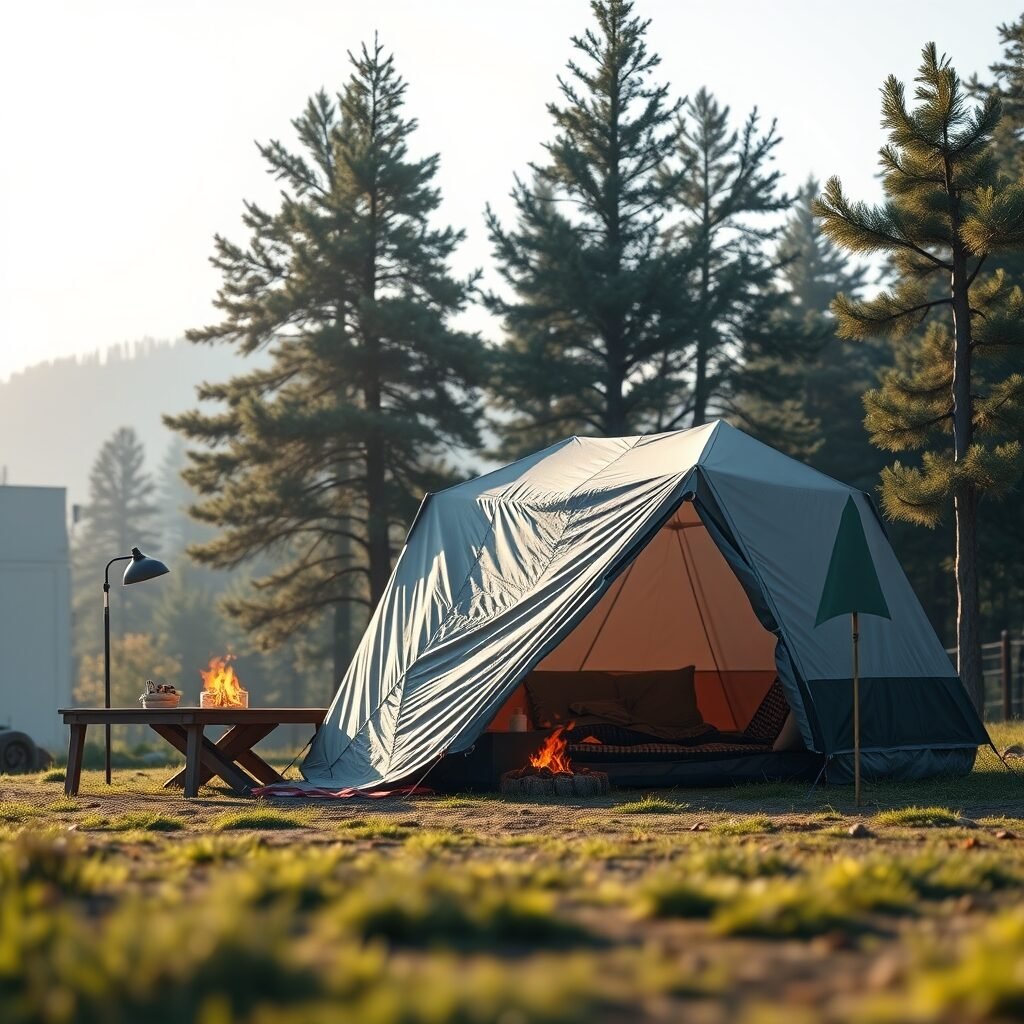
When you first open a camping FAQ, the biggest worry is usually “What should I bring?” The answer starts with a solid core list: a weather‑appropriate tent, a warm sleeping bag, a reliable camp stove, and a comfortable camp chair. From there, layer in items that match your destination—think a portable cooler for hot sites or a headlamp for dark forests.
For lightweight enthusiasts, check out our best lightweight camping gear guide. It highlights ultra‑compact tents, down sleeping bags, and collapsible cookware that shave ounces off your pack without sacrificing comfort.
Why a Checklist Matters
A printed checklist prevents last‑minute scrambling at the campsite. Write it on a durable card, then tick off each item as you pack. Seeing “lamp” and “first‑aid kit” checked off reduces anxiety and frees mental space for the adventure ahead.
camping FAQ: How to Choose the Right Tent Size
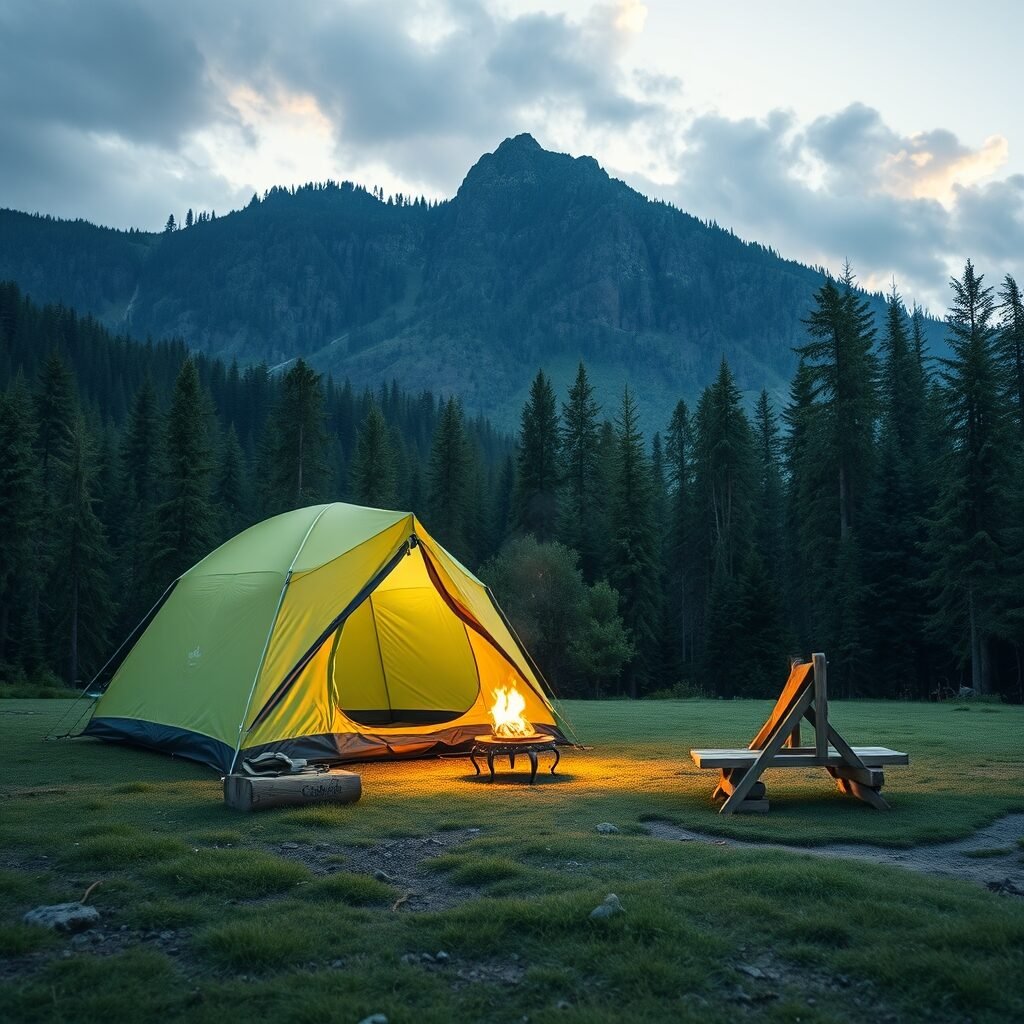
One of the most frequent queries in a camping FAQ is “What tent size do I need?” Start by counting the people and gear you’ll store inside. A two‑person tent works for couples with minimalist packs, while families often prefer a three‑person or larger model that offers a vestibule for shoes and backpacks.
Our best 2‑person tents for USA camping guide walks you through pole‑type options and seasonal ratings, making the decision easier.
Seasonality and Fabric
Three‑season tents handle spring to fall conditions—rain, wind, and moderate cold. If you’re heading into alpine terrain, a four‑season design with stronger canvas or nylon will keep you safe from heavy snowfall.
camping FAQ: Setting Up Camp Quickly and Safely
New campers often ask, “How do I pitch a tent fast?” The trick lies in selecting a site with flat ground, away from low‑lying areas that could collect water. Clear debris, lay down a groundsheet, and then unfold the tent poles. Most modern tents feature color‑coded poles that snap together in minutes.
Don’t forget to stake the corners at a 45‑degree angle for extra wind resistance. A quick camping lights guide shows the best LED lanterns for night‑time setups.
Fire Safety Basics
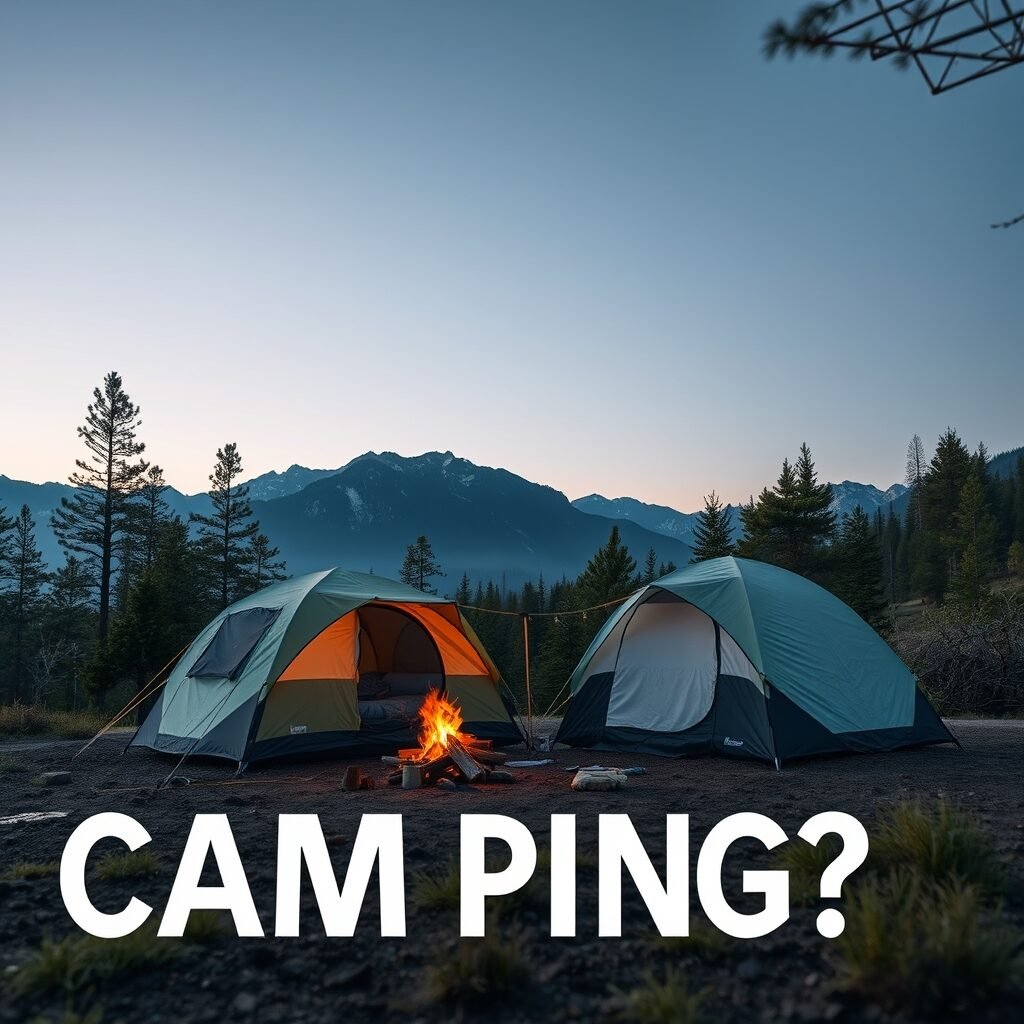
Before lighting a campfire, clear a 10‑foot radius of dry leaves and twigs. Use a fire ring or existing pit, and keep a bucket of water or sand nearby. This simple habit appears in almost every camping FAQ because it protects both you and the environment.
camping FAQ: Cooking and Food Storage Tips
“What can I safely cook outdoors?” is a staple question in any camping FAQ. A compact camp cookware set paired with a low‑BTU stove lets you boil water, sauté vegetables, and simmer soups without fuss.
Store perishables in a cooler with ice packs, and keep raw meats separate from ready‑to‑eat foods. If you’re in a bear‑country area, opt for a bear‑proof canister—this answer is often highlighted in wildlife safety sections of a camping FAQ.
Meal Planning Made Simple
Plan meals that require minimal ingredients and cookware. Think instant oatmeal for breakfast, foil‑wrapped chili for lunch, and dehydrated pasta for dinner. Pre‑portioning meals into zip‑top bags reduces waste and speeds up cooking.
camping FAQ: Staying Comfortable in All Weather
Another common query: “How do I stay warm when the temperature drops at night?” Layering is key—base layers wicking moisture, an insulating mid‑layer, and a wind‑proof outer shell. Pair this with a high‑quality sleeping bag rated for temperatures at least 10°F lower than you expect.
For chilly evenings, a portable camp heater can add extra warmth, but always follow ventilation guidelines to avoid carbon monoxide buildup.
Dealing with Bugs
Insect repellent, a mesh‑screened tent, and a citronella lantern keep mosquitoes at bay. These practical steps are often listed in the “pest control” part of a camping FAQ.
camping FAQ: Common Mistakes and How to Avoid Them
Seasoned campers know that the best way to learn is by avoiding rookie errors highlighted in a camping FAQ. Overpacking is one—carry only essentials and leave room for souvenirs.
Another pitfall is ignoring the “Leave No Trace” principles. Pack out all trash, stay on established trails, and minimize campfire impact. This mindset preserves the outdoors for future adventures.
Navigation Errors
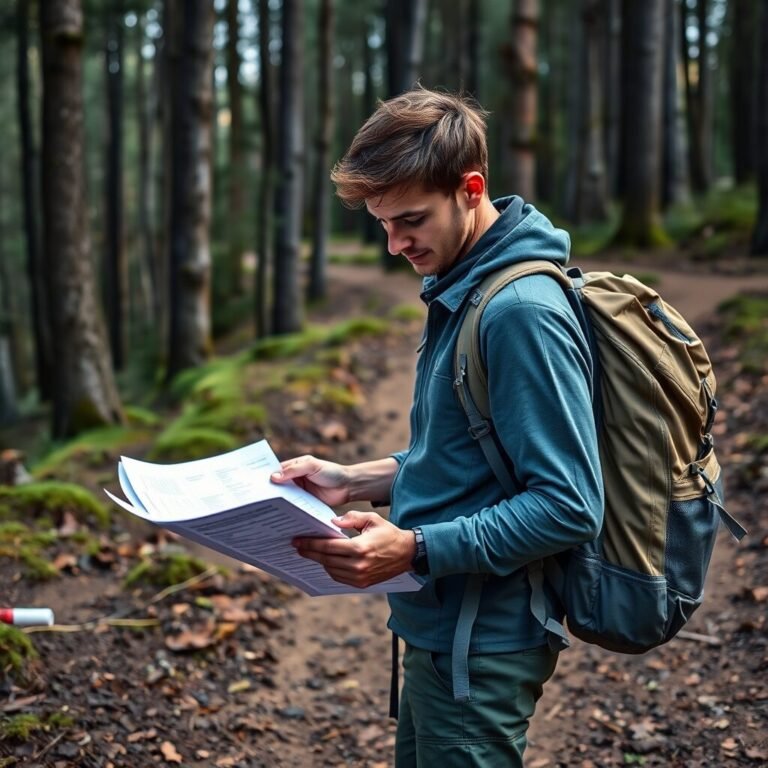
Relying solely on a smartphone can be risky where service is spotty. Carry a physical map and a compass as backups. A quick tutorial on map reading is included in our hiking survival gear article.
FAQ
How far in advance should I reserve a campsite?
Most popular parks open reservations 6 months ahead; check the park’s website early to secure your spot.
Do I need a permit for backcountry camping?
Many wilderness areas require a backcountry permit—apply online or at the ranger station before you go.
What’s the best way to keep food fresh without a fridge?
Use a high‑quality cooler with ice packs, keep it shaded, and store meat in separate sealed bags to prevent cross‑contamination.
Read also: Camping vs Alternatives: Which Option Wins for Your Next Adventure?