
Last updated:
As an Amazon Associate I earn from qualifying purchases.
Why Waterproof Trail Runners Matter on the Trail
Imagine the thrill of chasing sunrise over a mist‑filled ridge, only to step into a hidden puddle that soaks your socks. That sudden chill can ruin a day’s worth of effort. The right waterproof trail runner turns that moment into a non‑event, letting you stay focused on the view, the cadence, and the next switchback.
Key Features to Scout When Shopping
Not all trail shoes claim waterproofing in the same way. Here’s what seasoned hikers actually test in the field:
- Breathable membrane: Gore‑Tex, eVent, or proprietary laminates that keep water out while letting sweat escape.
- Rock plate or TPU insert: Protects your feet from sharp stones without adding bulk.
- Outsole traction: Aggressive lugs made of rubber compounds that stay sticky on wet bark and slick mud.
- Fit stability: A snug midfoot cage and a supportive heel counter prevent slippage on steep descents.
- Weight balance: Light enough for fast‑packing, but sturdy enough to handle stream crossings.
How to Test Waterproofness Before You Buy
Even the best‑rated shoe can have a manufacturing flaw. If you can, do a quick “dip test” at a local outdoor store: dunk the toe box for ten seconds, dry it off, and check for moisture inside the lining. Also, read user reviews that mention long river fords—those anecdotes often reveal real‑world performance.
12 Picks That Earned Their Spot
Below are twelve waterproof trail runners that consistently deliver dry feet, confidence‑boosting grip, and comfort for long hikes. Each description focuses on the technology you’ll find, not the brand name.
1. High‑Performance Gore‑Tex Racer
This shoe pairs a full Gore‑Tex membrane with a lightweight foam midsole that feels like a cloud on the ascent. The outsole uses a 5‑mm stone‑guard plate, perfect for scrambling over loose scree.
2. Budget‑Friendly Waterproof Sneaker
Ideal for weekend explorers, this model offers a budget‑grade waterproof coating and a flexible rubber tread. It lacks a rock plate but compensates with a roomy toe box that accommodates swollen feet on hot days.
3. Women’s Trail Runner with Adaptive Fit
Designed specifically for a woman’s foot shape, the upper molds to the arch while the waterproof membrane stays supple. The shoe’s lacing system features a quick‑lock hook for easy adjustments on the go.
4. Men’s Trail Runner with Integrated Gaiter
A built‑in gaiter cuff seals the opening around the ankle, stopping creek water from sneaking in. The shoe also sports an aggressive “cork‑screw” lug pattern that digs into wet moss.
5. Minimalist Water‑Resistant Trail Shoe
For purists who crave a barefoot feel, this shoe uses a water‑resistant spray rather than a full membrane. It’s ultra‑light, making it a favorite for fast‑packing sections where speed outweighs deep water crossings.
6. All‑Season Trail Runner with Heat‑Reflective Lining
When the trail temperature drops after a sudden rain, this model’s reflective inner lining keeps feet warm without sacrificing breathability. The waterproof layer is laminated, so it won’t balloon during high‑intensity climbs.
7. Trail Runner with Removable Rock Plate
Some hikers love the option to swap out the plate for a smoother sole when traversing dry, technical terrain. This shoe’s modular design makes the change quick—no tools required.
8. Waterproof Trail Runner with Extra Cushion
Long‑distance hikers appreciate the dual‑density midsole that cushions each step while still offering a responsive toe‑off. The waterproof layer is reinforced at stress points, extending durability.
9. Trail Runner with Integrated Trail‑Ready Sock System
This shoe includes a zip‑in, moisture‑wicking sock that slides into the shoe’s interior, creating a sealed system that repels water from both outside and inside.
10. Trail Runner with Enhanced Grip on Wet Rocks
Engineered for waterfall hikes, the outsole uses a hybrid rubber blend that stays pliable in cold water, delivering grip where ordinary soles become slippery.
11. Eco‑Friendly Waterproof Runner
Made from recycled polyester and a plant‑based membrane, this shoe proves sustainability and performance can coexist. It still offers a solid rock plate and a stable heel.
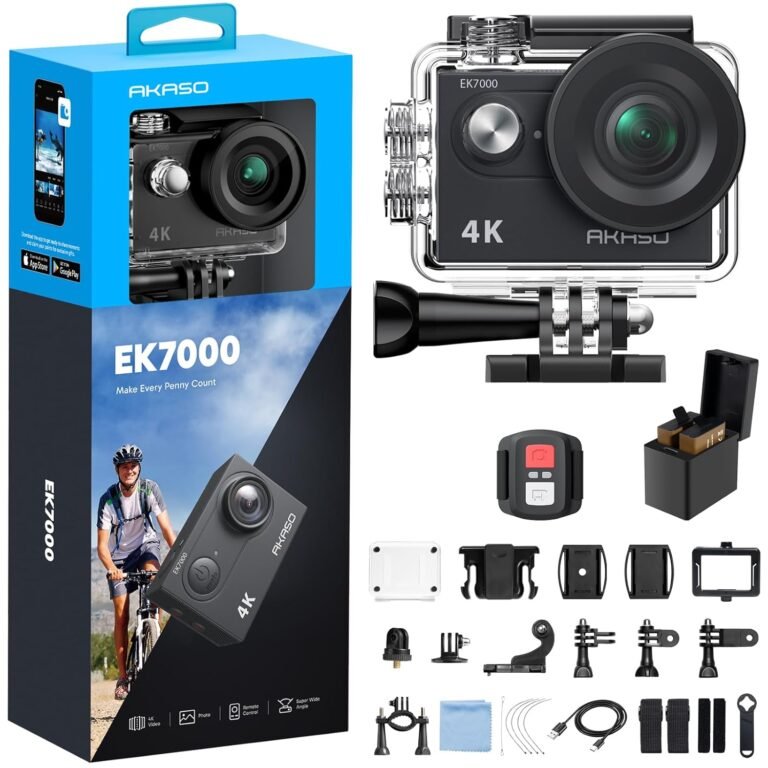
12. Trail Runner Designed for Action Camera Mounts
Adventure vloggers will love the reinforced sidewall that accommodates a small clip for an action camera without compromising waterproof integrity. The shoe’s low profile also prevents the camera from catching on branches.
Choosing the Right Pair for Your Hiking Style
Now that you’ve seen the lineup, narrow it down by answering three quick questions:
- Will you be crossing streams often? If yes, prioritize a full‑membrane Gore‑Tex or similar.
- Do you need extra cushioning for long days on the trail? Look for dual‑density midsoles.
- Is weight a top concern for fast‑packing? Consider minimalist water‑resistant options.
Once you’ve matched your needs, you can explore the following product categories on Amazon:
- Men’s waterproof trail running shoes
- Women’s waterproof trail running shoes
- Lightweight waterproof trail sneakers
- Budget-friendly waterproof trail runners
Maintenance Tips to Extend Waterproof Life
Even the toughest waterproof runner will lose its barrier if you neglect care. Follow these steps after each hike:
- Rinse, don’t soak: Use a gentle stream to wash off mud; avoid submerging the shoe for long periods.
- Air dry naturally: Stuff the toe box with newspaper and let the shoes dry at room temperature—no direct heat.
- Re‑apply DWR coating: A light spray of durable water repellent (DWR) restores the outer fabric’s bead‑off performance.
- Inspect the membrane: Look for tiny punctures or seam splits; a quick sealant can prevent leaks before they start.
Real‑World Scenario: A Day on the Alpine Loop
Take a typical Alpine Loop hike: early morning mist, a narrow ridge with loose scree, and a midway creek that’s swollen from recent rain. Your ideal shoe will:
- Keep water out while your feet breathe during the steep climb.
- Offer a rock plate that prevents bruises on jagged stones.
- Deliver an outsole that clings to wet granite, letting you maintain steady footing on the ridge.
- Stay light enough that you don’t feel weighed down when you need to scramble up the final scramble.
Pair those shoes with a reliable action camera mounted on your helmet, and you’ll capture the whole adventure without worrying about soggy feet or a slipping grip.
FAQ
Can I use regular trail shoes for stream crossings?
Regular trail shoes will protect you from rocks, but they won’t stop water from soaking your feet. A waterproof membrane is essential if you anticipate frequent water contact.
How often should I reapply the DWR coating?
Most hikers find that a fresh coat every 3–4 months, or after a particularly muddy trek, restores optimal water repellency.
Do waterproof trail runners add extra weight?
Modern membranes are lightweight; the added weight is usually under 100 grams per shoe, a negligible trade‑off for staying dry.
Take the Next Step
Dry feet are the foundation of an enjoyable hike. Choose a pair from the twelve highlighted options that aligns with your terrain, distance, and budget. Then, gear up, hit the trail, and let the only thing you have to worry about be the view.
Also read: Hiking FAQ: Top Trail Questions Answered