
As an Amazon Associate I earn from qualifying purchases.
Whether you are planning your first forest loop or leveling up your weekend miles, this comprehensive hiking FAQ covers everything you need to know before stepping foot on the trail. Heading outdoors should feel exhilarating, not intimidating. Yet every year, new hikers find themselves wrestling with the same core uncertainties: What shoes actually protect your feet? How much water is truly enough? Who yields to whom when a trail narrows?
Below, you will find direct, field-tested answers to the questions outdoor enthusiasts ask most. Skip the trial-and-error phase and start your next trek with confidence.
Hiking FAQ: What Should You Wear on the Trail?
The golden rule of outdoor clothing is simple: avoid cotton at all costs. Cotton traps moisture against your skin, leaving you chilled in cold weather and chafed in the heat. Instead, build a flexible layering system using moisture-wicking synthetic fabrics like polyester and nylon, or natural fibers like merino wool.
Your layering system should include three main components:
- Base layer: A snug, breathable shirt that moves sweat away from your torso.
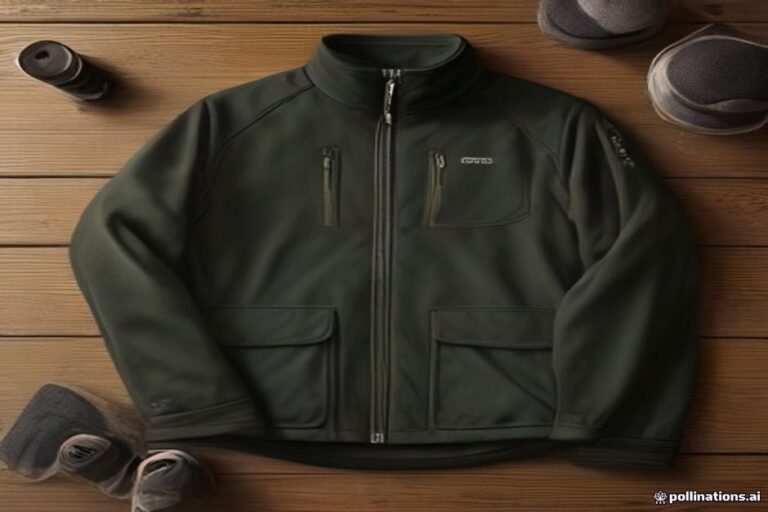
- Mid layer: An insulating fleece or ultralight down jacket that traps body heat when temperatures drop or the wind picks up.
- Outer shell: A windproof and waterproof rain jacket to protect against unexpected downpours.
For your lower half, durable hiking pants or stretchy athletic leggings work well. If you are shopping for trail-tested cuts, explore our breakdown of women’s hiking gear to see how modern apparel balances breathability with rugged durability.
Boots vs. Trail Runners: Which Is Better?
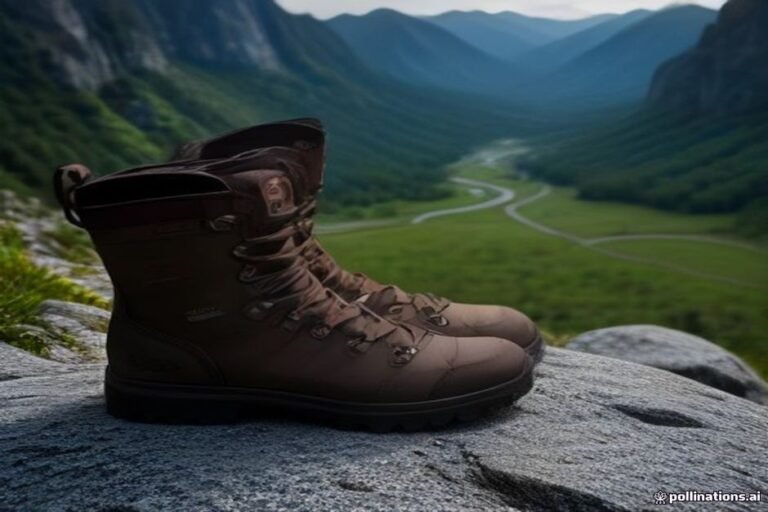
One perennial hiking FAQ centers on footwear. Traditional hiking boots offer rigid ankle support and deep tread, making them ideal for carrying heavy loads over uneven, rocky terrain. However, they are heavy and take time to break in.
Trail running shoes have become the favorite choice for day hikers and long-distance backpackers alike. They are lightweight, require zero break-in period, and dry far faster when wet. Pair your footwear with cushioned, moisture-wicking socks from our curated guide to the best hiking socks to prevent painful friction blisters before they start.

How Much Water and Food Do You Really Need?
Hydration mistakes are among the most common errors beginners make. A reliable rule of thumb is to drink approximately one-half liter of water for every hour of moderate hiking in temperate weather. If you are climbing steep terrain, hiking at high altitudes, or venturing out in summer heat, increase that baseline to a full liter per hour.
Never rely on open creeks or mountain streams without treatment, regardless of how crystal clear the water appears. Carrying a compact portable water filter allows you to replenish your supply safely from natural water sources along the trail without adding heavy weight to your pack.
For nutrition, focus on calorie-dense, shelf-stable snacks that do not melt easily. Trail mix, nuts, dried fruit, jerky, energy chews, and nut butter packets are ideal. Plan to eat a small snack every 60 to 90 minutes rather than waiting for a massive lunch; keeping a consistent fuel intake prevents the sudden energy crashes often addressed in any endurance hiking FAQ.
What Belongs in a Daypack?
For an outing under eight miles, a streamlined 15- to 25-liter daypack provides plenty of room without throwing off your balance. Distribute heavier gear close to your spine and keep critical items like your first aid kit, snacks, and rain gear accessible.
Every hiker should carry the Ten Essentials, regardless of trail length. These include:
- Navigation (offline map, physical map, compass)
- Headlamp or flashlight with extra batteries
- Sun protection (sunglasses, sunscreen, UPF clothing)
- Basic first aid supplies and blister treatment
- Knife or multi-tool and gear repair tape
- Fire starter or waterproof matches
- Emergency shelter (an ultralight bivy or space blanket)
- Extra food beyond your planned trail meals
- Extra water or purification methods
- Extra warm layers
If you want a detailed look at emergency preparedness, review our essential list of hiking survival gear so you never find yourself unprepared when plans change.

Trail Etiquette: Who Has the Right of Way?
Understanding trail right-of-way prevents awkward standoffs and keeps traffic moving smoothly. Whenever this hiking FAQ arises, remember these three standard rules:
- Hikers yield to horses: Pack animals can spook easily. Step off the downhill side of the trail, stay calm, and avoid sudden movements while the rider passes.
- Mountain bikers yield to hikers: While bikers technically yield to foot traffic, bikes travel much faster. If you see a cyclist descending quickly, stepping aside into a safe pull-off is often the smartest practical choice.
- Downhill hikers yield to uphill hikers: Climbing requires immense physical momentum and uphill travelers have a narrower field of vision. Step aside and let climbing hikers set their pace uninterrupted.
Always practice the Leave No Trace principles. Pack out all trash, including biodegradable scraps like banana peels and apple cores, which decompose very slowly and attract wildlife to popular corridors.
How Do You Handle Restroom Breaks Outdoors?
Nature calls, and knowing how to handle sanitation is a critical hiking FAQ for environmental stewardship. When outdoor privies are not available, follow standard wilderness protocols:
Walk at least 200 feet (about 70 adult paces) away from trails, campsites, and all water sources. For solid waste, dig a cathole 6 to 8 inches deep and 4 to 6 inches wide. Bury your waste completely with natural soil once finished. The best environmental practice is to pack out all used toilet paper and wet wipes in a sealable plastic bag. Keep an odor-proof bag and a small bottle of hand sanitizer in an outer pocket of your pack for quick access.
How Can You Protect Your Knees and Joints?
Descending steep, rocky steps places significant impact shock on your knees, ankles, and lower back. Incorporating a pair of adjustable trekking poles drastically reduces joint strain by redistributing your body weight across your upper body. Poles also provide essential stabilization when crossing slippery logs, loose shale, or shallow creeks.
Take short, deliberate steps rather than leaping down boulders. Maintain a slight bend in your knees upon impact, and pace yourself so you never feel out of control on steep downward grades.
FAQ
How fast does the average person hike?
Most recreational hikers maintain an average pace of two miles per hour on moderate terrain. Steep elevation gains, high altitude, or technical footing can easily reduce that speed to one mile per hour.
Can I hike alone as a beginner?
Yes, beginners can hike solo safely by picking well-trafficked, clearly marked trails in established parks. Always tell a trusted contact exactly where you are going and what time you expect to return.
What is the single most important item to pack?
Aside from drinking water, reliable navigation is paramount. Download digital trail maps for offline use before losing cell reception, and always pair them with a physical map and compass on unfamiliar routes.
Ready for the Trail
Hitting the trail does not require years of backcountry training or expensive setups. By following this hiking FAQ, choosing breathable clothing layers, packing smart hydration solutions, and respecting basic trail etiquette, you set yourself up for safe, rewarding days outdoors. Check the local trail conditions, lace up your boots, and enjoy the journey ahead.