
Last updated:
As an Amazon Associate I earn from qualifying purchases.
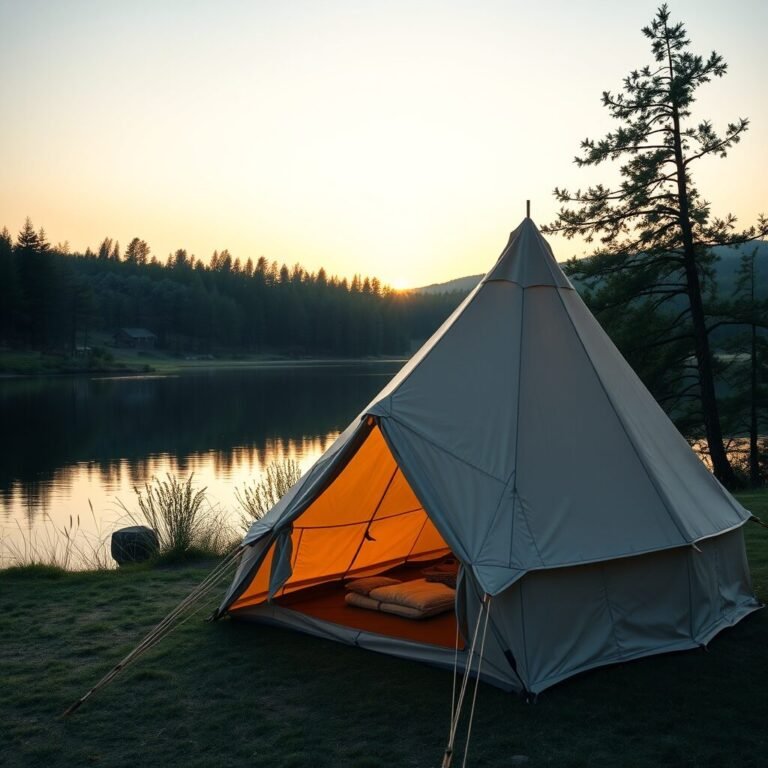
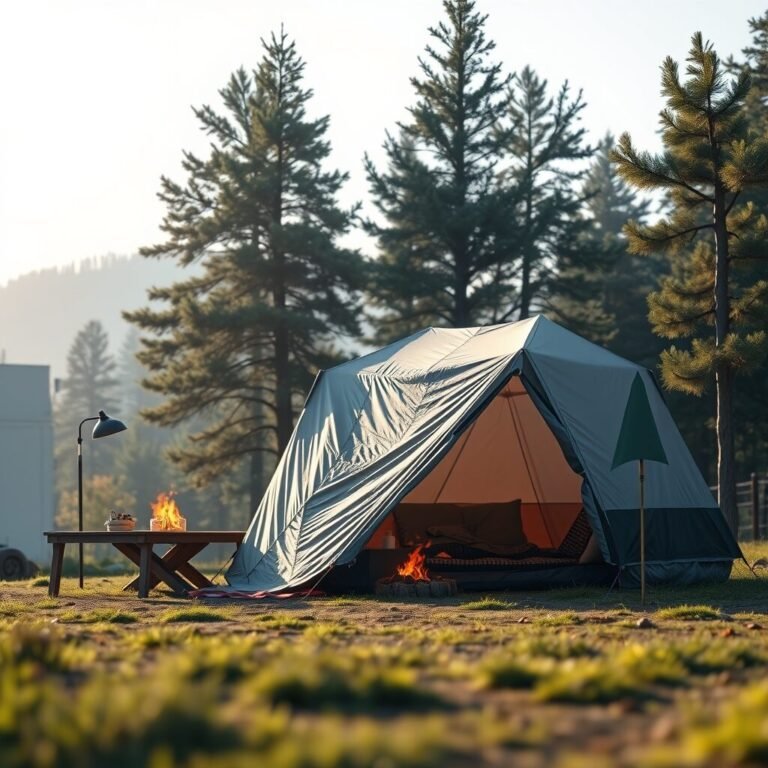
Imagine you’ve just arrived at a beautiful lakeside site, fire pit crackling, and your dinner ingredients are ready—only to discover your camp kitchen tables wobble like a toddler on stilts. That moment can turn a promising meal into a frustrating scramble. In this guide we’ll walk through the seven most common mistakes to avoid when selecting and setting up camp kitchen tables, so you can focus on flavor, not balance.
1. Overlooking Table Stability
Stability isn’t just a nice‑to‑have; it’s the foundation of any functional outdoor kitchen. Cheap plastic legs that bend under a kettle can spill hot water and ruin your mood. Look for tables with reinforced joints, wide leg spread, or adjustable feet that can be angled to accommodate uneven terrain. A set of adjustable camping table legs can transform a wobbly platform into a rock‑solid work surface.Practical tip
Before you leave the campsite, place a small piece of foam or a folded towel under each leg. It absorbs the shock of rocks and roots, keeping your camp kitchen tables level without adding weight.2. Ignoring Weight and Packability
If you’ve ever lugged a full‑size picnic table up a trail, you know the pain. The best camp kitchen tables strike a balance between durability and feather‑light design. Aluminum frames collapse into a fraction of their size, while carbon‑fiber options are even lighter but pricier. Avoid bulkier wooden crates unless you’re car‑camping and have a vehicle to haul them.Product type suggestion
Consider a collapsible camping table that folds into a compact bundle and can be stowed in a backpack or gear box.3. Forgetting the Cooking Layout
A table that’s too narrow forces you to crowd pots, pans, and prep bowls, increasing the risk of spills. Map out your typical cooking flow—prep, cook, serve—and choose a table with at least a 30‑inch width and a 24‑inch depth. This layout gives you room for a cutting board on one side and a portable stove on the other, keeping the workspace organized.Real‑world example
During a recent weekend at Bear Creek, I set up a foldable aluminum camping table that offered a 32‑by‑24‑inch surface. The extra inch made room for a small spice rack, saving me from juggling jars on the ground.4. Skipping Weather‑Resistant Materials
Rain, dew, and humidity are inevitable outdoors. Tables made of untreated wood or low‑grade plastic can swell, warp, or develop mold. Opt for powder‑coated aluminum, UV‑treated synthetic resin, or sealed hardwood. These materials shrug off the elements, ensuring your camp kitchen tables stay functional trip after trip.Maintenance tip
After each use, wipe the tabletop with a dry cloth and let it air dry before packing. A quick spray of a food‑safe silicone protectant adds an extra barrier against moisture.5. Overloading the Load Capacity
It’s tempting to pile everything—cast‑iron skillet, propane canister, and a large cooler—onto one table. Each camp kitchen table has a specified weight limit, often between 40‑70 lb. Exceeding that can bend legs or cause the tabletop to crack. Distribute heavy items on the ground or on a sturdy crate, reserving the table for lighter prep tools.Smart workaround
Use a portable wooden crate table as a secondary support for heavier gear, keeping your primary cooking surface clear.6. Neglecting Easy Setup Mechanisms
Complex locking pins or hidden bolts can add 10‑15 minutes to your campsite routine—time you could spend fishing or hiking. Look for tables with push‑button releases, quick‑snap legs, or integrated carry straps. The 10 Must‑Have Camping Accessories Under $30 article highlights several low‑tech solutions that speed up assembly.Quick setup checklist
- Lay out all components on the ground.
- Extend legs fully before locking.
- Secure any cross‑braces with a single click.
- Test stability with a gentle shake.