
Last updated:
As an Amazon Associate I earn from qualifying purchases.
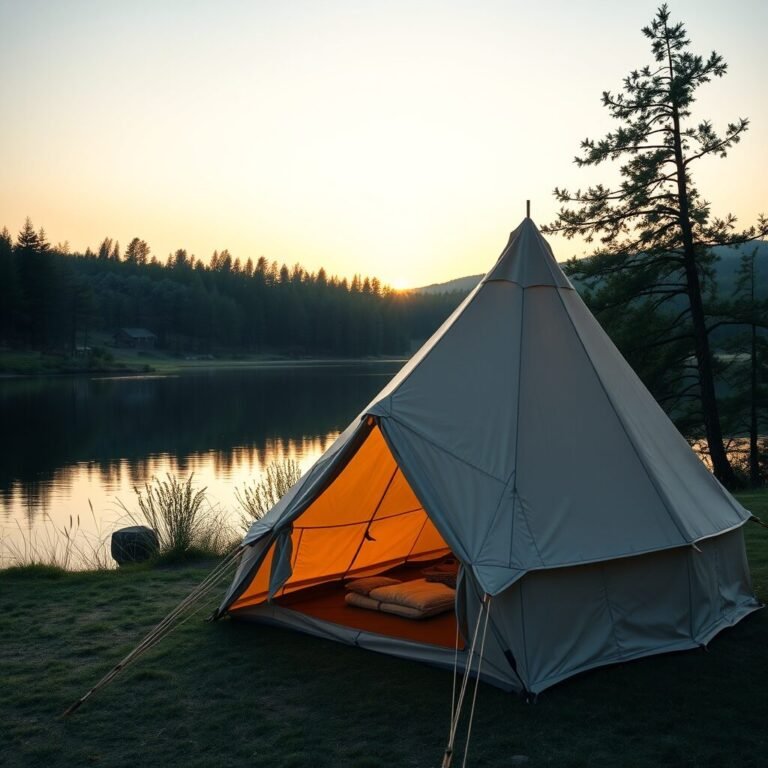
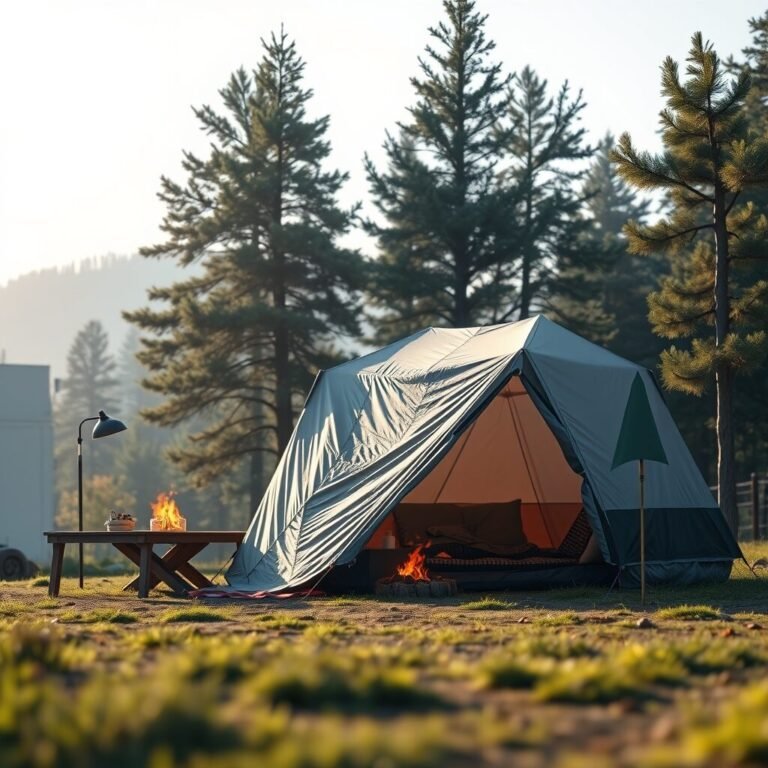
Picture this: You’ve set up your tent, the fire crackles, and a gentle glow drapes the trees, turning the woods into a cozy oasis. That ambiance? It’s all thanks to the right string lights. But one wrong choice can leave you fumbling in the dark or, worse, dealing with a short‑circuit. Below are the seven things you should steer clear of when hunting for the best string lights for campsites.
Avoid Cheap Batteries: Power That Fades Fast
Nothing kills campsite vibes faster than a string of lights that sputters out after an hour. Low‑cost alkaline batteries may look appealing, but they drain quickly under the cold night air. Opt for rechargeable LED string lights with built‑in lithium cells. They hold charge longer, stay warm in low temperatures, and you’ll save money in the long run.Don’t Forget Waterproof Ratings
Rain is a regular visitor on most camping trips. If your lights aren’t rated at least IP44, a sudden drizzle can short out the wiring. Look for lights labeled “waterproof” or “weather‑resistant” and double‑check the rating in the product specs. A quick test: run a hose over the cord for a few seconds—if it stays lit, you’re good to go.Skip Low Lumen Counts for Nighttime Navigation
Soft, decorative glows are great for ambience, but you’ll also need enough brightness to find your gear after dark. Aim for lights that deliver at least 100 lumens per strand. This level provides a warm glow without blinding your eyes and still lets you locate a flashlight or your campsite kitchen.Beware of Fixed Lengths That Can’t Adapt
Most campsites have irregular setups: trees spaced unevenly, poles of different heights, or a tarp shelter you need to wrap around. Fixed‑length strands force you to improvise with knots or risk leaving gaps. Choose adjustable or extendable string lights that let you add or remove segments on the fly.Steer Clear of Non‑Modular Designs
Modularity matters when you want to expand or shrink your lighting system. Some cheap sets come as a single, unbreakable loop—great until a knot damages the strand. Modular designs let you disconnect a faulty section without losing the whole array. Look for plugs or magnetic connectors that snap together easily.Ignore the Power Source Variety
Relying solely on USB‑charged packs can be limiting if you’re deep in the woods without a power bank. Conversely, pure solar sets may struggle on overcast nights. The smartest choice blends options: a set with both a rechargeable battery and a small solar panel gives you flexibility in any condition.Don’t Overlook Color Temperature
Warm white (2700‑3000K) mimics campfire light, fostering relaxation. Cool white (5000‑6000K) feels clinical and can strain your eyes at night. Some premium strings offer a switchable mode, letting you toggle between warm and cool tones. This feature is especially handy if you plan to use the lights for reading or cooking after dark.How to Choose the Right Set
Now that you know what to avoid, here’s a quick checklist for the best string lights for campsites:- Battery life: Minimum 8‑10 hours on a full charge.
- Waterproof rating: IP44 or higher.
- Lumen output: 100+ lumens per strand.
- Adjustable length: Ability to add or remove sections.
- Modular connectors: Easy plug‑and‑play design.
- Dual power options: Battery + solar preferred.
- Color temperature control: Warm and cool modes.