Last updated:
As an Amazon Associate I earn from qualifying purchases.
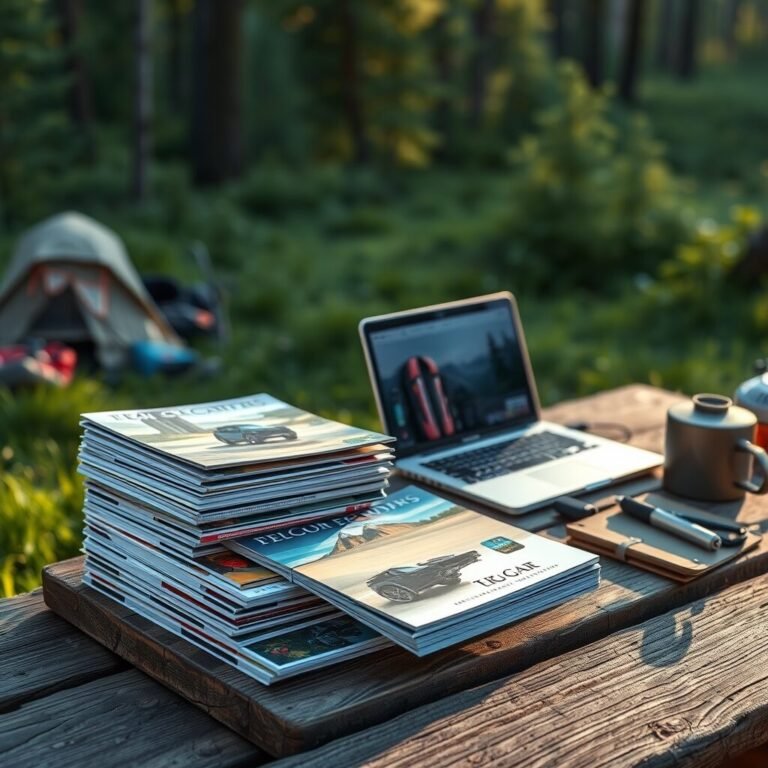
Finding honest outdoor gear reviews USA hikers can trust has become surprisingly tough in an era dominated by sponsored posts and automated lists. Every month, dozens of new packs, boots, tents, and stoves land on store shelves promising lower weights and higher durability. Yet, when you get out on a muddy Appalachian ridge or face a gusty night in the Rockies, those glossy product descriptions rarely tell the whole story.
Whether you are planning a weekend trip to a nearby state park or preparing for a multi-week trek, knowing how gear performs in real conditions is critical. When you rely on honest outdoor gear reviews USA outdoor enthusiasts write from actual trail experience, you avoid costly purchasing mistakes, unnecessary pack weight, and equipment failures far from the trailhead.
Why Gear Reviews Often Fail Outdoor Enthusiasts
Most commercial gear coverage suffers from three core issues: short testing windows, studio-based commentary, and incentives tied directly to affiliate sales or brand sponsorships. A jacket might earn five stars in an unboxing video, but five hours of continuous downpour in the Pacific Northwest reveals whether the waterproof membrane actually breathes or saturates.
Searching for honest outdoor gear reviews USA readers can count on requires looking past glossy marketing photo shoots. Real trail testing involves pushing zippers to their limits, pitching tents on uneven roots, and evaluating stitching after dozens of miles under heavy loads.
To make smart gear decisions, you need evaluations that discuss drawbacks as openly as features. A lightweight shelter might save precious ounces, but if its floor fabric tears easily on granite, you deserve to know that before pulling out your credit card.
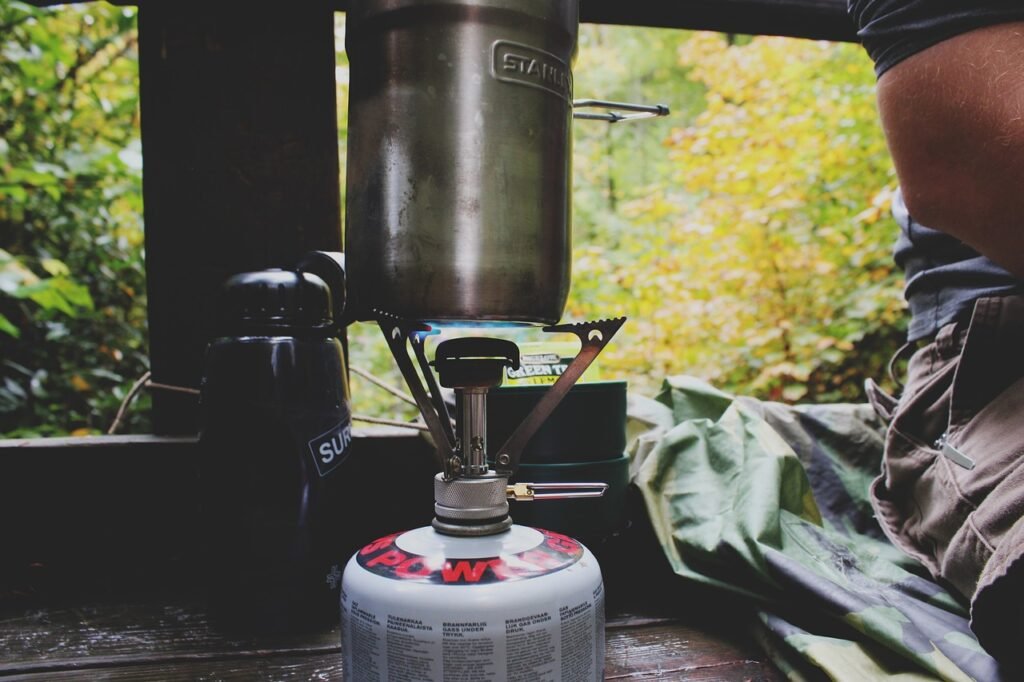
What Defines Genuine Field Testing?
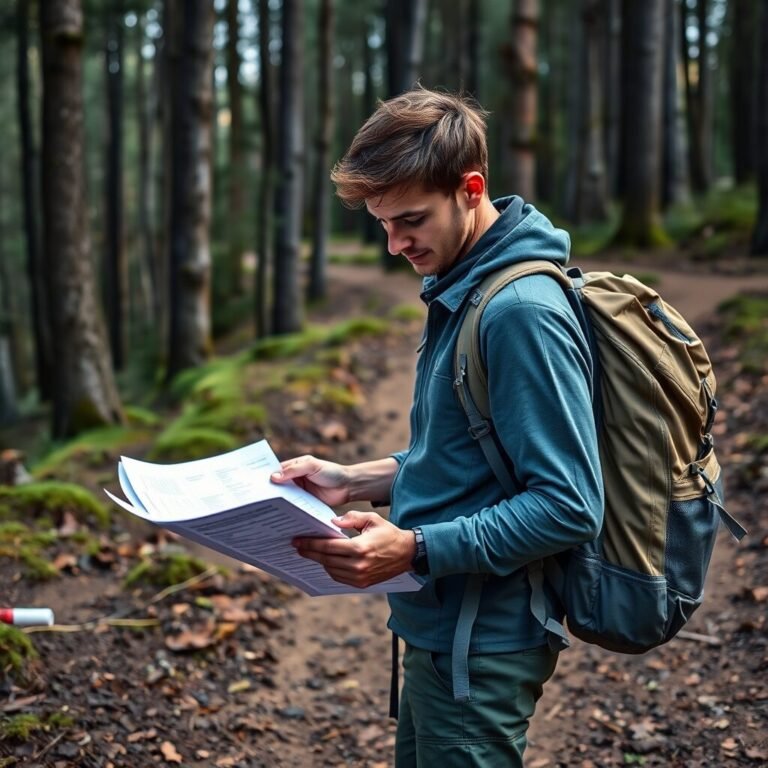
Good evaluators provide honest outdoor gear reviews USA adventurers rely on by testing equipment across varying weather conditions, elevations, and seasons. Gear behaves differently at high altitude than it does at sea level, and cold wind changes fuel consumption dramatically compared to a warm summer night.
Key Factors in Field Evaluation
- Real-World Conditions: Equipment should be tested in humidity, rain, dust, mud, and freezing temperatures rather than controlled indoor environments.
- Long-Term Durability: Zippers, seams, buckles, and waterproof coatings need repeated exposure to dirt and wear to prove their resilience.
- Ergonomics and Comfort: Carrying 30 pounds over ten miles exposes hot spots, strap slippage, and weight distribution problems immediately.
- Ease of Use: Setting up camp in pitch darkness while wearing gloves reveals whether design features are practical or overly complex.
That is why reading honest outdoor gear reviews USA creators produce with field-testing methodologies is essential for building a dependable kit. When evaluators take equipment on actual backcountry itineraries, they discover small design flaws that laboratory testing simply misses.
Evaluating Essential Backcountry Equipment
Building your gear loadout involves balancing three critical factors: weight, durability, and cost. While top-tier ultralight materials offer fantastic weight savings, they often come with high price tags and delicate care requirements.
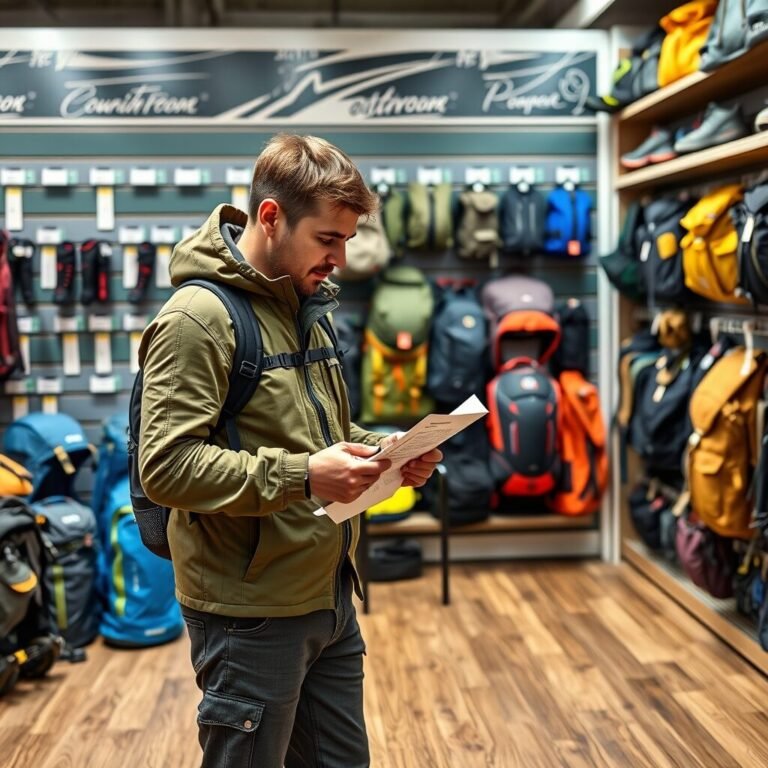
If you read honest outdoor gear reviews USA experts publish, you will quickly notice they highlight flaws just as clearly as benefits. For example, when searching for the best 2-person tents for USA camping, understanding vestibule size, pole hub geometry, and ventilation options matters far more than simply comparing advertised weight specs.
The same principle applies when building out your sleep system and kitchen setup. Pairing reliable ultralight backpacking stoves with versatile pots gives you efficient meal prep without adding bulk. Investing in quality synthetic sleeping bags or down quilts ensures you stay warm even when ambient humidity rises overnight.
For those building a full kit from scratch, exploring comprehensive guides to the best lightweight camping gear can help prioritize where to spend money and where budget options work just as well.

Footwear, Trekking Poles, and Safety Essentials
Your feet bear the weight of every step on the trail, making footwear choices paramount. Finding supportive waterproof hiking boots that match your foot shape and trail style prevents blisters and long-term joint strain.
To relieve pressure on knees during steep descents, pairing proper boots with sturdy poles makes a dramatic difference. Reviewing options among the best trekking poles helps hikers select flick-lock mechanisms and comfortable cork grips that stand up to rough terrain.
Safety equipment is another area where genuine insight is non-negotiable. Knowing what essential hiking survival gear to carry in your pack—such as reliable multi-tools, navigation aids, and emergency shelter blankets—provides peace of mind when weather conditions deteriorate quickly.
Always pack reliable illumination as well. Carrying compact, rechargeable headlamps ensures you can navigate or manage camp tasks safely if your day hike accidentally stretches into the evening hours.
How to Read Gear Reviews Critically
By prioritizing honest outdoor gear reviews USA backcountry travelers trust, you save money and stay safer on the trail. Here is a simple framework to evaluate any review you encounter online:
- Check the testing timeline: Did the reviewer use the product for months across multiple trips, or did they test it once in their backyard?
- Look for practical trade-offs: Every product involves compromises. If a review claims a product has no flaws, it is likely promotional content.
- Identify tester context: A thru-hiker needing a 1-pound shelter has vastly different needs than a weekend car camper looking for room to stand up.
- Verify photos and media: Real field photos show dirt, trail scuffs, and natural landscapes, not pristine gear resting on clean tables.
Ultimately, honest outdoor gear reviews USA outdoors lovers seek should guide you toward gear that lasts for years rather than disposable items that end up in landfills after two trips.
FAQ
How can I tell if an outdoor gear review is unbiased?
Look for specific details about long-term field testing, honest mentions of product flaws, and clear explanations of environmental conditions tested during the review process.
What are the most important pieces of gear to test before a major trip?
Boots, sleep systems, shelters, and water filtration units should always be thoroughly tested during short local trips before taking them into remote backcountry settings.
Is expensive outdoor gear always better?
Not necessarily. High price tags often reflect weight savings or extreme specialization, but mid-tier gear often delivers superior durability and value for casual weekend hikers.
Final Thoughts: Invest in Tested Equipment
Building an outdoor setup that serves you reliably season after season takes patience and research. By seeking out authentic reviews written by experienced hikers who test gear under real sky and weather conditions, you can assemble a light, comfortable, and durable kit without overspending.
Take the time to assess your specific hiking style, research critical gear categories, and choose field-proven items that will keep you safe, warm, and dry on every trail ahead.
Read also: Gear Reviews Benefits: What to Gain and Lose