
As an Amazon Associate I earn from qualifying purchases.
What Are Buying Guides, Really?
If you’ve ever felt overwhelmed staring at a wall of camping gear, buying guides exist to cut through the noise. At their core, buying guides are curated references that break down what to look for, what to skip, and why certain features matter more than others for your situation. They answer the questions you didn’t know to ask before you handed over your card.
Unlike a single product review, buying guides compare categories, explain trade-offs, and help you match tools to real scenarios. If you’re new to the outdoors, that perspective is gold because it stops you from chasing shiny specs that don’t fit your trips.

Why Beginners Rely on Buying Guides
Starting out means navigating jargon like “denier,” “BTU output,” or “torso length” without context. Good buying guides translate that language into plain decisions. They show you the difference between a budget option and a durable one, so you spend confidently instead of guessing.
For example, a buying guide for backpacks will teach you how frame type affects comfort on long trails, while a cookware guide clarifies why weight matters more than volume on short hikes. That education builds judgment you can reuse on every future purchase.
What Makes a Buying Guide Trustworthy?
Not all buying guides are equal, so check for a few markers before you trust one:
- Clear criteria listed up front
- Honest pros and cons for each option
- Updated info that matches current models
- No vague “best of” lists without explanations
Avoid guides that only push one brand or use thin affiliate links as their whole argument. The best buying guides still point you toward products you can buy, but they earn your trust with reasoning first.
How to Use Buying Guides Before You Shop
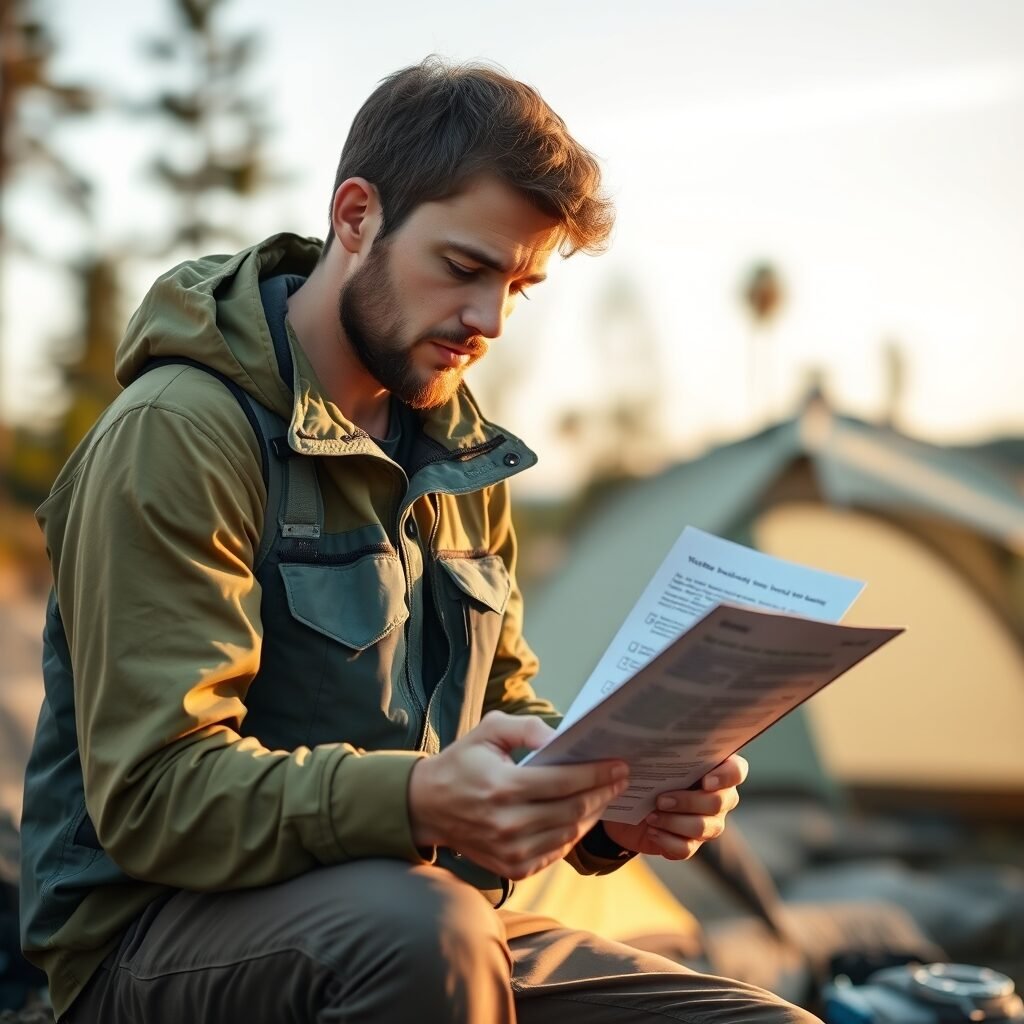
Start by listing your actual needs: trip length, climate, group size, and budget. Then find a buying guide that matches that scenario rather than a generic roundup. Compare two or three guides side by side, note where they agree, and flag where they diverge—that gap often reveals what you truly care about.
Once you’ve narrowed options, read recent reviews for real-world failures like zipper breaks or condensation issues that lab specs miss. This two-step process—guide first, reviews second—keeps your research focused and fast.
For beginners building a first kit, I often point readers to a solid lightweight camping gear overview, since it shows how core categories fit together before you buy piece by piece.
Product Types Worth Checking Out
While you’re research mode, these four categories tend to trip up newcomers:
- Camping cookware set — look for nested pots and a reliable burner
- Hiking backpack — prioritize fit system and pocket layout
- Insulated sleeping bag — match temperature rating to your coldest night
- Portable camping stove — consider fuel type and boil time
Each links to a broad search so you can compare models side by side without brand bias. Read the notes above those results so you know which specs actually matter for your use case.
Common Mistakes Beginners Make
One frequent error is copying someone else’s list without checking your own needs. Another is buying top-spec gear “just in case,” which adds weight and cost you’ll rarely use. The best buying guides help you right-size your kit from day one.
Also watch for “all-in-one” bundles that look cheap but include low-quality extras. A focused buying guide will show you which single item earns a higher price for better durability, and which you can skip entirely on early trips.
If you’re planning your first overnight, check the best solo camping gear for beginners list to see how these principles apply to a ready-made kit.
When to Revisit Your Buying Guide Approach
Gear evolves fast, so revisit your method every season or when you switch activities. A buying guide that helped you pick a tent last year may not cover current materials or weather ratings. Update your criteria as your skills grow, and keep a simple note of what worked and what didn’t.
Over time, you’ll internalize the patterns buying guides teach, and you’ll make faster decisions even without one in hand. That confidence is the real payoff of doing the homework early.
FAQ
Are buying guides worth reading before I buy gear? Yes—they save time and money by highlighting what actually matters for your needs.
Can buying guides help with expensive purchases? Absolutely, they walk you through specs, materials, and red flags so you don’t overpay.
How often should I revisit buying guides? Whenever a product category changes or you’re new to an activity.