Last updated:
As an Amazon Associate I earn from qualifying purchases.
Why a Fresh Look at Gear Review Mistakes Matters
When it comes to gear review mistakes, even seasoned adventurers can slip up. A single oversight—like glossing over durability or ignoring real‑world conditions—can turn a well‑intentioned write‑up into misleading advice. Readers rely on honest, detailed feedback to decide whether a backpack will survive a multi‑day trek or if a headlamp will hold up in a storm. This guide walks you through the seven most frequent gear review mistakes and shows you exactly how to sidestep them.
Mistake #1: Skipping Real‑World Testing
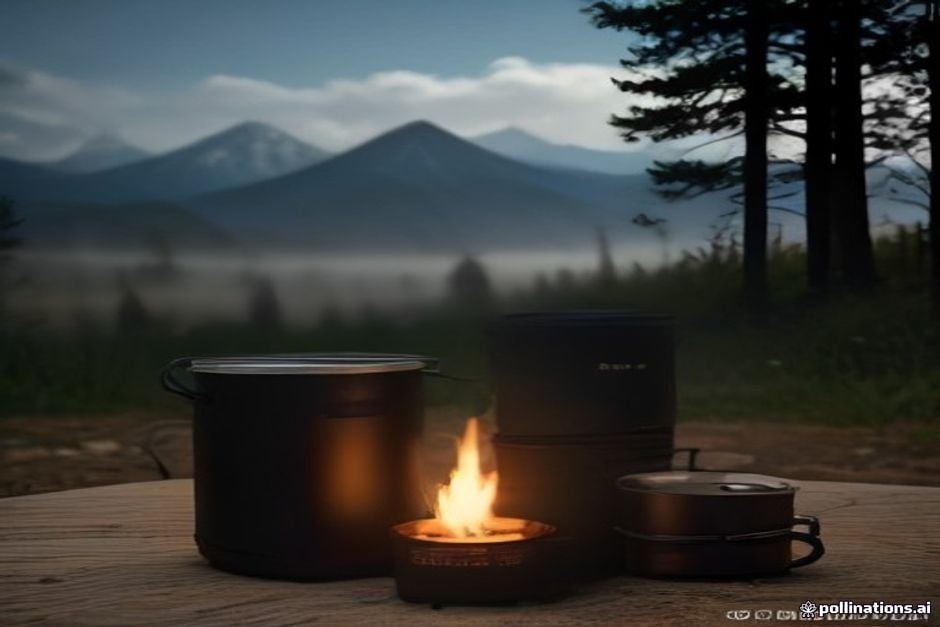
Lab specs are useful, but they don’t reveal how a product behaves on a muddy trail or under a night sky. Reviewers who rely solely on manufacturer data often miss critical performance gaps. To avoid this gear review mistake, plan at least one field test that mimics the conditions your audience will face. For example, if you’re evaluating a camping stove, fire it at a high‑altitude campsite and note any flame‑stability issues.
Tip: Document temperature, altitude, and weather. A quick log makes the review more credible and gives readers a reference point for their own adventures.
Mistake #2: Overlooking Fit and Comfort
Backpacks, boots, and even hydration packs can look perfect on the shelf but feel like a burden after a few miles. Ignoring ergonomics is a classic gear review mistake. Spend at least an hour walking with the gear, adjusting straps, and checking pressure points. If possible, involve a friend of a different body type to see how the product accommodates variations.
Practical step: Include a short “fit summary” that lists weight distribution, strap adjustability, and any break‑in period required.
Mistake #3: Relying on One‑Size‑Fits‑All Language
Broad statements such as “great for all hikers” mask the nuances that matter. This gear review mistake can mislead beginners and frustrate seasoned trekkers. Break down your assessment by skill level, trip length, and climate. A lightweight tent might be perfect for summer backpacking but a poor choice for a fall alpine expedition.
Example breakdown:
- Beginner day‑hikers – easy setup, forgiving materials
- Intermediate thru‑hikers – weight balance, durability
- Advanced alpinists – wind resistance, insulation
Mistake #4: Ignoring Long‑Term Durability
Most reviewers test gear for a single outing and then move on. That short‑term focus is a major gear review mistake. Durability shows up after weeks or months of use. When possible, borrow gear that’s been through several trips, or at least examine the stitching, abrasion‑resistant panels, and warranty claims history.
Useful metric: “Average lifespan reported by owners” (e.g., “users report 3‑5 years of heavy use before major wear”).
Mistake #5: Forgetting the Accessory Ecosystem
A high‑quality headlamp is only as good as the batteries you pair it with, and a sturdy trekking pole needs a reliable strap. Overlooking these supporting items is another common gear review mistake. Mention compatible accessories and any required add‑ons. Readers appreciate knowing whether a mount fits their existing setup or if a charger is included.
Linking out: For lighting accessories, see our Best Camping Lights for Tents in 2026 guide.
Mistake #6: Using Vague Ratings Without Context
“5 stars” looks impressive, but without explaining why, it becomes another gear review mistake. Pair numerical scores with brief justifications: “4/5 for water resistance – leaks under prolonged submersion.” This transparency lets readers weigh each factor against their priorities.
Mistake #7: Neglecting the “Value for Money” Angle
Price is a decisive factor, yet many reviews list a cost without discussing whether the performance justifies it. This omission is a subtle gear review mistakes that can erode trust. Compare the item to lower‑priced alternatives and highlight where the premium pays off (e.g., superior materials, longer warranty).
How to Write a Review That Hits the Mark
Now that we’ve exposed the seven common gear review mistakes, let’s turn them into a checklist you can follow on every write‑up.
- Plan a field test: Simulate real conditions, record data.
- Assess fit: Walk, sit, and move with the gear; note comfort.
- Segment your audience: Tailor advice to skill level and environment.
- Check durability: Look for wear signs, read warranty details.
- Address accessories: Recommend compatible add‑ons.
- Provide context for scores: Explain each rating.
- Discuss value: Compare price points and long‑term benefits.
Smart Gear Choices to Keep You On Track
If you’re still building your own review arsenal, consider focusing on four versatile product types that lend themselves to thorough testing:
- lightweight backpacks – test load distribution and durability.
- compact tents – evaluate setup speed, weather resistance, and interior space.
- waterproof hiking boots – check break‑in period, traction, and waterproofing.
- LED headlamps – measure beam distance, battery life, and ease of use.
Each of these categories offers clear performance metrics, making it easier to avoid the gear review mistakes we outlined.
Further Reading
Need inspiration for specific gear lines? Our Best Lightweight Camping Gear in 2026 guide breaks down ultralight packs and shelters, while the Hiking Survival Gear 2026 article highlights essential tools that survive rugged use.
FAQ
Q: How long should I test a piece of gear before reviewing it?
A: Aim for at least one full day of use in conditions that match the product’s intended environment. If possible, repeat the test on a second day to confirm consistency.
Q: Should I disclose affiliate links in my gear reviews?
A: Yes. Transparency builds trust, and most platforms require disclosure for any compensated links.
Q: Is it okay to review gear I haven’t purchased myself?
A: Absolutely, as long as you obtain it from a reliable source, conduct thorough testing, and clearly state the loan or borrowing arrangement.
Take the Next Step
Ready to sharpen your reviewing skills? Grab a piece of gear from the four product types above, run a real‑world test, and apply the checklist. Your next review will be richer, more reliable, and, most importantly, truly helpful to fellow adventurers.
Read also: 7 Common Buying Guide Mistakes and How to Dodge Them
Read also: Deal Review Mistakes: 7 Common Errors and How to Fix Them