As an Amazon Associate I earn from qualifying purchases.
Why a buying guide checklist matters
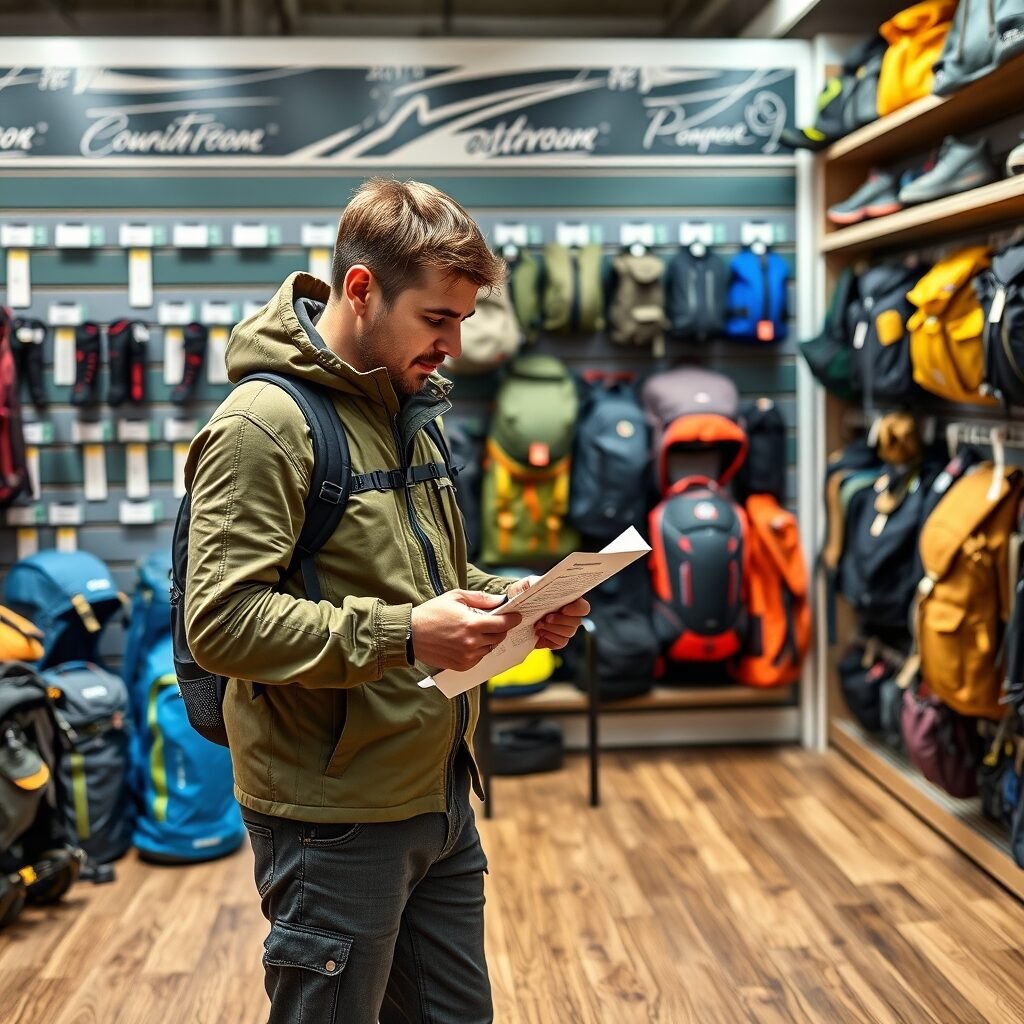
When you walk into a store or scroll through endless Amazon pages, the sheer volume of options can feel overwhelming. A buying guide checklist cuts through the noise by giving you clear criteria to evaluate each item. It also saves you from the classic buyer’s remorse that comes from impulse buys or vague wish lists.
Think about the last time you bought a piece of gear without a plan. Maybe the jacket looked cool, but it didn’t hold up in rain, or the stove was heavier than you expected. By documenting your priorities first, you ensure every purchase serves a purpose.
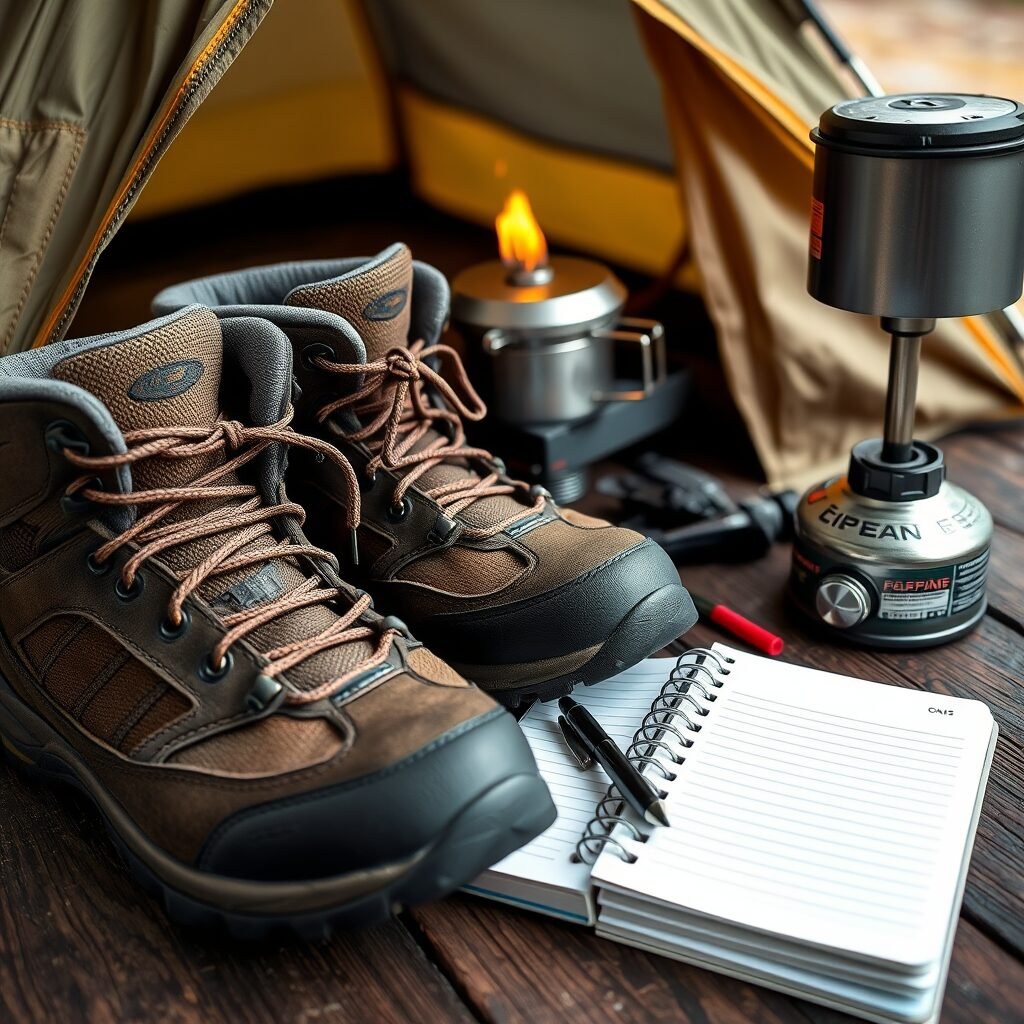
Step 1: Define the adventure you’re planning
Before you even glance at a product page, answer three simple questions:
- What terrain will you tackle? (mountain trails, desert dunes, forest loops?)
- How long will you be out? (day hike, weekend backpacking, month‑long thru‑hike?)
- What weather extremes might you face? (snow, heat, rain, high altitude?)
These answers shape the rest of your buying guide checklist. For instance, a lightweight backpack is essential for a long trek, while a compact camping stove matters more for weekend car camping.
Step 2: Set a realistic budget
Gear can range from a few dollars to a few hundred. Decide how much you’re willing to spend on each category before you start browsing. A practical tip: allocate a larger share to safety‑critical items (boots, shelter) and a modest share to accessories (headlamp, trekking poles).
Write those numbers into your buying guide checklist next to each gear type. When you see a product priced far above your limit, you can move on without guilt.
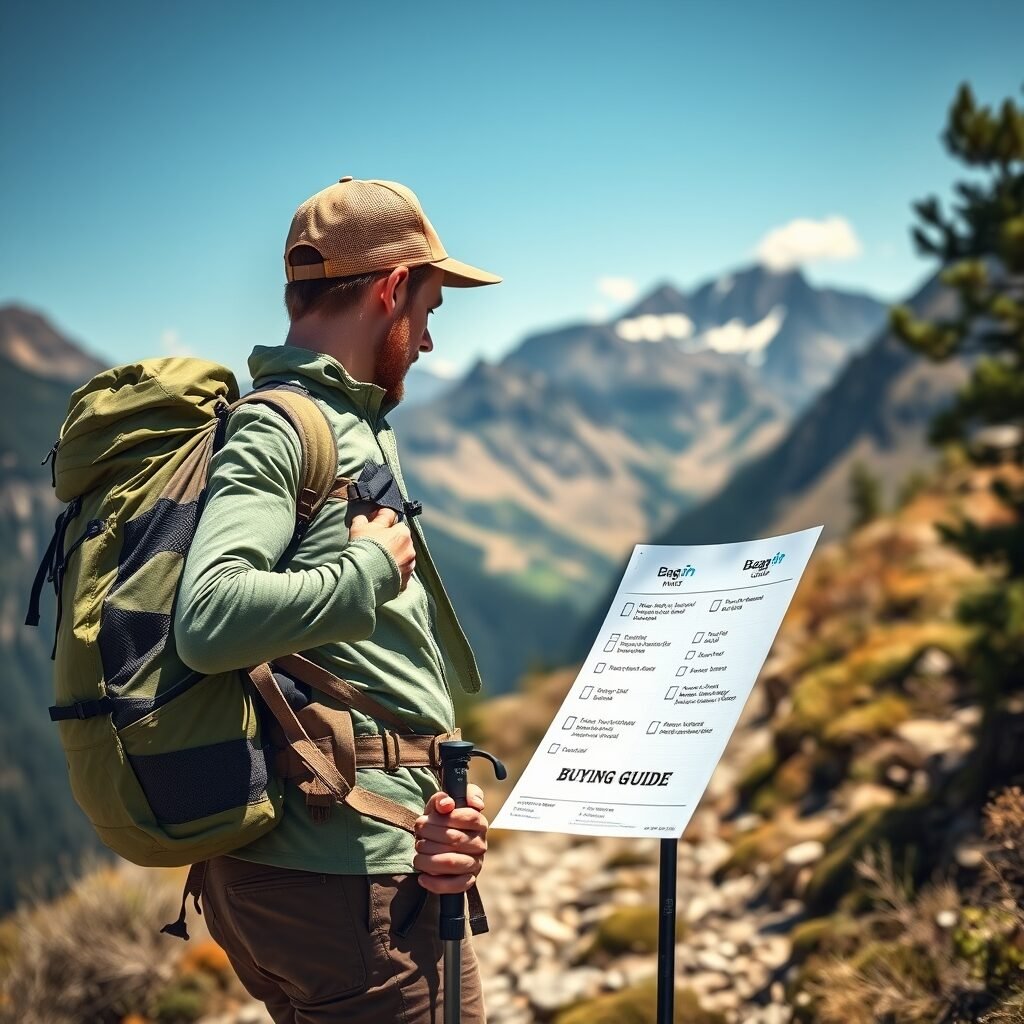
Step 3: Research core categories
Most outdoor adventures rely on five core gear families. Use your checklist to ask specific questions for each:
- Backpacks: Capacity, weight, suspension system, hydration compatibility.
- Footwear: Waterproof rating, sole grip, break‑in period.
- Cooking: Fuel type, boil time, packability.
- Lighting: Lumens, battery life, durability.
- Shelter: Season rating, weight, ease of setup.
Need inspiration for lightweight options? Check out our lightweight camping gear guide for a curated list of gear that won’t weigh you down.
Step 4: Compare features and reviews
Now that you have a list of must‑haves, dive into the details. Look for:
- Manufacturer warranties (a sign of confidence).
- User reviews that mention real‑world performance, not just marketing copy.
- Side‑by‑side spec tables that let you see weight, dimensions, and price at a glance.
When a product checks all the boxes on your buying guide checklist, flag it as a candidate. If reviews repeatedly note a flaw—like a headlamp that flickers in cold weather—cross it off.
For lighting, our best camping lights for tents article highlights models that performed well in low‑temp tests.
Step 5: Assemble your final list and make the purchase
Take the shortlisted items and run a final sanity check:
- Does each item still fit your budget?
- Do the pieces work together? (e.g., a 20‑liter backpack pairs well with a compact stove.)
- Is there a reputable retailer offering a good return policy?
Once you answer “yes” to all three, you’re ready to click “add to cart.” Keep a copy of your buying guide checklist in a note‑taking app so you can reference it on future trips.
Bonus: Keep your checklist alive
Your first checklist is a template, not a tombstone. After each adventure, revisit it:
- Mark gear that performed exceptionally.
- Note items that need replacement or upgrade.
- Add new categories as your pursuits evolve (e.g., adding “climbing harness” when you try rock climbing).
This habit turns a single purchase process into a lifelong habit of smarter, more purposeful buying.
FAQ
Q: How detailed should my buying guide checklist be?
A: Include enough specifics to compare items—like weight, price range, and key features—without drowning in minutiae. A concise table works well.
Q: Can I use the same checklist for different activities?
A: Absolutely. Just adjust the priority columns (e.g., emphasize waterproofing for river trekking versus weight for alpine climbing).
Q: Where can I find reliable user reviews?
A: Look beyond the retailer’s site; forums, Reddit threads, and third‑party review sites often provide candid field experiences.