Last updated:
As an Amazon Associate I earn from qualifying purchases.
Stepping into the great outdoors does not require spending thousands of dollars on equipment you might only use once or twice a year. Learning how to rent camping gear allows newcomers to experience wilderness adventures with top-tier equipment while keeping startup costs minimal and closets clutter-free. Whether you are organizing a weekend car-camping trip or preparing for your very first hiking adventure, this comprehensive guide explains everything you need to know about the gear rental process.
Why Renting Camping Gear Makes Sense for Beginners
Outfitting yourself for an outdoor trip can quickly feel overwhelming. Between tents, sleeping setups, cooking gear, and lighting, the upfront investment can easily discourage curious newcomers. Renting equipment bridges the gap between staying home and committing to expensive purchases before you even know what style of camping you prefer.
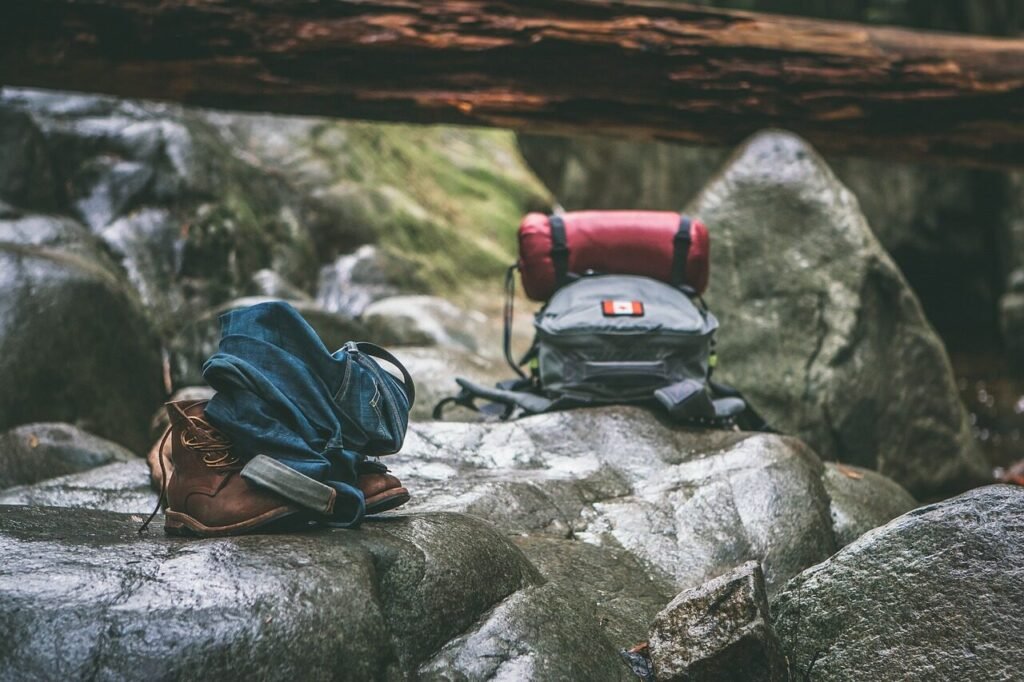
Here are several practical reasons why renting is often the smartest choice for novice outdoor enthusiasts:
- Significant Financial Savings: Purchasing high-grade, weather-resistant equipment costs a small fortune. Renting allows you to access premium gear from leading outdoor brands for a fraction of retail prices.
- Hands-On Field Testing: Reading reviews is helpful, but nothing compares to pitching a shelter in the wind or sleeping on an insulated pad in cool temperatures. Renting serves as an extended trial run so you can discover your personal preferences before buying.
- Zero Storage Hassles: Bulky four-person tents, sleeping bags, and camp furniture occupy significant closet, attic, or garage space. Renting is ideal for apartment dwellers and minimalist households.
- Convenience When Traveling: Flying with camping equipment often leads to oversized baggage fees and logistical headaches. By renting gear near your destination, you can land, collect your kit, and head straight to the trailhead.
Before renting, it helps to review a comprehensive list of essential camping gear for beginners so you understand how each item functions within your campsite system.
Where to Find Camping Gear Rentals
The outdoor rental economy has expanded rapidly over recent years, providing campers with multiple avenues to procure reliable gear. Depending on your location and itinerary, you can choose between several types of rental providers.
1. National Outdoor Co-ops and Retail Chains
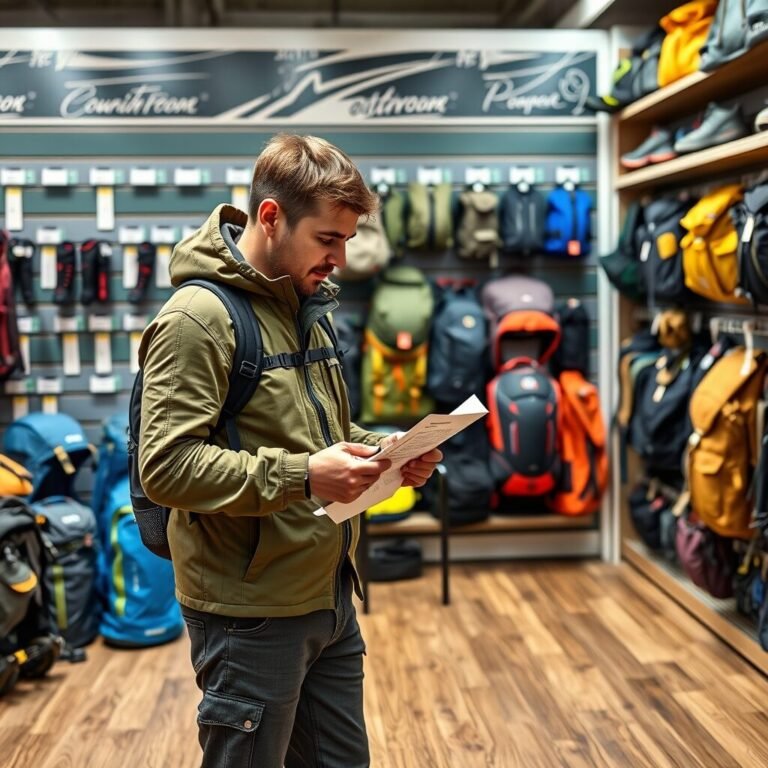
Large outdoor retail cooperatives and recreation chains frequently maintain dedicated rental departments in their brick-and-mortar stores. These programs typically offer well-maintained, brand-name gear. Staff members are generally experienced outdoors enthusiasts who can show you how to pitch the shelter or adjust a backpack suspension system before you leave the store.
2. Local Independent Outfitters
Gateway towns near national parks, state forests, and popular hiking corridors often host independent gear shops. Renting locally provides two major advantages: regional expertise and tailored equipment. Local outfitters know precisely what weather conditions you will encounter and can recommend suitable insulation ratings or wind-stable shelter designs for that specific terrain.
3. Online Mail-Order Rental Companies
If you do not live near an outdoor retailer, direct-to-door mail rental services are an excellent alternative. With these platforms, you select your equipment online, enter your trip dates, and the gear arrives at your doorstep a day or two prior to departure. When your trip concludes, you simply pack the items into the original container and attach a pre-printed prepaid shipping label to return them.
4. University Outdoor Programs
Many public and private universities manage campus recreation centers that rent equipment not just to students, but also to alumni and the general public. Campus rental rates are frequently lower than retail rates, making them an incredible hidden resource for budget-minded campers.
What Gear Should You Rent vs. Buy?
Not every outdoor item is well-suited for renting. The golden rule for beginners is to rent bulky, expensive, and technical gear, while purchasing smaller, personal, or consumable items.
Best Items to Rent
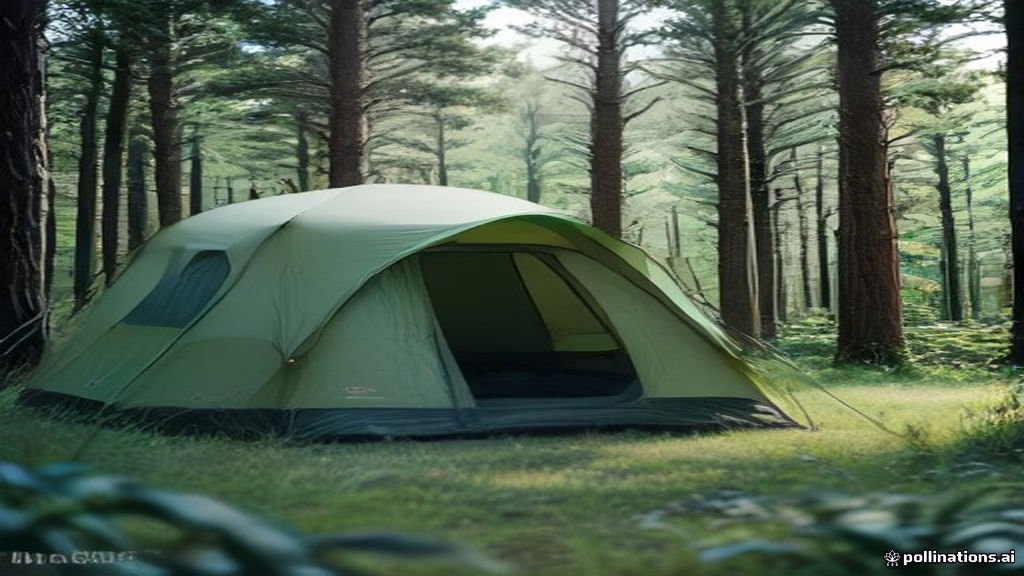
- Tents and Shelters: Quality tents are expensive, and shelter needs change depending on group size and season. Renting lets you test out cabin-style family shelters or lightweight backpacking designs without a permanent commitment. If you eventually decide to purchase your own shelter, you can browse reliable budget-friendly camping tents that balance durability with value.
- Sleeping Pads: Inflatable insulated pads prevent ground cold from sapping your body heat. Because comfort preferences vary widely between side and back sleepers, renting allows you to explore thickness and firmness levels.
- Camp Stoves and Cooksets: Multi-burner propane stoves and nested pots take up significant storage space at home and are perfect rental candidates.
- Backpacks: Technical packs must fit your torso length precisely. Renting allows you to test pack volume and suspension comfort on the trail.
Items You Should Probably Buy
- Personal Sleep Hygiene: While rental sleeping bags are laundered and sanitized between uses, many campers prefer owning their sleeping bag or pairing a rental bag with an inexpensive sleeping bag liner for peace of mind.
- Illumination: A dependable hands-free camping headlamp is affordable, lasts for years, and doubles as an emergency light at home.
- Health and Safety Supplies: Medical gear should never be rented. Always assemble or buy a dedicated camping first aid kit stocked with bandages, blister care, and necessary medications.
- Clothing and Footwear: Moisture-wicking base layers, wool socks, rain jackets, and broken-in trail shoes are personal items that require an exact, customized fit.
| Equipment Category | Recommendation | Primary Reason |
|---|---|---|
| Camping Tent | Rent | High initial cost; bulky to store at home. |
| Sleeping Pad | Rent | Great way to determine preferred thickness and firmness. |
| Camp Stove & Fuel Base | Rent | Expensive upfront; rented only as needed per trip size. |
| Headlamp / Lantern | Buy | Inexpensive to purchase; useful for home emergencies. |
| First Aid Supplies | Buy | Must remain sterile, fresh, and personalized to your needs. |
Step-by-Step Guide on How to Rent Camping Gear
Renting gear is straightforward, but taking an organized approach guarantees you receive the right items in working order. Follow these steps to ensure a smooth rental experience from reservation to return.
- Assess Your Trip Logistics: Determine the expected weather conditions, nocturnal temperatures, campsite style (drive-up versus walk-in), and party size. Understanding these basics prevents renting an ultralight setup when a spacious family car-camping tent would be far more comfortable.
- Reserve Early During Peak Season: Summer weekends and holiday holidays deplete rental inventories quickly. Book your gear two to four weeks in advance to secure the sizes and models you need.
- Inspect the Equipment at Pickup: Never drive away from the rental desk or unbox mail-order gear at your campsite without checking it first. Inspect tent fabric for tears, verify that all stakes and pole sections are included, check sleeping pad valves, and ensure stove ignition systems operate smoothly.
- Practice Setup Before Leaving: Pitch the rental shelter in your living room or backyard once before heading into the wild. Familiarizing yourself with pole attachments and rainfly clips in daylight ensures you will not struggle under rain or darkness at the campsite.
- Clean and Dry Gear Before Returning: Rental companies expect reasonable wear and tear, but they will charge steep cleaning or damage fees if you return a tent soaked with mud or packed away wet. Shake out pine needles, wipe off dust, and let damp fabric air-dry completely.
Mistakes to Avoid When Renting Outdoor Gear
Beginners often make simple operational missteps when handling rental gear. Reviewing common camping gear mistakes can keep you safe, comfortable, and free from penalty fees.
One frequent mistake is failing to inspect zipper tracks and seams before signing the acceptance sheet. If an item has pre-existing damage that you fail to report during pickup, you may be held financially liable upon return. Take a quick photo on your smartphone of any existing frayed fabric or bent stakes when you receive the gear.
Another common issue involves fuel compatibility. Rental stoves require specific canister types or liquid fuel bottles. Always confirm the fuel valve design with the rental staff so you do not buy incompatible canisters at the camp store.
Finally, never pack damp gear into storage sacks for extended periods. If it rains on the final morning of your trip, loosely fold the tent for the drive home, then open it in your garage or yard to dry fully before returning it. Packing away wet nylon triggers mold and mildew growth in as little as 24 to 48 hours, which almost always results in a complete replacement charge.
Frequently Asked Questions
Is rented camping gear clean and sanitary?
Reputable outfitters and rental services thoroughly inspect, clean, and sanitize gear between customers. Sleeping bags are washed or treated with specialized fabric sanitizers, and cookware is sterilized. If you have personal hygiene concerns regarding sleeping equipment, bringing your own lightweight liner is an easy, comfortable solution.
What happens if I accidentally damage rented gear?
Most outfitters offer optional gear insurance or rental protection policies for a modest daily fee. This coverage typically absorbs accidental wear, broken pole segments, or minor tears. If you decline insurance and significantly damage an item, you will generally be billed for professional repair or the depreciated replacement cost of the equipment.
Can I rent camping gear packages or bundles?
Yes. Most rental providers offer curated “camp kits” designed for solo adventurers, couples, or four-person families. These bundles typically include a matching tent, sleeping pads, sleeping bags, camp chairs, and a basic cooking setup, saving you money compared to renting individual items à la carte.
How far in advance should I reserve rental gear?
For standard weekday trips during spring and autumn, reserving a few days in advance is usually sufficient. However, if you are planning a trip over major summer holiday weekends or heading near premier national parks during peak season, reserve your equipment at least three to four weeks ahead to ensure availability.
Conclusion
Knowing how to rent camping gear removes the financial barrier to exploring the natural world. By choosing reputable outfitters, inspecting your kit before departure, and practicing basic equipment care, you can enjoy top-tier outdoor gear with complete peace of mind. Renting allows you to focus on scenic trails, crackling campfires, and starry nights while building the confidence to shape your own future outdoor adventures.
Read also: How to Waterproof Hiking Gear: Step-by-Step Guide