Updated for October 2026: a new section on "How to Protect and Maintain Your Camping Gadgets in the Wild", 2 corrected sentences added.
Why the Right Gadgets Matter for Beginners
New campers often underestimate how technology can simplify outdoor life. A reliable headlamp replaces a bulky lantern, a portable charger eliminates the panic of a dead phone, and a lightweight stove cuts cooking time in half. These essential camping gadgets also reduce the learning curve—less time spent troubleshooting means more time enjoying nature. In 2026, manufacturers have focused on battery efficiency, multi‑functionality, and packability, making it easier than ever to travel light without sacrificing capability.Top 8 Must-Have Camping Gadgets for 2026
1. Multifunctional Headlamp with USB Power Bank
Modern headlamps combine high‑lumens LEDs with a built-in power bank. Look for models offering at least 300 lumens, red‑light mode for night‑vision preservation, and a USB‑C port that can recharge a smartphone twice. The hands‑free design frees you for cooking, setting up a tarp, or reading a map after dark. Pair it with a compact headlamp with power bank for maximum versatility.2. Portable Solar Charger
Sunlight is the most reliable power source in remote areas. A fold‑out solar panel with a 10‑15 W output can top up your power bank, GPS, or Bluetooth speaker in a few hours. Look for weather‑proof, rugged designs that snap onto a backpack strap. Even on cloudy days, a high‑efficiency panel will trickle charge your essentials, keeping you connected without a generator.3. Lightweight Backpacking Stove
Gone are the days of clunky canisters. The latest canister‑less stoves use a piezo‑ignition system and burn a mixture of alcohol or solid fuel tablets. They’re under 4 oz, set up in seconds, and produce a simmer that’s perfect for dehydrated meals. Pair this with a compact backpacking stove to keep meals hot without adding bulk.4. Compact Water Filtration System
Safety starts with clean water. A squeeze‑style filter that fits inside a hydration bladder or a separate straw filter can remove 99.9 % of bacteria and protozoa. Many models now include a pre‑filter for sediment and a quick‑flush valve, meaning you spend less time waiting and more time exploring. Choose a portable filter system that connects directly to your hydration reservoir.5. Smart Emergency Beacon
When a trail goes off‑grid, a satellite messenger or personal locator beacon (PLB) becomes a lifeline. New 2026 models sync with smartphones, sending SOS signals, location data, and even basic health metrics. They’re waterproof, weigh under 5 oz, and require no subscription for basic distress alerts. A satellite emergency beacon is a small investment that can save lives.6. Collapsible Cooking Set
Instead of a bulky pot, opt for a silicone‑coated, collapsible cooking set that nests into a fist-sized pouch. These sets include a pot, lid, and a nested utensil, all heat‑resistant up to 400 °F. They’re dishwasher‑safe and pair perfectly with the lightweight stove, cutting down on pack weight by up to 30 %.7. Modular Gear Organizers
Think of zippered stuff sacks that snap together like LEGO blocks. Each sack can be color‑coded for clothing, electronics, or first‑aid items, making it easy to locate gear without rummaging. When you reach the campsite, you can simply pull out a “cooking” sack and have everything you need within arm’s reach.8. Compact Solar Camping Light
Lighting doesn’t have to be a power‑draining LED floodlight. A solar‑charged lantern that folds into a flashlight size offers adjustable brightness, a built‑in USB port, and a sturdy base for tabletop use. It’s perfect for late‑night reading or keeping the campsite illuminated without noisy batteries. Learn more about top solar options in our 3 Proven Solar Camping Lights That Actually Light Up the Night guide.Putting It All Together: A Sample Beginner Pack
Here’s a quick checklist that blends the eight gadgets into a cohesive system. Start with a 45‑L backpack, then add the headlamp/power bank combo, solar charger, and emergency beacon. Tuck the water filter into your hydration bladder, and store the stove, cooking set, and lantern in modular organizers. The result? A pack that stays under 12 lb, covers power, light, food, water, and safety—everything a first‑timer needs.Budget‑Friendly Alternatives
If you’re watching your wallet, the 10 Must‑Have Camping Accessories Under $30 post showcases affordable versions of many of these gadgets. For example, a basic LED headlamp paired with a cheap USB power bank can mimic the multifunctional model for half the price.Avoid Common Lighting Mistakes
Many newcomers over‑rely on a single lantern, leaving gaps in coverage and draining batteries fast. Our 7 Camping Lighting Mistakes Beginners Make (And How to Fix Them) article explains why layering light sources—headlamp, lantern, and solar light—creates a safer, more flexible campsite.Choosing the Right Tent to Complement Your Gadgets
A well‑ventilated, easy‑setup tent reduces the need for extra lighting and keeps gear dry. Check out our Best Tents for Beginners 2026 – Coleman vs Ozark Trail review to pair the right shelter with your tech arsenal.How to Protect and Maintain Your Camping Gadgets in the Wild
Investing in reliable electronics is only half the battle; knowing how to safeguard them against dirt, moisture, and temperature swings ensures they work when you need them most. Harsh outdoor environments present hidden hazards that can quickly ruin sensitive components.
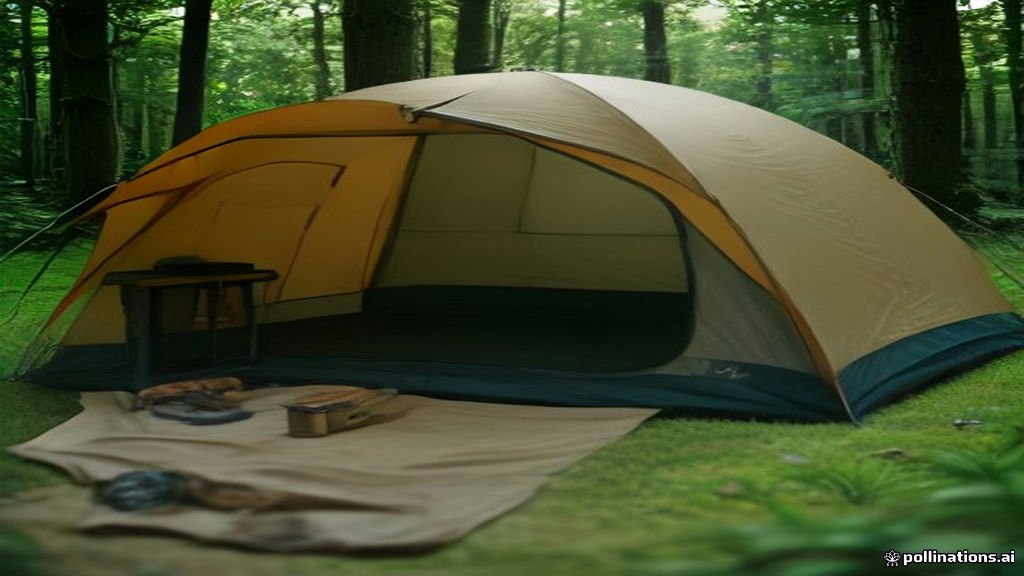
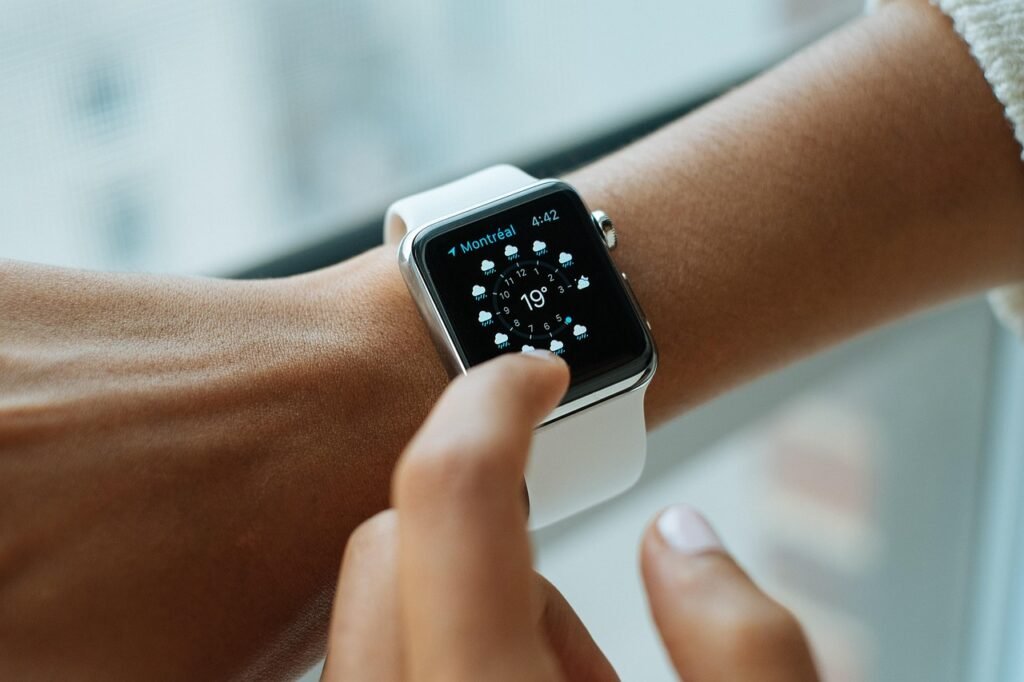
First, manage ambient temperatures. Frigid night air drains lithium-ion batteries rapidly. Slip your phone, headlamp, and power bank into your sleeping bag’s interior pocket or footbox overnight to keep them warm and preserve their charge. During sweltering afternoons, keep electronics out of direct sunlight and away from hot tent walls, as excessive heat permanently degrades battery life.
Second, defend against moisture and grit. Morning condensation and sudden rainstorms can short-circuit charging ports. Store all cables, chargers, and small devices inside sealed waterproof dry bags with a reusable silica packet to absorb ambient humidity. Keep protective port covers closed to block fine trail dust from clogging micro-connectors.
Finally, always inspect and fully charge your gear before leaving home. Pairing these simple care routines with our essential camping gear for beginners guide ensures your must-have camping gadgets deliver dependable performance on every adventure.