
Updated for October 2026: a new section on "How to Dial in Flame Control (Simmer, Boil, and Efficient Water Heating)", 2 corrected sentences added.
Why a Modern Portable Camping Stove Matters
Old‑school stoves were bulky, finicky, and often required a separate fuel canister that leaked in the rain. Today’s portable camping stove lineup embraces three trends:- Fuel flexibility: From ultra‑light canisters to refillable liquid fuel, you can match fuel to terrain.
- Weight savings: Titanium and aluminum alloys shave ounces off each burner.
- Smart controls: Integrated pressure regulators and simmer knobs give you restaurant‑level precision.
How to Match a Portable Camping Stove to Your Campsite
Not every campsite is created equal. Below, we break down the four most common scenarios and recommend the stove type that excels in each.1. Solo Backpacking – Ultralight Alcohol Stoves
If you’re counting every gram, an ultralight alcohol stove is hard to beat. They run on denatured ethanol, which you can buy in small bottles or even collect from campfire leftovers. Models weigh as little as 2 oz and fold flat, slipping into any pocket. Tip: Pair it with a solar camping light to keep your cooking area illuminated after dark without draining batteries.2. Two‑Person Car Camping – Canister Stoves
Canister stoves dominate family car camps because they’re clean, quick to ignite, and require no priming. Look for a model with a built‑in pressure regulator; it maintains steady flame even as the canister empties. A dual‑burner version lets you boil water while sautéing veggies simultaneously. Safety note: Store canisters upright and away from heat sources. A simple windscreen can double fuel efficiency on breezy evenings.3. High‑Altitude Trekking – Liquid‑Fuel Stoves
At elevations above 10,000 ft, canister pressure drops, compromising flame stability. A liquid‑fuel stove (white gas, kerosene, or a multi‑fuel blend) stays reliable because the fuel is pressurized by a pump, not ambient temperature. These stoves are slightly heavier but excel in extreme conditions. Remember to purge the system after each use to prevent clogging from mineral deposits.4. Group Cooking – Multi‑Fuel or Dual‑Burner Systems
When feeding a small crew, a multi‑fuel stove offers the flexibility to use canisters, liquid fuel, or even solid fuel tablets. Dual‑burner designs give you a “simmer” side for sauces and a “boil” side for pasta, cutting cooking time in half. Don’t forget a sturdy, heat‑resistant pot set—lightweight titanium works wonders here.Key Features to Evaluate Before You Buy
Even with a clear use‑case, a few universal criteria separate a reliable portable camping stove from a disappointment.- Fuel type & availability: Can you find refills along your route? In remote areas, liquid fuel may be the only option.
- Weight vs. performance: A 6‑oz canister stove offers more power than a 2‑oz alcohol stove, but the trade‑off matters on long treks.
- Burn control: Simmer settings prevent burnt coffee and allow delicate sauces.
- Wind resistance: Integrated windshields or the ability to attach a third‑party screen improve efficiency.
- Durability: Stainless steel burners resist corrosion; titanium bodies survive drops.
Top Picks for 2026 (By Category)
Below are the broad categories you’ll encounter on the market. Each bullet highlights what to look for; click the links for a quick Amazon search.- Ultralight Alcohol Stoves: Ideal for solo hikers; prioritize fold‑flat design and a stable base.
- Canister Stoves: Best for car campers; choose models with automatic ignition and adjustable flame.
- Liquid‑Fuel Stoves: Essential for high‑altitude adventures; seek a pressure pump and easy‑clean jet.
- Multi‑Fuel/Hybrid Stoves: Perfect for group trips; look for dual‑burner layouts and interchangeable fuel cartridges.
Integrating Your Portable Camping Stove with Other Gear
Cooking is only one piece of the campsite puzzle. Pair your stove with a few smart accessories to maximize comfort and safety.- Use a compact windscreen to protect the flame and save fuel.
- Store a lightweight firestarter kit nearby—matches, ferrocerium rods, and a small amount of tinder keep you ready for emergencies.
- Consider a magnetic pot stabilizer if you’re using a canister stove on a metal surface.
- Don’t overlook lighting: a headlamp with a red mode preserves night vision while you finish the last stir.
Maintenance Tips to Extend the Life of Your Portable Camping Stove
Even the toughest portable camping stove can suffer from soot buildup or fuel leaks. Follow these simple steps after each outing:- Let the stove cool completely before handling.
- Wipe the burner head with a soft brush and a little alcohol to remove residue.
- Inspect fuel connections for cracks; replace O‑rings if you notice leaks.
- Store the stove in a dry pouch; humidity accelerates corrosion, especially on aluminum parts.
Common Mistakes and How to Avoid Them
Even seasoned campers slip up. Here are three pitfalls that can turn a delicious meal into a fiasco.- Over‑filling the fuel canister: This can cause spillage and uneven pressure. Fill only to the recommended line.
- Using the wrong fuel type: Alcohol burns hotter than canister fuel; using the wrong mix can damage the stove.
- Neglecting wind protection: A gust can blow out the flame, wasting fuel and forcing you to relight in the dark.
How to Dial in Flame Control (Simmer, Boil, and Efficient Water Heating)
Most portable camping stove problems aren’t really “power” problems—they’re flame-control and efficiency problems. Start by matching your flame height to the task: a full blast boil is great for pasta water, but it wastes fuel for oatmeal, rehydrating meals, or melting butter. For simmering, aim for a gentle bubbling pattern rather than a rolling boil. If your stove has a simmer dial or regulator, turn it down gradually after ignition; sudden changes can cause incomplete fuel burn and soot.
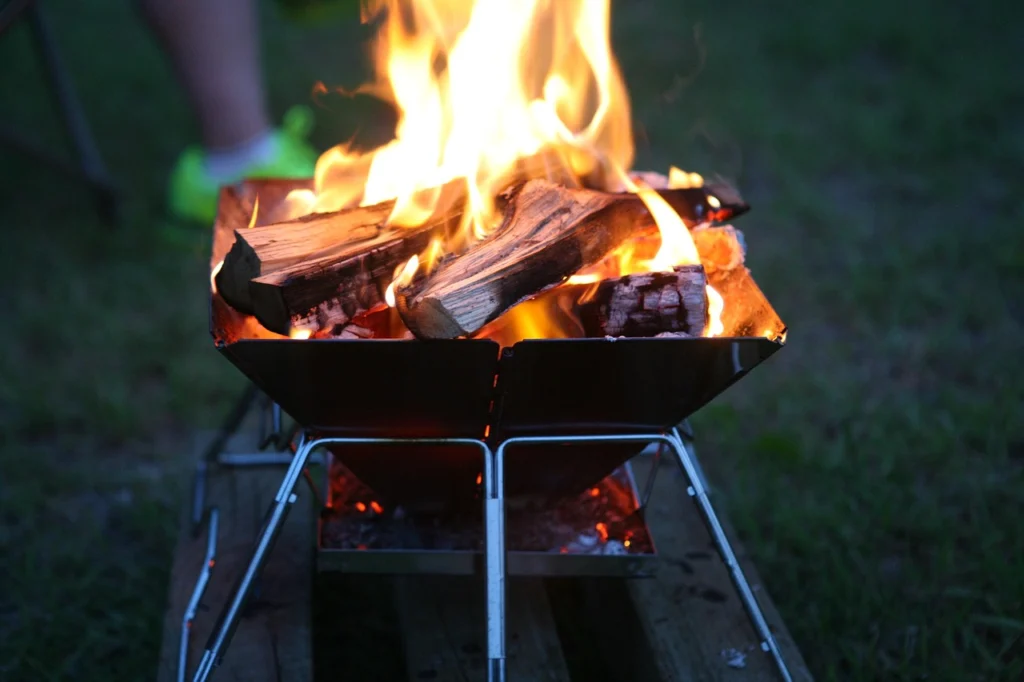
To heat water efficiently, use the right pot size. A pot that’s too large for the burner wastes heat up the sides and increases fuel burn. If you’re using a canister stove, keep the stove steady and centered—offset pots can create uneven heating and more flare-up. In wind, efficiency drops quickly, so shield the flame with a windscreen when safe; even a small improvement in flame stability can reduce how long you cook.
For more cooking-focused help, check best camping griddles if you plan to do breakfast or skillet-style meals alongside stove boiling.
Final Thoughts: Pick the Stove That Matches Your Adventure
The perfect portable camping stove aligns with your travel style, the terrain you’ll encounter, and how much gear you’re willing to carry. Whether you’re a solo ultralight enthusiast or a family of four gathering around a campfire, 2026 offers a stove that balances weight, power, and reliability. Take a moment now to list your top three priorities—fuel type, weight, and burn control—and match them to the categories above. Then, click the Amazon links to explore the options that fit your checklist. Happy cooking under the stars!FAQ
How do I choose the right portable camping stove for my trip? Consider fuel type, weight, simmer control, and the number of burners that match your cooking style and trip length. Are canister stoves safe to use in high‑altitude environments? Yes—modern canister stoves work well up to 14,000 ft, but check the canister rating and keep the stove upright. Can I use a portable camping stove with a windscreen? A windscreen improves efficiency on windy nights, just ensure it doesn’t block airflow or cause overheating.Also read: Best Camping Stoves for Windy Weather: 10 Picks for 2026