Updated for October 2026: a new section on "Water Filtration and Storage for Clean Backcountry Hydration" added.
- As an Amazon Associate I earn from qualifying purchases.
Ever set up camp under a sky full of stars only to realize you left the wrong kettle at home? That moment of scrambling for a missing essential is the exact reason we’ve rounded up the best overnight hiking accessories you can pack for your next trek. Whether you’re a weekend warrior or planning a multi‑day adventure, the right gear can turn a night in the backcountry from “just okay” to unforgettable.
Essentials for a Restful Night
Sleep is non‑negotiable when you’re logging miles on consecutive days. A good lightweight sleeping bag with an appropriate temperature rating is the cornerstone. Look for down fill for compressibility or a high‑quality synthetic that stays warm when damp. Equally important is a comfortable sleeping pad. An inflatable pad with an insulated layer adds a buffer against cold ground, while a closed‑cell foam pad offers durability for rugged terrain. Pair your bag and pad with a simple compact pillow to keep neck strain at bay. If you’re unsure about temperature ratings, our guide on sleeping bag temperature ratings breaks down how to match your gear to the climate you expect.Cooking Gear That Won’t Weigh You Down
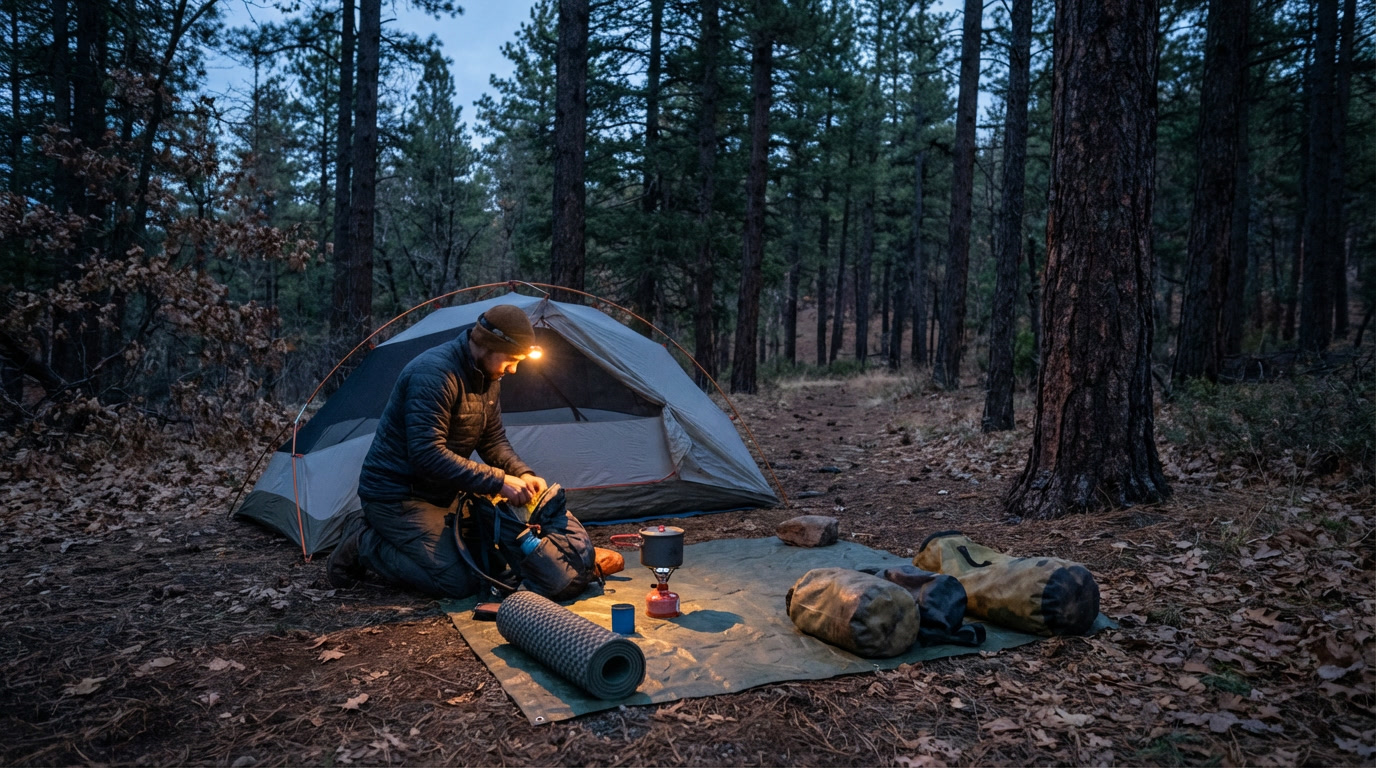
Nothing fuels a hike like a hot meal around a fire, but lugging a full kitchen is a recipe for sore shoulders. A ultralight backpacking stove that folds into a match‑box size is a game‑changer. Models that use canister fuel are quick to set up and burn clean, while alcohol stoves excel in simplicity and weight. Combine your stove with a collapsible cookware set—think silicone‑coated pots that snap together like puzzle pieces. Add a lightweight spork and you’ve got a full dinner solution that fits in a side pocket. Don’t forget a compact fire starter. A waterproof ferro rod or a batch of pre‑made tinder tabs can spark a flame even in damp conditions. For a deeper dive on fire‑starting tools, see our lighting mistakes guide.Lighting Solutions for Dark Trails
When daylight fades, reliable illumination becomes a safety issue. Headlamps top the list because they free your hands for cooking, setting up a tent, or navigating rocky terrain. Look for models with a red‑light mode to preserve night vision. If you prefer a stationary light source, solar camping lights are an eco‑friendly option that recharge during the day. Our review of solar camping lights highlights three models that actually brighten a campsite without draining your battery. For those moments when you need extra punch—like signaling for help—a compact LED lantern that runs off a USB power bank can be a lifesaver. Pair it with a portable power bank to keep electronics alive on longer trips.Safety and Navigation Tools
Even seasoned hikers benefit from a few low‑tech safety accessories. A basic first‑aid kit, sized for one person, should include bandages, antiseptic wipes, pain relievers, and a whistle. Pack it in a waterproof pouch to keep supplies dry. Navigation has moved beyond paper maps, but a compact compass remains a reliable backup. Pair it with a lightweight GPS device or a smartphone app stored offline. If you enjoy spotting distant peaks, a pair of compact binoculars for hiking adds a fun element to route finding. Finally, a sturdy multi‑tool with a knife, screwdriver, and pliers can handle everything from gear repairs to food prep. Choose one with a sheath that attaches to your pack’s exterior for quick access.Bonus: Comfort & Convenience Add‑Ons
Comfort doesn’t have to mean bulk. A quick‑dry towel that folds into a credit‑card size can double as a washcloth and a makeshift rain cover for your electronics. A lightweight quick‑dry towel is a small investment with big returns. For those who love a warm drink at sunrise, a collapsible coffee press fits into a side pocket and brews a solid cup with minimal fuss. And if you’re traveling with kids, a portable, inflatable camp cot can give them a dry surface to sleep on—especially useful in damp environments. Looking for budget‑friendly options? Our list of must‑have camping accessories under $30 showcases items that won’t break the bank but still earn a spot in your pack.Putting It All Together
Choosing the right overnight hiking accessories is about balance—lightweight, multifunctional, and reliable. Start with a solid sleeping system, add a compact cooking setup, secure dependable lighting, and round out your pack with safety tools and comfort upgrades. Test each piece on a short night hike before committing to a longer expedition; that trial run will reveal any hidden flaws.Water Filtration and Storage for Clean Backcountry Hydration
Clean drinking water is an absolute priority on any overnight hike, as carrying two full days of fluid on your back adds punishing pack weight. Integrating a reliable backpacking water filter lets you replenish safely from creeks, alpine lakes, and natural springs along the trail.
Squeeze-style hollow-fiber membrane filters remain the gold standard for overnight backpackers. They screw directly onto collapsible pouches or standard narrow-mouth water bottles, allowing you to drink instantly without waiting for chemical tablets to react. Gravity systems work exceptionally well if you are setting up camp with a group, letting you filter several liters hands-free while you pitch your tent.
In addition to filtration, think about your storage containers. Flexible reservoirs and wide-mouth bladders fold away to zero volume when dry, yet hold enough capacity to cover your camp cooking, morning coffee, and hydration needs between distant water sources. If you hike in colder weather or shoulder seasons, keep your filter element in your sleeping bag overnight to prevent freezing, which can permanently damage internal microfibers. For an in-depth breakdown of trail reservoirs and filtration setups, explore our guide to the best hydration gear for overnight hikes.
FAQ
What are the most essential overnight hiking accessories?
A reliable sleeping system, compact stove, dependable lighting, and a basic first‑aid kit cover the core needs for most overnight trips.How can I keep my gear lightweight without sacrificing comfort?
Choose multi‑function items—like an insulated sleeping pad that doubles as a seat—and prioritize ultralight materials such as titanium or down.Are there affordable options for quality overnight hiking accessories?
Yes, many high‑performing items are available under $30; see our guide to budget‑friendly gear for specific recommendations. Ready to upgrade your pack? Start by swapping out heavy, outdated items for the lightweight sleeping bag and stove options highlighted above. Your next overnight adventure will feel smoother, brighter, and far more comfortable.