Last updated:
As an Amazon Associate I earn from qualifying purchases.
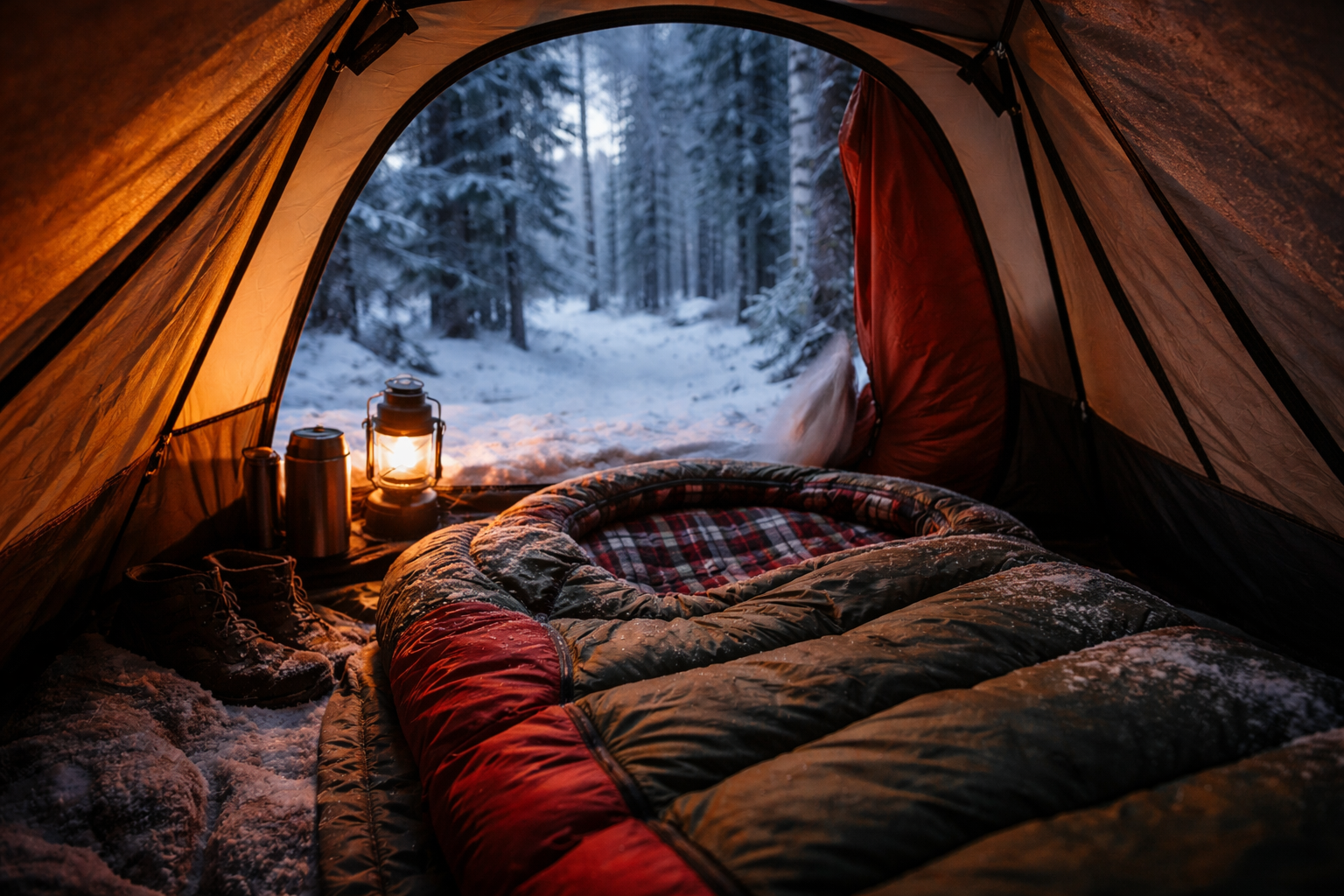
When the thermometer slides below zero, the last thing you want is a night spent shivering in a thin sack. A well‑chosen cold weather sleeping bag can turn a frosty campsite into a cozy refuge, letting you focus on the crackling fire and sunrise rather than numb fingers. Below, we break down the three key decisions that separate a miserable night from a restorative one, and we showcase the top cold weather sleeping bags that have earned their place on the trail.
Choosing the Right Cold Weather Sleeping Bags
The market is flooded with options, but three factors decide whether a bag will keep you warm on a January ascent:- Insulation type – down, synthetic, or hybrid.
- Shape and fit – mummy, semi‑mummy, or rectangular.
- Temperature rating system – comfort, limit, and extreme.
Down vs. Synthetic Insulation
Down offers the highest warmth‑to‑weight ratio, but it loses loft when damp. Modern high loft synthetic sleeping bags retain heat even after a snowstorm, making them a reliable backup. If you anticipate moisture—think early‑morning frost or a leaky bivy—synthetic may be the safer bet. Conversely, for alpine climbs where every gram counts, lightweight down sleeping bags provide unparalleled compression.Shape Matters
A mummy‑style bag hugs your body, eliminating dead space and maximizing heat retention. Semi‑mummy designs add a little extra room at the shoulders, which some campers find more comfortable for extended trips. Rectangular bags feel spacious but sacrifice warmth, so they’re best reserved for milder nights.Decoding Temperature Ratings
Most manufacturers use EN or ISO standards that list three numbers: comfort, limit, and extreme. The comfort rating tells you the lowest temperature at which an average sleeper feels comfortable. The limit rating is the lowest temperature at which a cold‑tolerant sleeper can survive. For winter camping, aim for a comfort rating at least 10 °F (≈ 5 °C) lower than the coldest temperature you expect. Our How to Choose a Sleeping Bag Temperature Rating (Beginner’s Guide) dives deeper into the math.Top Cold Weather Sleeping Bags for 2024
We tested dozens of bags in sub‑zero conditions, focusing on warmth, packability, and durability. Below are the four categories that consistently outperformed the rest.1. Ultra‑Light Down for Alpine Adventures
If you’re hauling a pack up a high‑altitude ridge, weight is king. Our favorite ultra‑light down bag offers a comfort rating of 0 °F (‑18 °C) while folding down to the size of a small lunchbox. The bag features a water‑resistant shell treatment, an internal draft collar, and a stow‑away hood that seals out wind without adding bulk.2. Heavy‑Duty Synthetic for Snow‑Bound Expeditions
For multi‑day treks where snow and moisture are inevitable, a heavyweight synthetic bag shines. This model maintains loft at temperatures as low as ‑20 °F (‑29 °C) and includes reinforced foot boxes and a dual‑zip system that lets you vent excess heat without exposing the entire interior.3. Hybrid Insulation for Versatility
Hybrid bags combine a down core with synthetic side panels. The result is a bag that stays warm when dry yet stays buoyant when wet. One standout hybrid features a removable quilt layer, allowing you to adapt the bag from a 20 °F (‑7 °C) night in a valley to a 0 °F (‑18 °C) summit camp.4. Budget‑Friendly Mummy for First‑Timers
New to winter camping? A well‑constructed mummy bag under $200 can still hit a 10 °F (‑12 °C) comfort rating. Look for features like a draft collar, insulated hood, and a durable, rip‑stop shell. Pair it with a sleeping bag liner to boost warmth without breaking the bank.Essential Accessories to Pair with Your Bag
Even the best cold weather sleeping bag can underperform without the right supporting gear.- Sleeping Pad – Choose an insulated, high‑R-value pad; it prevents up to 50 % of body heat loss.
- Bag Liner – Adds 5–10 °F of warmth and keeps the interior clean.
- Compression Sack – A high‑quality sack reduces pack size without crushing insulation.
- Thermal Socks and Gloves – Warm extremities mean a warmer core.
How to Test Your Cold Weather Sleeping Bag Before the Trip
Never assume a bag will keep you warm just because the label says so. Here’s a quick field test:- Set up a tent in a shaded spot on a chilly night (ideally below the bag’s comfort rating).
- Wear your typical base layers, put on the bag, and sleep for at least two hours.
- Wake up and assess how quickly you can move without feeling numb.
- If you’re uncomfortable, add a liner, a hat, or a supplemental blanket.
Putting It All Together: Your Winter Camping Checklist
When you’ve selected the ideal cold weather sleeping bags, integrate them into a broader checklist:- Bag rated at least 10 °F lower than forecast low.
- Insulated sleeping pad with R‑value ≥ 4.
- Moisture‑wicking base layers and insulated mid‑layers.
- Headlamp with spare batteries (check out best solar camping lights for a sustainable option).
- Sturdy tent rated for wind and snow load.