Best Hiking Gear for Beginners: Complete 2026 Guide
By Azad · Jan 16, 2026 · 7 min read
Updated for October 2026: a new section on "Common Beginner Gear Mistakes to Avoid", 1 corrected sentence added.
As an Amazon Associate I earn from qualifying purchases.
Finding the best hiking gear for beginners can feel like decoding a maze of specs and sales pitches. The good news? You don’t need a mountain‑climbing budget or a PhD in outdoor engineering to get started. In the next few minutes you’ll walk away with a clear, item‑by‑item checklist, real‑world price pointers, and a few pro tricks that keep you comfortable and safe on your first trail.
Core Gear Checklist: What Every New Hiker Needs
Below is the bare‑minimum list that covers safety, comfort, and versatility. Each category includes a brief why‑it‑matters and a suggestion for the type of product you should look for.
Backpack
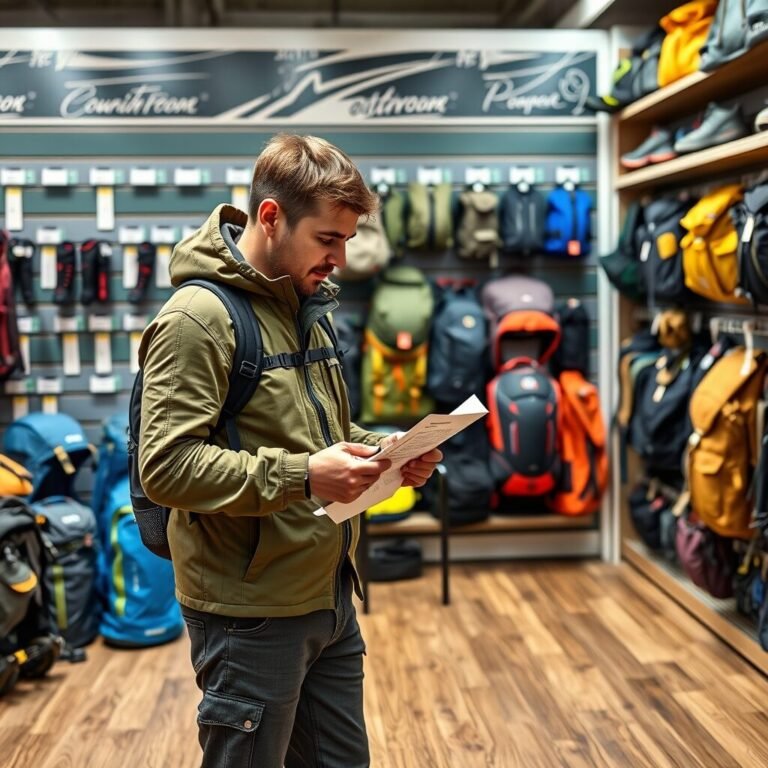
A properly sized hiking backpack is the backbone of your load‑out. For day hikes, aim for 20–30 L; for overnight trips, 35–45 L strikes the right balance between capacity and weight. Look for padded shoulder straps, a breathable back panel, and at least one external attachment point for trekking poles.
Footwear
Invest in a pair of supportive trail shoes or lightweight boots that match the terrain you plan to tackle. Waterproof membranes keep your feet dry on soggy paths, while a rock‑plate adds protection on rugged terrain. A well‑fitted shoe reduces blisters and lets you focus on the view instead of sore feet.
Clothing Layers
Layering is the secret to staying comfortable when the weather flips. Start with a moisture‑wicking base layer, add an insulating mid‑layer (fleece or down), and finish with a waterproof, breathable shell. Pack a hat and a pair of gloves even for summer hikes at higher elevations—the wind can turn chilly fast.
Hydration System
Staying hydrated is non‑negotiable, and the best hydration bladders for hiking make sipping on the move effortless. Look for a bladder that holds 1.5–2 L, has a bite valve with a lock, and a hose that runs cleanly into the pocket of your pack. If you prefer bottles, a 1‑liter insulated bottle works well for short trips.
Navigation Tools
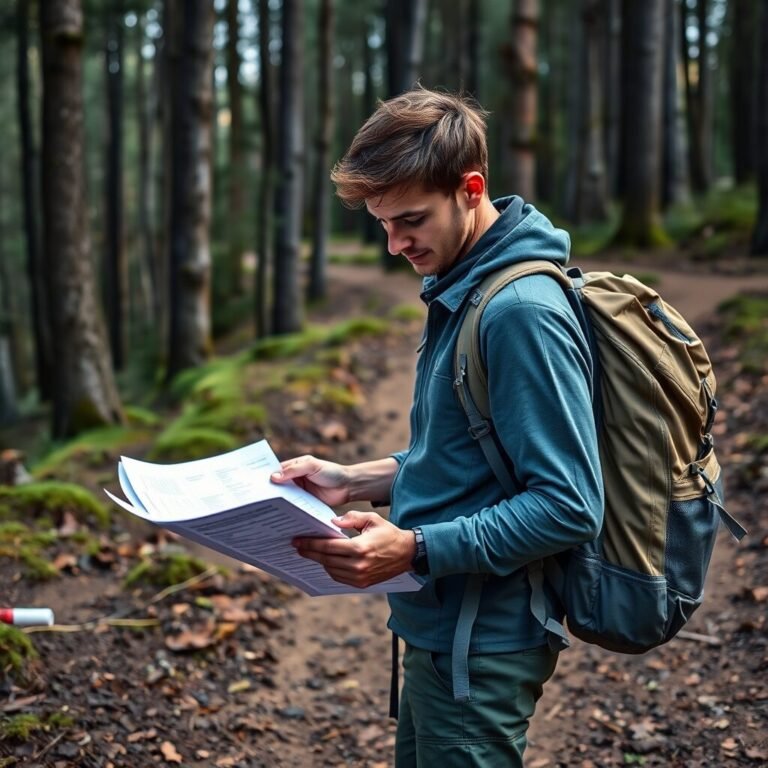
Even if you rely on your smartphone, a paper topographic map and a compact compass are cheap, lightweight, and don’t need a battery. For longer treks, consider a handheld GPS unit that can upload GPX tracks and provide turn‑by‑turn directions.
Lighting
Nightfall can arrive sooner than you expect. A headlamp with at least 200 lumens and a rechargeable battery gives you hands‑free illumination for camp setup or unexpected delays. Pair it with a small portable water filter to keep your water clean without bulky bottles.
Safety Essentials
First‑aid kits, a multi‑tool, and a whistle are the triad of emergency basics. Choose a compact kit that includes bandages, antiseptic wipes, and blister treatment—nothing heavy, but enough to address minor injuries. A whistle can signal location if you become lost.
Optional Extras
Once you’ve mastered the basics, you might add a few upgrades: trekking poles for joint support, a lightweight sleeping pad for overnight trips, or a set of compact binoculars to scout distant vistas. For those interested in night photography, a solar camping light can double as a power source for a small camera.
Photo by Sponchia on Pixabay
Choosing Gear That Grows With You
The best hiking gear for beginners should be adaptable. Rather than buying a specialist item for a single hike, select gear that can handle day trips, weekend backpacking, and even a light summit attempt. For instance, a 35‑L backpack can be compressed for day hikes but expands to hold a sleeping bag and stove for a two‑night outing.
When evaluating a product, ask these three questions:
Can I use it in multiple seasons or conditions?
Does it add weight that I can justify with added function?
Is it within my current budget without compromising safety?
If the answer is “yes” to at least two, the item earns a spot in your kit.
Budget‑Friendly Strategies
Starting out doesn’t require a six‑figure investment. Here are three ways to stretch each dollar while still getting the best hiking gear for beginners:
Shop off‑season sales. Many outdoor retailers slash prices on jackets and boots in late summer.
Buy gently used. Reputable consignment stores often have lightly worn gear at a fraction of retail.
Prioritize multi‑use items. A sturdy backpack can also serve as a travel day bag, reducing the need for a separate suitcase.
Putting It All Together: Packing for Your First Hike
With the best hiking gear for beginners in hand, the next step is mastering the art of packing. Follow this simple sequence:
Lay out all items. Visually confirm you have each checklist piece.
Place heavy items low and centered. This improves balance and reduces strain on your hips.
Organize by accessibility. Keep the rain jacket and headlamp at the top for quick reach.
Fill empty spaces. Stuff socks or a small first‑aid kit into gaps to prevent shifting.
Before you head out, test the load by walking around your house or driveway. Adjust straps until the pack feels snug but not restrictive. A well‑balanced load can shave minutes off your stride and prevent early fatigue.
Real‑World Example: A 2‑Day Beginner Trip
Imagine you’re planning a weekend trek to a nearby state park. Here’s how the best hiking gear for beginners translates into a practical pack list:
Backpack: 35‑L with rain cover
Footwear: Waterproof trail shoes, plus breathable camp shoes
Clothing: Base layer, fleece jacket, waterproof shell, hat, gloves
Hydration: 2‑L bladder + 0.5 L insulated bottle
Navigation: Topo map, compass, smartphone with offline map app
Lighting: LED headlamp (200 lumens) + solar camping light for camp
This setup weighs roughly 10–12 lb, a comfortable load for a beginner who wants to stay agile on the trail.
Maintenance Tips to Extend Gear Life
Great gear lasts longer when you care for it. Here are quick maintenance habits for the best hiking gear for beginners:
Clean after each use. Rinse shoes, wipe down backpacks, and let damp items air dry.
Store in a dry, cool place. Avoid direct sunlight which can degrade fabrics and coatings.
Inspect seams and zippers. Repair small tears before they become costly failures.
Re‑waterproof. Reapply a DWR spray to jackets and pants annually.
By treating your gear kindly, you’ll keep it performing at peak levels for many seasons to come.
Common Beginner Gear Mistakes to Avoid
Equipping yourself with the right kit is only half the battle; knowing how to use it—and what to leave behind—is just as crucial. New hikers frequently make predictable missteps that add unnecessary weight and discomfort to their trek. Here are the most common pitfalls to sidestep:
Wearing cotton clothing: Cotton holds moisture against your skin, leaving you chilled when the wind picks up and prone to painful chafing. Stick to quick-drying synthetic fabrics like polyester, or invest in breathable merino wool hiking socks and base layers.
Hitting the trail in untested footwear: Never embark on a full-day hike in brand-new boots or trail shoes. Break them in around the house or on short neighborhood walks first to identify pressure points before they become debilitating blisters.
Overpacking out of anxiety: Carrying heavy camp luxuries or duplicate tools drains your energy quickly. Weigh every non-essential item critically before adding it to your pack.
Skipping gear practice at home: Learn how your headlamp buttons work, test your water filter, and download your offline trail maps before leaving cellular service.
What is the most important piece of gear for a beginner hiker?
A well‑fitted pair of trail shoes is the foundation; it protects your feet and sets the tone for the entire hike.
How much should a beginner expect to spend on essential hiking gear?
You can assemble a solid starter kit on a modest budget by prioritizing quality footwear, a comfortable daypack, and versatile layering pieces.er $300 by focusing on versatile, budget‑friendly items.
Do I need a GPS device or is a smartphone enough?
A smartphone with offline maps works for most day hikes, but a dedicated GPS unit adds reliability in remote areas.
Armed with the best hiking gear for beginners, you’re ready to step onto the trail with confidence. Start small, invest wisely, and let each hike teach you what upgrades truly matter. Your next adventure is only a pack away.