As an Amazon Associate I earn from qualifying purchases.
Choosing the right outdoor apparel can transform a wet, miserable afternoon on the trail into an invigorating adventure in the elements. If you have ever hiked three miles in denim jeans during a sudden rain shower, you already understand how quickly regular street clothes can turn heavy, cold, and uncomfortable. Everyday garments are designed for climate-controlled offices and short strolls on sunny sidewalks, not for variable weather or high physical exertion.
Technical garments exist to solve those exact problems. Unlike conventional fashion, performance clothing manages your body temperature, transports sweat away from your skin, and shields you from punishing wind and precipitation. Understanding how these pieces work together gives you the confidence to explore farther without risking your comfort or safety.
What Exactly Is Outdoor Apparel?
At its core, outdoor apparel refers to purpose-built clothing engineered specifically for recreational activities like hiking, backpacking, camping, climbing, and trail running. While casual clothing emphasizes aesthetics and initial tactile softness, outdoor clothing prioritizes functionality, climate control, durability, and weight.
Every piece of technical outdoor apparel serves one or more of four fundamental jobs:
- Moisture management: Pulling sweat away from your skin to prevent chills during breaks.
- Thermal regulation: Trapping warm air generated by your body to maintain a steady core temperature.
- Environmental defense: Blocking external hazards such as wind, rain, snow, ultraviolet radiation, and abrasive trail obstacles.
- Mobility and comfort: Offering ergonomic cuts, gusseted seams, and mechanical stretch so you can climb over rocks and duck under branches without restriction.
The Three-Layer System Explained
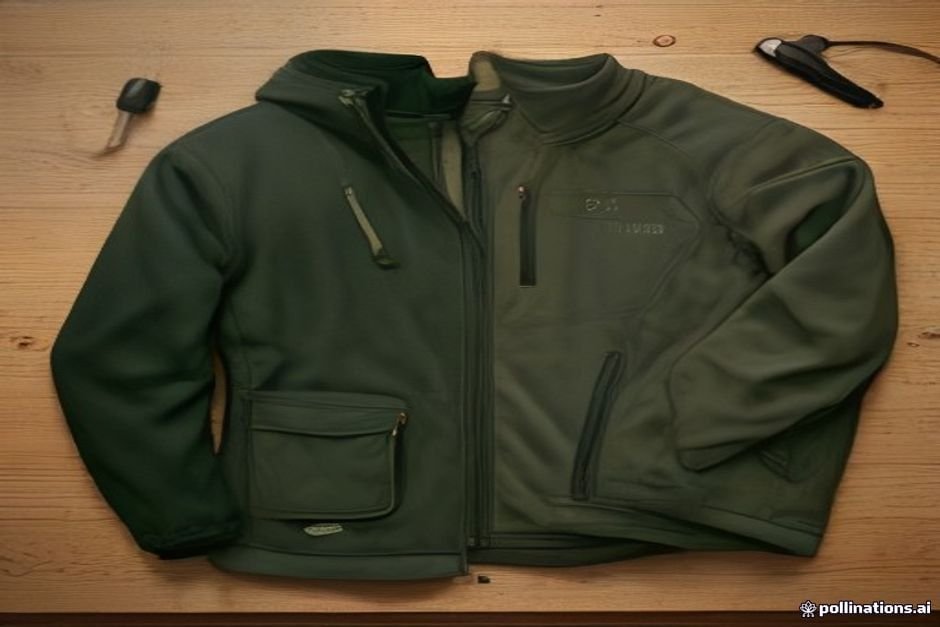
The golden rule of dressing for nature is layering. Rather than wearing one heavy coat, experienced explorers rely on a versatile system of distinct, lightweight garments. This approach lets you add or remove pieces as your activity level and the ambient temperature change throughout the day.
1. The Base Layer: Moisture Transport
When building your outdoor apparel system, your base layer sits directly against your skin. Its primary mission is not to keep you warm, but to keep you dry. When you hike uphill, your body produces sweat to cool down. If that moisture remains on your skin when you stop to admire a viewpoint, cold air quickly saps your body heat.
A high-quality merino wool base layer or a moisture-wicking polyester crew pulls sweat off your pores through capillary action and spreads it across the fabric surface where it can evaporate quickly.
2. The Middle Layer: Insulation
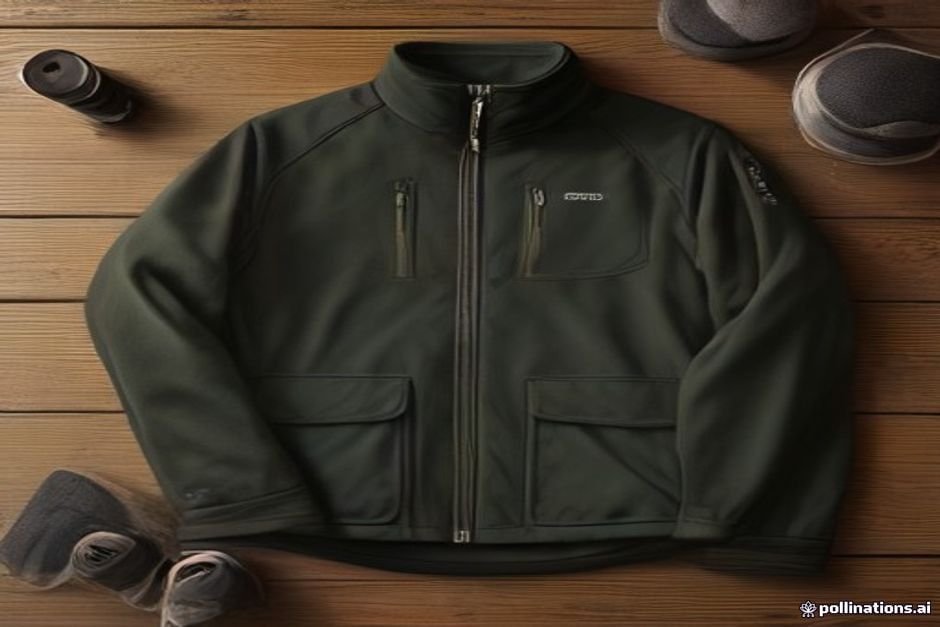
The mid-layer functions as your personal heating system by trapping pockets of warm air in its fibers. Depending on how cold the day is, your mid-layer might be a lightweight grid fleece, a dense knit pullover, or an insulated puffy jacket. Because fleece remains breathable while keeping you warm, it serves as a staple piece of outdoor apparel for active days in crisp weather.
When temperatures drop substantially, consider a packable synthetic or down jacket. If you are curating gear for frigid conditions, pairing a solid mid-layer with cold weather camping gear ensures you stay safe through freezing nights.
3. The Outer Layer: Weather Protection
The outer layer, commonly called the shell, is arguably the most protective component of outdoor apparel. It shields your insulating layers and base layers from wind and precipitation. Without a proper shell, a cold gust can strip away all the warm air your mid-layer worked so hard to trap.
Outer layers generally fall into two categories: softshells and hardshells. Softshells are water-resistant, flexible, and highly breathable, making them great for high-output activities in mild conditions. Hardshells, such as a dedicated waterproof rain jacket, feature specialized waterproof membranes that keep driving rain and snow completely out while still allowing vaporized sweat to escape.
Key Fabrics: Why Materials Matter
The materials chosen by manufacturers dictate how technical clothes perform under stress. Natural fibers and engineered synthetics each bring clear advantages to the table.
Three primary materials define modern outdoor apparel:
- Merino Wool: Sourced from fine-wool sheep, merino is naturally antimicrobial, meaning it resists odors even after multiple days of continuous wear. It can absorb moisture without feeling wet to the touch and retains its insulating ability even damp.
- Polyester and Nylon: These synthetics are the workhorses of the trail. Polyester dries exceptionally fast and resists shrinking. Nylon provides exceptional abrasion resistance, making it ideal for the exterior of shells, backpacks, and rugged trail pants.
- Down vs. Synthetic Insulation: Goose or duck down offers the best warmth-to-weight ratio available, compressing down to the size of a grapefruit. However, natural down clumps and loses its insulating loft when wet. Synthetic insulation mimics down clusters, dries faster, and still provides warmth if moisture penetrates the shell.
A cardinal rule among experienced hikers: “Cotton is rotten.” Unlike wool and synthetic blends, standard cotton absorbs water like a sponge, takes hours to dry, and siphons warmth away from your core forty times faster when soaked.
Pants, Socks, and Accessories
Many beginners focus all their attention on jackets while neglecting the lower half of their bodies. Wearing durable hiking pants crafted from quick-drying nylon or ripstop polyester protects your legs against briars, ticks, and scrapes while offering built-in ultraviolet protection.
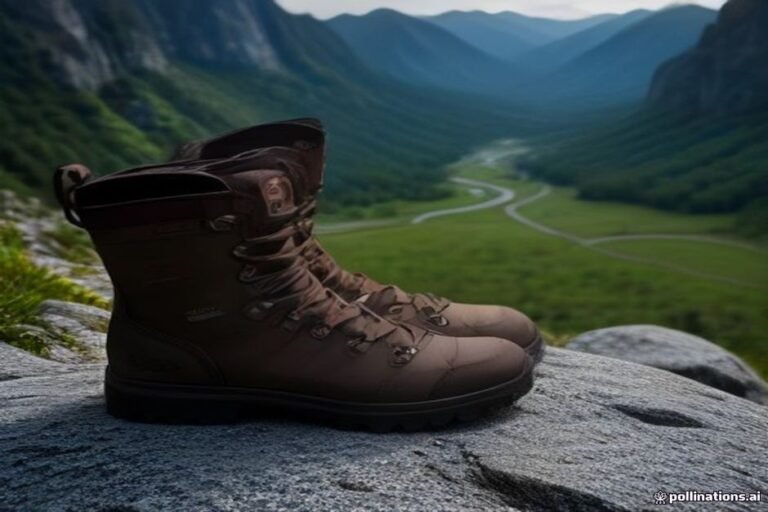
Footwear and accessories complete your outdoor apparel kit. Blisters ruin a day faster than almost anything else, which is why investing in proper wool or synthetic socks is crucial. Consult our guide to the best hiking socks to choose the right cushioning density for your footwear.
If you are assembling trail essentials tailored for different body types and needs, reviewing women’s hiking gear essentials can help you find proper fits that eliminate chafing around waistbands and shoulders.
How to Build an Outdoor Apparel Wardrobe on a Budget
Walking into an outfitter can be intimidating when you spot jackets that cost several hundred dollars. Fortunately, you do not need to buy top-tier technical gear all at once to start enjoying the wilderness safely.
Smart beginners build their kits gradually:
- Audit your existing athletic wear: Check your current workout clothes. Synthetic running shirts, gym leggings, and polyester hoodies frequently share the same core yarn constructions found in branded outdoor clothing.
- Invest first where safety matters: Put your budget into a dependable rain jacket and good footwear first. Wet, chilled hikers face real hypothermia risks, whereas an inexpensive fleece still insulates just fine.
- Shop off-season and clearances: Buy winter puffies at the end of spring and lightweight sun shirts in late autumn when retailers clear floor space.
- Choose multi-purpose pieces: A single versatile wind jacket or neutral pair of technical pants can handle day hikes, travel, and casual weekend errands.
As you spend more nights on the trail, you can streamline your packing list by investing in lightweight camping gear that saves pack weight without sacrificing weather protection.

FAQ
Can I just wear regular workout clothes as outdoor apparel?
Yes, many synthetic gym clothes work well as budget-friendly base layers, though dedicated outdoor gear often offers greater durability, wind resistance, and sun protection.
Why do outdoor enthusiasts avoid cotton clothing?
Cotton absorbs up to twenty-seven times its weight in water, dries very slowly, and loses all insulating properties when wet, which significantly increases the risk of hypothermia.
How should outdoor apparel fit compared to casual clothing?
Outdoor garments should fit close to the skin without restricting mobility, leaving enough room for active movement and additional insulating layers underneath.
Ready to Step Outside
Mastering your outdoor apparel does not require a closet full of expensive equipment. By sticking to the three-layer formula, choosing moisture-wicking fabrics, and leaving heavy cotton at home, you will stay dry, warm, and comfortable through shifting trail conditions. Take stock of what you already own, pick up a solid rain shell, and hit the trailhead with confidence.
Also read: Beginner Outdoor Apparel: A Step-by-Step Guide
Also read: Action Cameras Guide: A Beginner’s Simple Overview