
As an Amazon Associate I earn from qualifying purchases.
Evaluating the true hiking benefits and drawbacks is essential before you swap the neighborhood sidewalk for a rocky mountain trail. Social media makes backcountry hiking look effortless: sun-drenched ridgelines, serene alpine lakes, and peaceful solitary strolls. The reality often includes muddy climbs, stinging nettles, sudden weather shifts, and aching joints the next morning. Hiking is one of the most rewarding outdoor pursuits you can pick up, but entering the woods unprepared or with unrealistic expectations can turn an inspiring outing into a painful slog.
Whether you want to build cardiovascular stamina, escape screen fatigue, or train for a rugged backpacking expedition, looking objectively at the sport helps you prepare properly. Here is a balanced look at what the trail offers, what it demands, and how to maximize every mile you walk.
The Major Physical and Mental Advantages of Hiking
When you look closely at hiking benefits and drawbacks, the cardiovascular payoff stands out immediately. Walking on pavement provides steady, predictable resistance, but dirt trails force your body into a dynamic, full-body workout. Stepping over tree roots, balancing across slick granite, and scaling steep switchbacks fire up stabilizing muscles in your ankles, calves, core, and hips that sedentary gym workouts simply miss.
Unlike high-impact road running, hiking delivers significant aerobic conditioning with considerably less repeated jarring force on your hips and lower back. Ascending an incline raises your heart rate quickly, building stamina without subjecting your bones to high-impact pounding. Many hikers opt for supportive trail running shoes or lightweight boots that allow natural foot flexion while offering sticky rubber outsoles designed to grip wet rock and loose gravel.
The mental advantages are equally profound. Navigating forest paths requires focused presence. You must scan the ground ahead, choose your footholds, and listen to your surroundings. This continuous engagement naturally quiets daily anxieties and breaks obsessive thought loops. Spending deliberate time in green spaces lowers stress hormones and encourages deeper breathing. The physical challenge of earning a panoramic summit view also provides a clear, tangible sense of accomplishment that is hard to replicate in modern desk-bound routines.
Beyond individual health, hiking offers a practical bridge into broader outdoor exploration. It serves as the baseline skill set for wilderness camping, wildlife photography, and alpine mountaineering. Once you are comfortable spending five or six hours navigating off-grid terrain, the backcountry becomes vastly more accessible.
Weighing Hiking Benefits and Drawbacks: The Downside
An honest view of hiking benefits and drawbacks requires looking past the summit views and confronting the real physical toll. While going uphill works your lungs and glutes, descending steep trails exerts punishing eccentric forces on your knees, ankles, and quadriceps. Every downhill step transfers several times your body weight onto the front knee joint. Without proper conditioning or the support of trekking poles, repeated long descents can quickly trigger patellar tendonitis or chronic joint inflammation.
Foot injuries represent another universal trial. Friction, trapped moisture, and continuous pressure create hot spots that turn into debilitating blisters within miles. Investing in quality moisture-wicking merino wool from our guide to the best hiking socks helps manage heat and sweat, but rough terrain can still cause bruised toenails, twisted ankles, and plantar fasciitis if your footwear is ill-fitted or insufficiently broken in.
Then come the objective environmental risks. When exploring an unfamiliar trail system, one of the classic hiking benefits and drawbacks contrasts is how quickly serenity can morph into vulnerability. Nature is unpredictable. You may face sudden thunderstorm squalls, biting insects, tick-borne diseases, dehydration, hypothermia, or unexpected wildlife encounters. A sprained ankle that is merely inconvenient at the neighborhood park becomes an urgent emergency when you are six miles past cellular coverage with the sun dropping below the horizon.
There is also the logistical commitment. Unlike walking out your front door, rewarding hikes usually require travel time, trail research, permit acquisition, and an initial investment in reliable gear. Packing haphazardly or choosing a route far beyond your current capabilities can sour the experience before you even finish the first mile.
How to Overcome the Risks and Hike Smarter
Balancing these hiking benefits and drawbacks comes down to respect for the terrain and smart preparation. You do not need to let potential hazards keep you indoors; instead, implement basic safeguards that mitigate trail fatigue and unexpected hazards.
1. Dial In Your Footwear and Layering
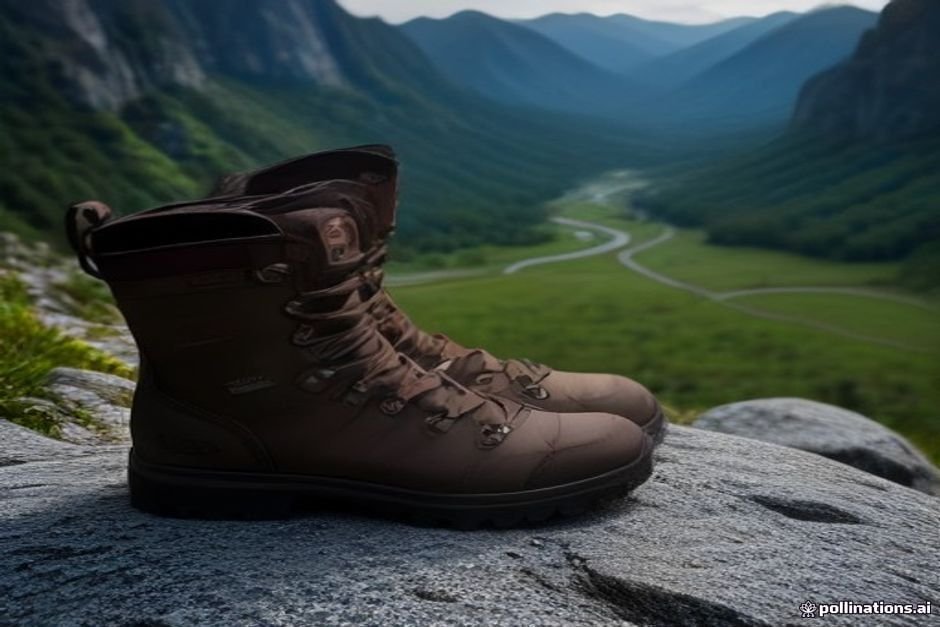
Never debut brand-new boots on a strenuous day hike. Wear them around your home and on short neighborhood strolls first to let the footbed mold to your arches and detect pinch points early. Pair proper footwear with breathable, non-cotton technical layers that adapt to changing weather conditions. If you are outfitting for diverse seasons, reviewing specialized gear collections like our breakdown of women’s hiking gear provides insight into climate-ready apparel that vents perspiration while protecting against wind and brush.
2. Carry the Basic Safety Fundamentals
Understanding how hiking benefits and drawbacks apply to your personal fitness level means acknowledging that self-rescue is sometimes necessary. Even on popular, well-marked paths, carry a dedicated compact hiking first aid kit, a headlamp, extra drinking water, high-calorie snacks, and a physical topo map or downloaded offline GPS route. Check out our checklist on hiking survival gear to ensure you never leave crucial emergency supplies in the car.
3. Manage Your Pace and Pack Weight
Ego causes more trail injuries than terrain. Start on trails rated below your perceived capability to gauge how your hips and lower back handle continuous incline and decline. Distribute weight close to your spine using an ergonomic lightweight daypack equipped with a supportive hip belt. Maintain a conversational pace on the ascents, drink water consistently before you feel parched, and shorten your stride when negotiating slippery descents.
FAQ
Newcomers frequently ask about hiking benefits and drawbacks when choosing a weekend workout routine. Here are straight answers to common trail questions.
Is hiking more effective for fitness than road walking?
Yes, hiking engages more stabilizing muscles and burns more calories than flat road walking because uneven terrain, steep inclines, and trail obstacles demand constant adjustments in balance and stride.
How can I protect my knees when hiking downhill?
Use trekking poles to absorb impact, take shorter steps, keep your knees slightly bent rather than locked, and ensure your footwear has adequate cushioning.
What is the most common mistake beginner hikers make?
Beginners often overestimate their stamina, pack too much heavy gear, and fail to carry basic navigation tools, sufficient water, or weather-appropriate extra layers.
Start with Small Steps
Taking time to assess hiking benefits and drawbacks will keep your adventures sustainable and injury-free. The sport offers an unmatched blend of physical conditioning, mental quiet, and raw outdoor discovery, provided you respect your personal limits and prepare for unpredictable mountain environments. Pick a modest local route, pack the essentials, lace up your footwear, and discover firsthand how rewarding the trail can be.