As an Amazon Associate I earn from qualifying purchases.
Most survival gear mistakes don’t happen because you bought the wrong equipment. They happen because you never took it out of the package until the storm rolled in. I’ve watched experienced hikers fumble with a ferro rod in freezing rain while their fingers went numb, and I’ve seen ultralight backpackers realize their “emergency blanket” was actually a Mylar chip bag. The gear isn’t the problem. The preparation is.
Mistake 1: Buying a Kit and Calling It Done
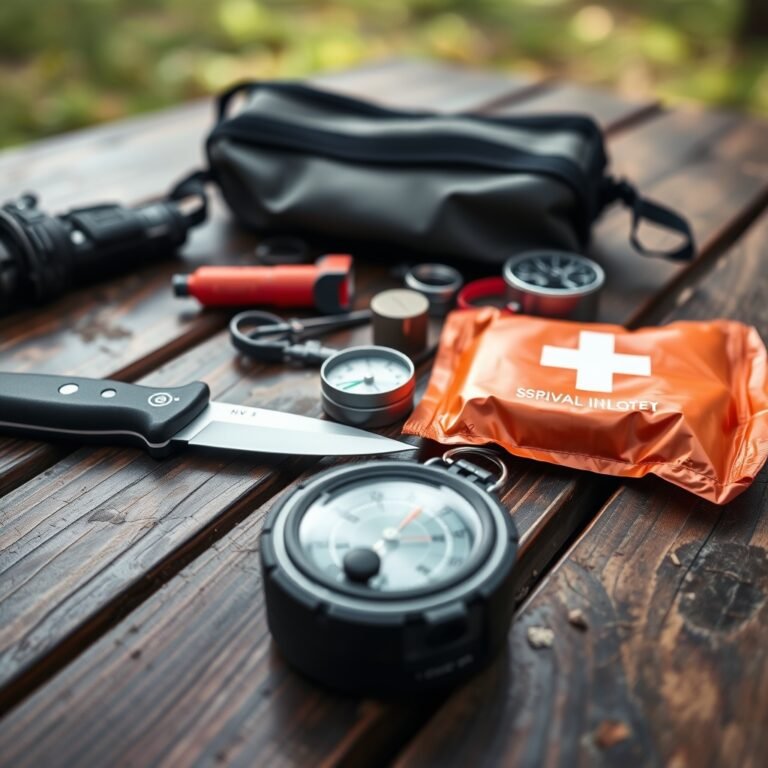
Pre-assembled survival kits look impressive in the package. They check every box: fire, water, shelter, signal, first aid. But a sealed kit is a liability, not an asset. You don’t know if the matches are damp, the knife holds an edge, or the whistle works until you test each piece.
Break the seal. Use the firestarter until you can get a flame in wind. Filter a liter of pond water through the straw. Set up the emergency bivvy in your living room. If something fails, replace it before you’re twenty miles from the trailhead. A beginner survival kit makes a solid starting point, but only if you treat it as a foundation, not a finish line.
Mistake 2: Ignoring Redundancy for Critical Systems
One is none. Two is one. This old adage applies to fire, water purification, and navigation. Carrying a single lighter is a survival gear mistake that gets people killed. Lighters fail in cold, at altitude, when wet. A ferro rod works in all of those conditions but requires practice. Carry both. Same for water: a filter plus chemical tablets plus the knowledge to boil. For navigation: GPS plus map and compass plus the skill to use them.
Redundancy doesn’t mean doubling your pack weight. It means covering each critical need with two fundamentally different methods. A ferro rod weighs an ounce. Chemical tablets weigh nothing. The peace of mind is worth far more.
Mistake 3: Choosing Gear You Can’t Operate Under Stress
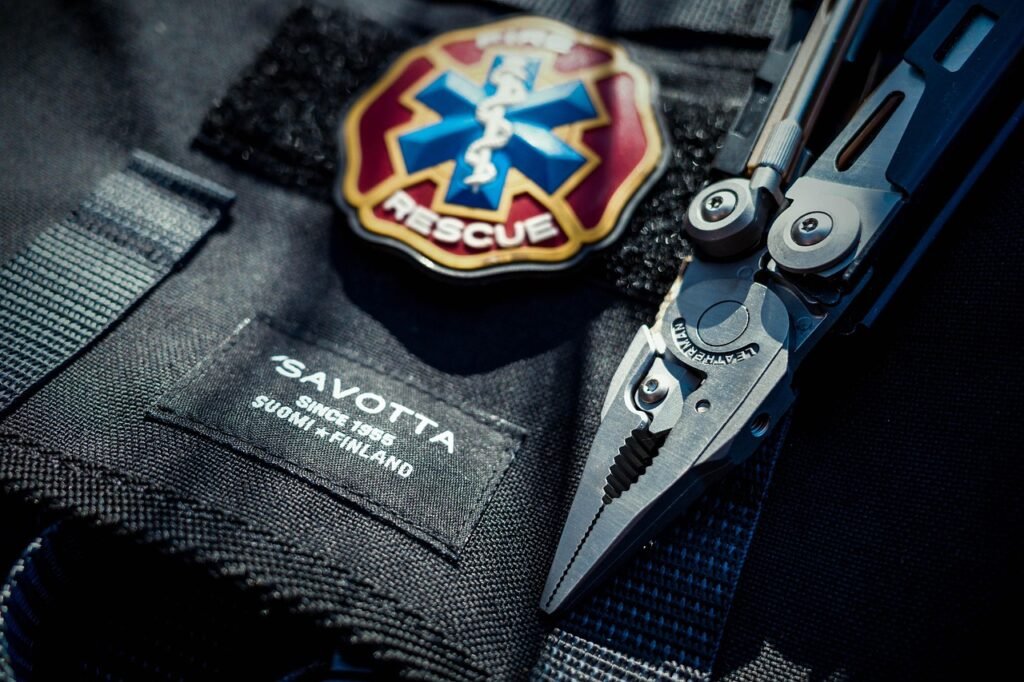
Complex gear fails when you’re cold, exhausted, and scared. That multi-tool with seventeen functions? You’ll drop the tiny screwdriver bit in the snow. The stove that requires priming, pressurizing, and a specific lighting sequence? You’ll flood it. The shelter with eighteen guy lines and color-coded poles? You’ll misthread the clips in the dark.
Simplify. A fixed-blade knife outperforms a multi-tool for batoning, feather-sticking, and prying. A canister stove lights every time. A bivvy sack deploys in seconds. Test every piece of gear in miserable conditions — rain, wind, darkness, gloves on — before you trust it with your life.
Mistake 4: Neglecting Maintenance Until It’s Too Late
Gear rots. Batteries corrode. Blades dull. Filters clog. Medical supplies expire. The most dangerous survival gear mistakes involve equipment that worked perfectly three years ago. Schedule a quarterly gear audit. Check expiration dates on medications, water treatment, and food. Cycle batteries. Sharpen edges. Re-waterproof fabrics. Lubricate moving parts.
Store electronics with batteries removed. Keep ferro rods dry. Replace any item that shows corrosion, cracking, or degradation. A sharpening stone and a tube of seam sealer cost pennies compared to a failed shelter or dull knife when you need them most.
Mistake 5: Overlooking Environmental Specificity
A desert kit differs from an alpine kit differs from a coastal kit. Yet many hikers carry the same generic loadout everywhere. In the desert, sun protection and water capacity trump insulation. In the Rockies in October, a lightweight tarp won’t survive a snow load. In the Pacific Northwest, fire-starting gear must work on soaking wet wood.
Tailor your kit to the specific environment, season, and trip duration. Research the most likely emergencies for your destination: hypothermia in mountains, heat stroke in canyons, giardia in lowland streams, lightning on ridges. Then build accordingly. Our guide on cold weather camping gear details the specific additions that make the difference when temperatures plummet.

Mistake 6: Prioritizing Weight Over Capability
Ultralight philosophy has its place. But shedding ounces at the expense of redundancy, durability, or ease of use is a survival gear mistake that catches up to you. The 2-ounce emergency blanket that tears if you sneeze? Useless. The titanium stove that tips over in a breeze? Frustrating at best, dangerous at worst.
There’s a floor below which gear becomes unreliable. Know where that floor sits for each category. A 4-ounce lighter tarp that pitches bombproof beats a 2-ounce one that fails. A 3-ounce fixed blade you can baton through knots beats a 1-ounce folder that snaps. Carry the lightest gear that still performs its primary function flawlessly under worst-case conditions.
Mistake 7: Failing to Practice With Your Actual Pack
You’ve tested each item individually. But have you used them together, in sequence, under pressure? Can you access your firestarter without unpacking everything? Does your water filter hose reach your bottle from the pack’s side pocket? Can you deploy your shelter one-handed while holding a trekking pole?
Pack your kit exactly as you carry it. Then run drills: simulate a sudden storm, an injury, a navigation error. Time yourself. Note every fumble, every missing piece, every moment of confusion. Then fix it. Repack. Drill again. The survival gear you carry on trail should feel like an extension of your hands, not a puzzle you’re solving for the first time.
Building a System That Works
Avoiding survival gear mistakes isn’t about owning the latest tech or the lightest pack. It’s about building a system you understand, maintain, and trust. Start with the seven fixes above. Audit your current kit against each one. Replace, repair, or practice until every gap closes.
Then get outside and use it. The best survival gear is the gear you’ve already used to solve real problems in real conditions. Everything else is just weight on your back.
FAQ
What’s the single most important survival gear item to carry?
There isn’t one. Fire, water, shelter, and navigation are all critical, and redundancy across each system matters more than any single tool. A knife, lighter, and water treatment method form a minimal baseline, but none works alone.
How often should I replace items in my survival kit?
Check expiration dates quarterly. Replace water treatment chemicals annually, medications per their dates, batteries every 12-18 months, and any gear showing wear, corrosion, or damage immediately. Food bars typically last 2-5 years.
Is a pre-made survival kit worth buying?
Only as a starting point. Pre-made kits often include low-quality components and generic items unsuited to your environment. Buy one, then immediately test, upgrade, and customize every piece to your needs and skills.
Also read: Camping Mistakes: 7 Common Errors and How to Avoid Them