Updated for October 2026: a new section on "Maintaining Your Headlamp for Peak Performance", a FAQ, 5 corrected sentences added.
As an Amazon Associate I earn from qualifying purchases. As the sun dips behind the ridge, transforming the trail into a silhouette, a reliable headlamp becomes essential for safe navigation and avoiding stumbles in the dark. In this guide we’ll break down the best headlamps for hiking in 2026, highlight the specs that truly matter, and point you toward the gear that won’t let you down.How to Pick the Right Headlamp for Your Adventures
Not every headlamp is built the same. Start by answering three simple questions:- What’s the primary use? A lightweight, low‑profile beam is ideal for trail navigation, while a high‑lumens, flood‑type lamp shines when you’re setting up camp.
- How long will you be off the grid? Multi‑day treks demand long battery life or a rechargeable option that can be topped off with a power bank.
- What weather will you face? Waterproof ratings (IPX) and impact resistance are non‑negotiable for alpine conditions.
Key Features to Scrutinize
Below are the specs that separate a “good” lamp from the best headlamps for hiking on the market.Brightness (Lumens)
For trail navigation, 150–300 lumens provide a crisp, focused beam without draining the battery too fast. If you camp in dense woods or need to illuminate a large area, aim for 500 lumens or more.Battery Type & Runtime
Three power options dominate the market:- Rechargeable lithium‑ion packs—most common in premium models; they often deliver 10–15 hours on high mode.
- Standard AA/AAA cells—great for backup; you can stash spares in your pack.
- Hybrid units that combine a rechargeable core with a USB power‑bank slot—perfect for extended trips.
Beam Pattern & Modes
A versatile headlamp offers at least three modes: high, low, and a focused “spot” beam. Some premium options add a red or green night‑vision mode that preserves night‑adapted eyes while reading maps.Waterproof & Durability
IPX6 (heavy rain) or IPX7 (immersion up to 1 m) should be your baseline. Look for an anodized aluminum housing and a rubberized switch—both help the lamp survive drops and mud.Best Types for Different Scenarios
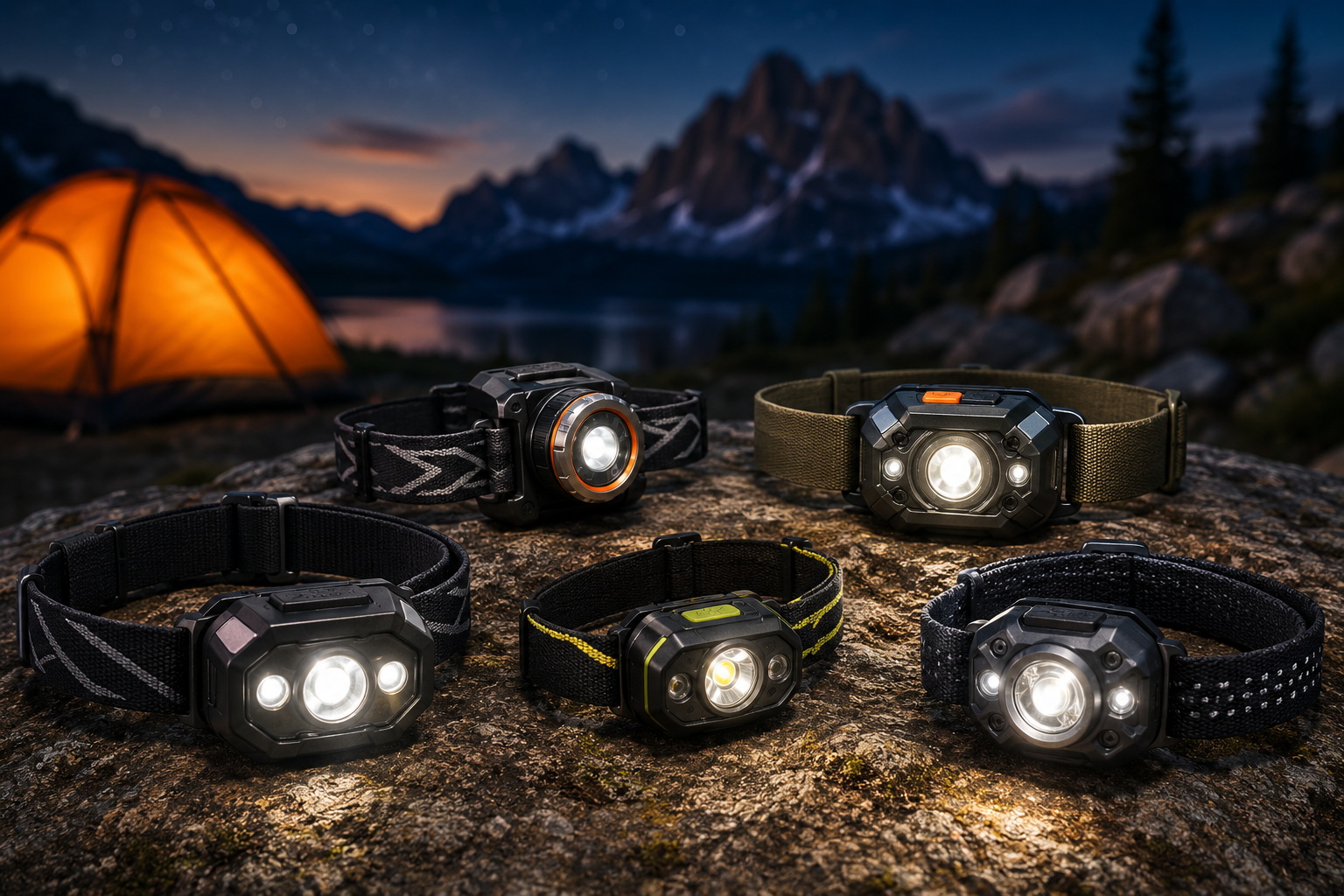
Rather than naming specific models, we’ll outline the four product types that consistently rank among the best headlamps for hiking this year.1. Ultra‑Light LED Headlamps
Weighing under 80 grams, these lamps pair a compact design with 200–300 lumens. They’re perfect for fast‑packing and minimalist hikers who prioritize weight over raw power. Find options with a quick‑click mounting system: ultra‑light LED headlamp.2. High‑Output Rechargeable Headlamps
When you need 500+ lumens for campsite setup, a rechargeable unit with a 2500‑mAh lithium battery shines. Many include a built‑in USB-C port, allowing you to charge from a power bank or solar panel. Explore the market here: high‑output rechargeable headlamp.3. Dual‑Power Hybrid Headlamps
Hybrid lamps accept both AA/AAA cells and a built‑in rechargeable pack. This redundancy is a lifesaver if you run out of charge on a multi‑day trek. Check out options with this flexibility: hybrid headlamp AA rechargeable.4. Headlamps with Integrated Power Bank
Some newer designs incorporate a 3000‑mAh power bank that can charge phones, GPS units, or even a small camera. While adding some noticeable weight, they offer a convenient, one‑stop power solution for tech‑heavy hikers. Shop the integrated models here: headlamp with power bank.Real‑World Performance: What Hikers Are Saying
In field tests across the Sierra Nevada, the best headlamps for hiking consistently delivered at least 150 lumens on high mode without flickering after three hours of continuous use. Users also praised rubberized switches that stayed responsive in sub‑zero temperatures. If you’ve struggled with night‑time lighting before, you’ll notice the difference immediately—especially when paired with a quality headlamp strap that stays snug after a sweaty climb.Where to Buy and What to Look For
Most outdoor retailers carry the four product types listed above, but buying online gives you the chance to compare specs side‑by‑side. When you click “Add to Cart,” verify these details:- Exact lumen rating (manufacturer‑claimed versus real‑world tests).
- Battery life on each mode—look for a runtime table.
- IPX rating and warranty length (a two‑year warranty is common for premium lamps).
- Included accessories—extra diffusers, spare batteries, or a travel pouch can add value.
Budget‑Friendly Picks
If you’re hunting for a solid performer without breaking the bank, look for headlamps that appear in our Best Outdoor Products Under $25 roundup. Many of those models meet the essential criteria for the best headlamps for hiking while staying under a modest price point.Maintaining Your Headlamp for Peak Performance
Even the most advanced headlamp needs proper care to deliver reliable performance season after season. Neglecting basic maintenance can lead to reduced battery life, compromised waterproofing, or even complete failure when you need it most. After each adventure, take a moment to wipe down your headlamp with a damp cloth, removing any dirt, sweat, or dust from the housing and strap. Avoid harsh chemicals, which can degrade seals and plastic components.


Battery care is crucial, especially for rechargeable models. When storing your headlamp for extended periods, it's best to leave lithium-ion batteries partially charged rather than fully charged or completely drained, as this prolongs their lifespan. For headlamps using disposable AA/AAA cells, remove the batteries entirely to prevent corrosion, which can permanently damage the internal electronics. Always store your headlamp in a dry, cool place, ideally in a protective pouch or case to prevent scratches and accidental activation. Periodically inspect rubber seals and O-rings for cracks or wear, especially if your lamp has a high IPX rating, to ensure its waterproof integrity. Proper maintenance not only extends the life of your gear but also ensures it’s always ready for your next trek, much like caring for your other essential camping gear or even your LED camping lanterns.
Conclusion: Light Up Your Next Trail
Choosing the right headlamp isn’t about chasing the highest lumen count; it’s about matching brightness, battery life, and durability to the specific demands of your hike or campsite. By focusing on the four product types above and verifying key specs, you’ll equip yourself with a lamp that feels like an extension of your own vision. Ready to upgrade? Start by searching for a rechargeable high‑output model or a hybrid unit that offers backup AA cells. Your night‑time adventures deserve the same reliability you trust in your boots and pack. Next step: Add a headlamp to your gear checklist today, then test it on a short evening walk before your next multi‑day trek. That quick trial will confirm comfort, beam quality, and battery performance—ensuring you’re fully prepared when darkness truly descends on the trail.Frequently Asked Questions
Why is a red light mode important on a headlamp?
A red light mode is crucial for preserving your night vision. Unlike white light, red light doesn’t cause your pupils to constrict as much, meaning your eyes don’t have to readjust when you switch it off. This is ideal for reading maps, navigating camp without disturbing others, or observing wildlife in the dark.
How do extreme temperatures affect headlamp performance?
Extreme cold can significantly reduce battery life, especially for lithium-ion batteries, and may slow down electronic responsiveness. In very hot conditions, batteries can degrade faster, and the headlamp’s housing might become uncomfortable to touch. Always store your headlamp within its recommended operating temperature range and keep spare batteries warm in cold weather.
What’s the best way to prevent headlamp battery drain during storage?
To prevent battery drain during long-term storage, remove disposable AA/AAA batteries completely. For rechargeable headlamps, ensure the unit is fully powered off (not just in standby) and consider storing the battery pack with a partial charge if it's removable, as this helps maintain battery health over time.