As an Amazon Associate I earn from qualifying purchases.
Avoiding hiking gear mistakes can be the difference between a day on the trail and an unexpected setback.
Most hikers think the biggest challenges come from the terrain, weather, or navigation. In reality, a misplaced strap, an ill‑chosen shoe, or a forgotten spare battery often turns a pleasant outing into a scramble for solutions. This guide walks you through seven of the most frequent hiking gear mistakes and shows exactly how to sidestep them, so you spend more time enjoying the view and less time fixing equipment.
Mistake #1: Overpacking and Ignoring Weight Distribution
It’s tempting to cram every “just in case” item into your pack, especially when you’re new to the trail. The result? A backpack that sags, shoulders that ache, and a higher chance of losing balance on uneven ground.
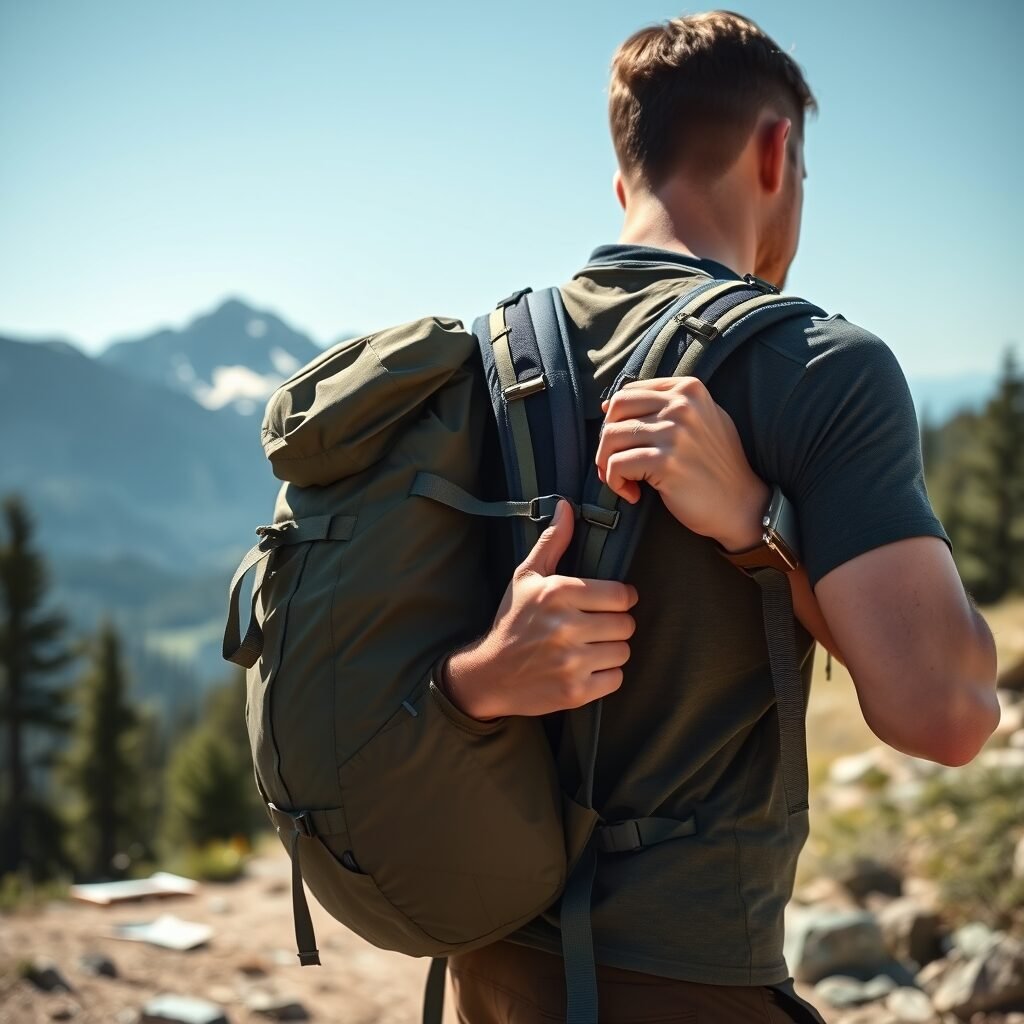
- Solution: Use the lightweight backpack as your baseline and follow the 10% body weight rule—your pack should weigh no more than 10% of your body mass.
- Place heavier items (water, food, stove) close to your spine and centered over your hips. This keeps your center of gravity stable.
- Consider a modular system: a daypack for quick hikes, a larger pack only for overnight trips.
When you streamline your load, you eliminate one of the most common hiking gear mistakes that lead to premature fatigue.
Mistake #2: Wearing Inappropriate Footwear
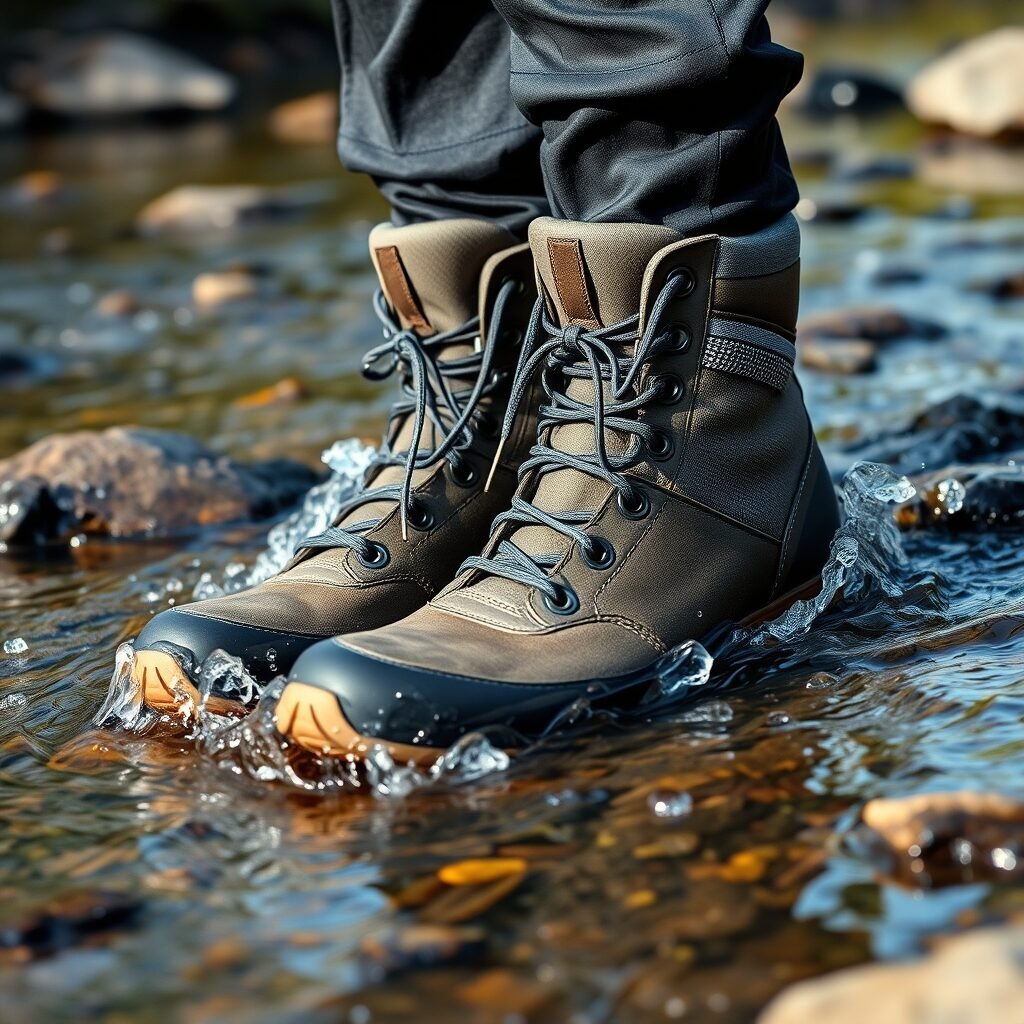
Many hikers grab a pair of “all‑purpose” shoes and head out, only to discover hot spots, blisters, or insufficient traction halfway down the ridge.
Invest in waterproof hiking boots that match the terrain’s technical demands. For lightweight day hikes, a sturdy trail shoe with good grip may be enough, but for rocky or muddy sections, a boot with ankle support and a Vibram sole is worth the extra ounce.
Before you commit to a long trek, test your boots on varied surfaces around your home. Walk for at least an hour, then inspect for pressure points. Adjust lacing patterns, and consider a pair of breathable hiking socks to reduce friction.
Choosing the right shoes eliminates a classic hiking gear mistake that can ruin a day’s progress.
Mistake #3: Forgetting to Layer Properly
Layering isn’t just about staying warm; it’s about managing moisture. A common error is piling on a heavy fleece without a breathable shell, which traps sweat and leads to chills.
Follow the “base‑mid‑outer” rule: a moisture‑wicking base layer, an insulating mid‑layer (fleece or down), and a waterproof, breathable outer shell. Pack a lightweight down jacket that compresses well for unexpected cold snaps.
This approach prevents the hiking gear mistakes that come from overheating in summer and freezing in winter.
Mistake #4: Skipping Essential Navigation Tools
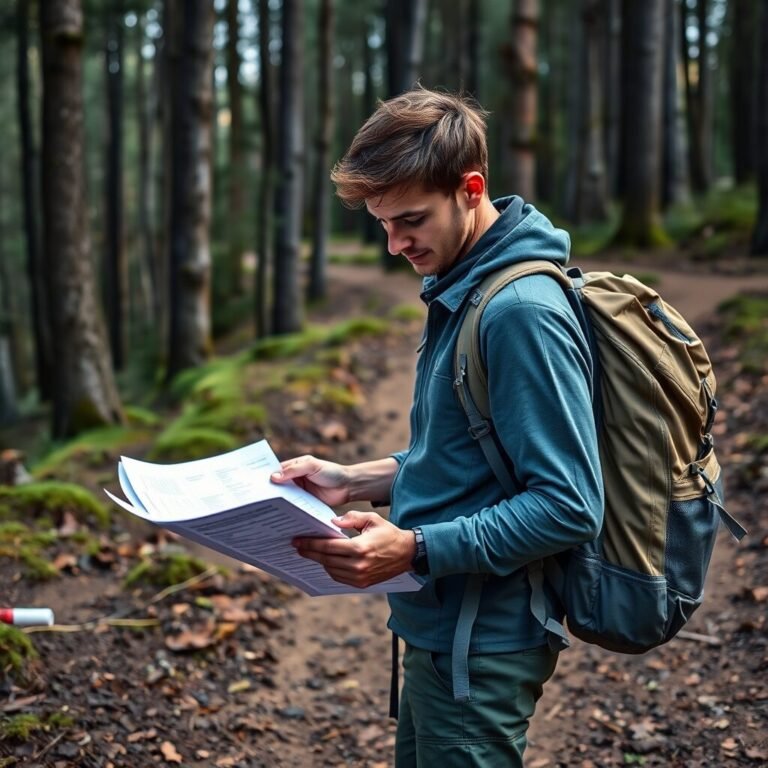
Relying solely on a smartphone for GPS is a risky hiking gear mistake. Batteries die, signals drop, and rugged terrain can block reception.
- Carry a compact topographic map of the area.
- Invest in a reliable handheld GPS or a dedicated compass.
- Download offline maps to your phone and bring a portable charger.
Cross‑checking multiple sources keeps you oriented and avoids the panic that comes from being lost.
Mistake #5: Using the Wrong Hydration Strategy
Running out of water is a serious hiking gear mistake that can turn a short loop into a medical emergency. Many hikers underestimate consumption, especially at altitude.
Carry at least 2 liters of water for a day hike; for longer trips, use a collapsible water reservoir or multiple insulated bottles. Add electrolyte tablets to maintain balance on hot days.
Planning your hydration stops along the trail and knowing where natural water sources exist—then treating it with a filter—keeps you from making this avoidable error.
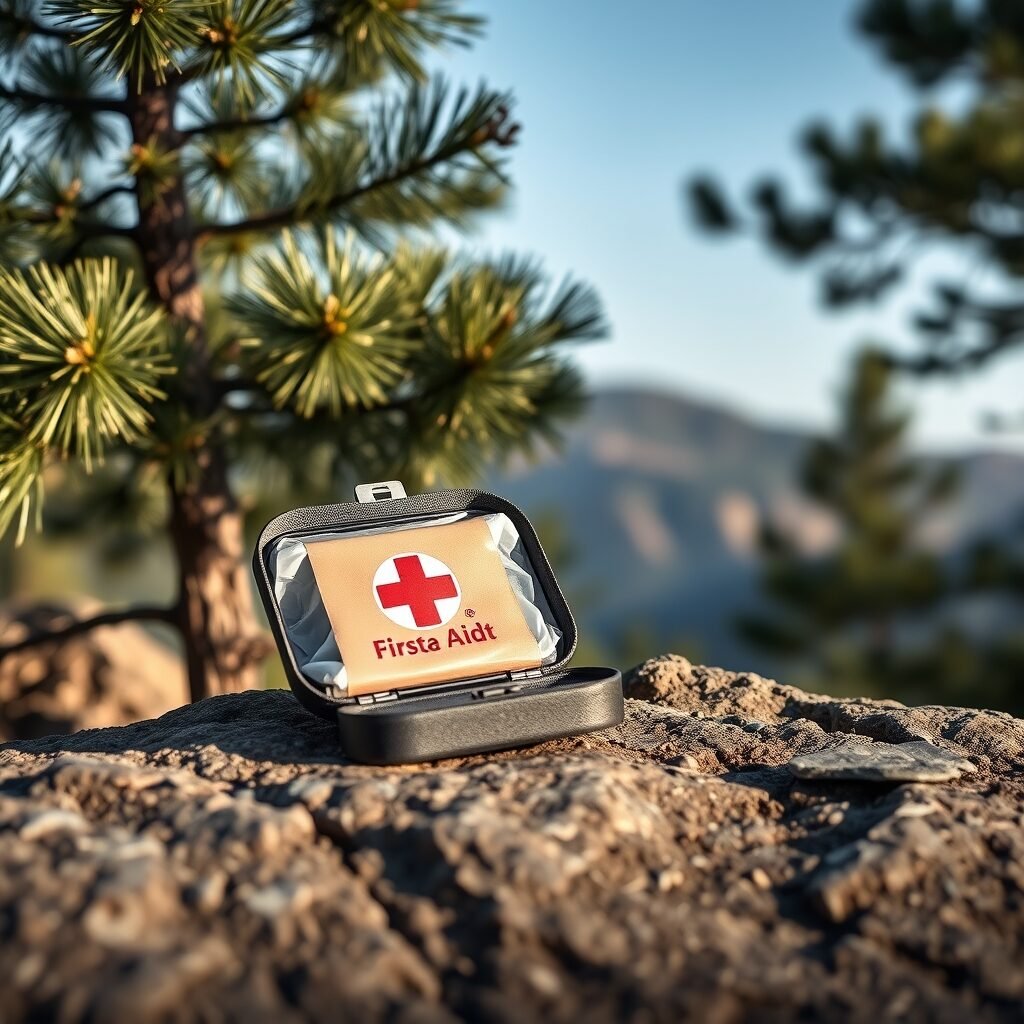
Mistake #6: Neglecting First‑Aid Preparedness
Even minor cuts can become infections if not treated promptly. Overlooking a hiking gear mistake like a missing bandage can turn a small nuisance into a serious issue.
Pack a compact first‑aid kit that includes:
- Adhesive bandages, blister pads, and gauze.
- Antiseptic wipes or spray.
- Medical tape and a small pair of tweezers.
Customize the kit to your personal needs—add any prescription meds, an epinephrine auto‑injector if you have allergies, or a few pain relievers.
Having the right supplies on hand eliminates one of the most overlooked hiking gear mistakes that can compromise safety.
Mistake #7: Forgetting to Test Gear Before the Trip
Brand new equipment is exciting, but using it untested is a classic hiking gear mistake. A tent that pops open in a breeze or a stove that won’t ignite can ruin a weekend.
Schedule a “shakedown” hike—maybe a half‑day loop near home—where you set up the tent, light the stove, and wear all layers. Check that zippers glide, straps hold, and that the gear feels comfortable over distance.
By treating your gear like a partner and ensuring it works before you head into the backcountry, you sidestep the surprise failures that many hikers regret.
How to Prevent Hiking Gear Mistakes on Future Trips
Now that we’ve dissected the seven most frequent hiking gear mistakes, here’s a quick checklist you can keep in your pocket or phone:
- Make a gear list based on trip length, terrain, and weather.
- Weight‑check each item; eliminate anything that adds more than 5% of your total pack weight.
- Test footwear and socks on varied surfaces for at least an hour.
- Pack a layered clothing system and verify each piece is breathable and waterproof.
- Include redundant navigation tools: map, compass, and GPS.
- Plan water sources and carry enough fluid plus a treatment method.
- Assemble a customized first‑aid kit and run through its contents.
- Do a full gear trial run at least 48 hours before departure.
Following this routine turns the abstract idea of “avoiding mistakes” into concrete habits.
Related Resources
For deeper dives into specific categories, check out our Hiking Survival Gear 2026 guide and the Best Hiking Socks in 2026 article. Both pieces reinforce the importance of proper foot care and emergency preparedness—key components of eliminating hiking gear mistakes.
FAQ
What’s the biggest hiking gear mistake beginners make?
Overpacking and ignoring weight distribution often leads to fatigue and discomfort.
How can I test my footwear before a long hike?
Walk the boots on varied terrain at home and check for hotspots after a short run.
Should I rely on cheap rain jackets for wet weather?
Low‑quality shells leak and trap moisture; invest in a reputable waterproof layer.
Ready to hit the trail with confidence? Review your checklist, test your gear, and set out knowing you’ve dodged the most common hiking gear mistakes. Safe trekking!
Read also: How to Rent Camping Gear: A Beginner’s Complete Guide