
As an Amazon Associate we earn from qualifying purchases. Amazon links on this page are affiliate links.
Trading a traditional tent for a suspended shelter has become one of the biggest outdoor trends over the last decade. Weighing the hammock camping pros and cons is essential before abandoning your ground setup, as hanging between trees brings both incredible comfort and unique logistical hurdles. Understanding how a hammock system functions will help you determine whether suspended sleeping fits your outdoor lifestyle.
What Exactly Is a Hammock Camping System?
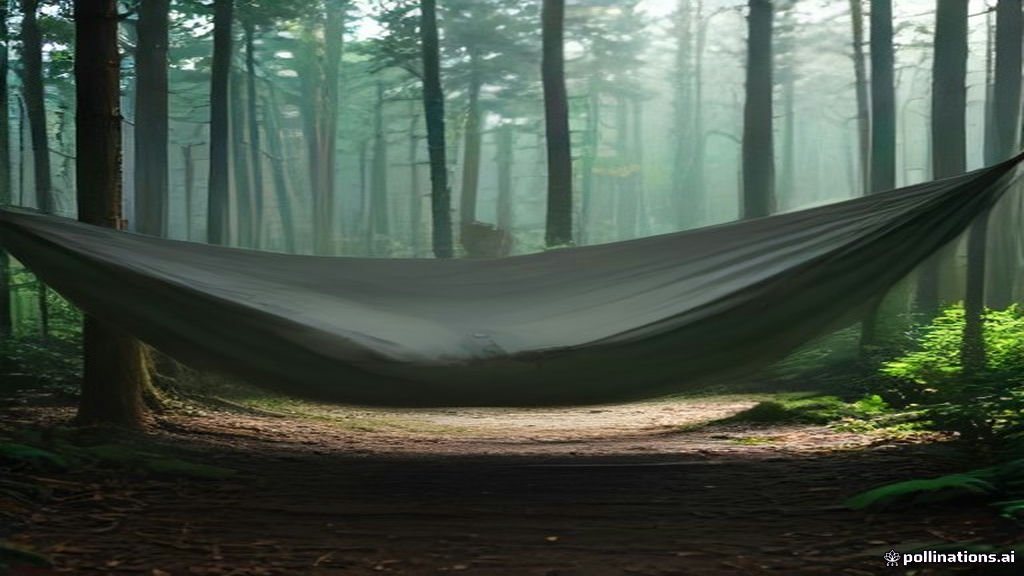
Hammock camping involves sleeping elevated off the forest floor in a specially designed fabric cradle suspended between two anchor points, typically mature trees. Unlike casual backyard relaxation hammocks made from heavy rope or cotton canvas, backcountry camping hammocks rely on high-tensile ripstop nylon or polyester. These lightweight fabrics pack down small and withstand substantial dynamic weight.

A functional backcountry setup is not just a strip of fabric. To survive unpredictable weather, the hammock is only one part of an integrated modular sleep system that typically includes:
- Tree-friendly suspension: Wide webbing straps designed to anchor the hammock without stripping tree bark.
- Bug protection: Integrated or zip-on no-see-um netting to block biting insects.
- Rain protection: A waterproof tarp pitched above the hammock to shed rain, hail, and snow.
- Under-body insulation: A specialized underquilt hanging beneath the fabric to trap heat where a sleeping bag would otherwise compress.
- Top insulation: A lightweight top quilt or conventional sleeping bag to cover the camper.
The Real Advantages of Hammock Camping
Backpackers and outdoor enthusiasts often become passionate advocates for hammocks for very tangible reasons. When evaluating the wider landscape of camping pros and cons, hammock shelters solve several chronic pain points associated with roughing it outdoors.
Unmatched Sleeping Comfort and Joint Relief
The single greatest advantage of hammock camping is the total absence of pressure points. On the ground, hip bones, shoulders, and lower back muscles bear concentrated body weight against hard soil, rocks, and protruding tree roots. Even premium air mattresses occasionally bottom out or develop slow leaks overnight.
In an appropriately sized hammock, sleeping along a slight diagonal line flattens your body posture. This distributes weight evenly across your entire silhouette, virtually eliminating the morning back stiffness common among tent campers. For individuals dealing with joint pain, sciatica, or chronic spinal discomfort, a suspended night of rest can be life-changing.
Unrivaled Site Selection Freedom
Traditional tent camping requires finding a flat, clear, rock-free patch of terrain measuring at least six by eight feet. In densely wooded hills, rocky mountainsides, or waterlogged wilderness zones, finding such a pristine pitch is exhausting and sometimes impossible.
A hammock requires only two sturdy trees roughly twelve to fifteen feet apart. The terrain directly underneath is completely irrelevant. You can comfortably hang above steep inclines, uneven boulder fields, mud, damp marsh grass, or blackberry brambles without feeling any impact on your sleep surface.
Exceptional Airflow and Scenic Views
Hot, humid summer nights inside a nylon tent often feel suffocating, even with open vestibules. An open-air camping hammock with bug net allows 360-degree breezes to circulate under and around your body, keeping you significantly cooler during sweltering trips. Furthermore, resting suspended without solid tent walls offers an unobstructed view of the surrounding forest canopy and night sky.
Multifunctional Camp Furniture
Once pitched, a hammock doubles as a comfortable camp lounger. Rather than sitting on a cold log or carrying a dedicated camp chair, you can sit sideways in your hammock to cook meals, read, or socialize with fellow hikers. Investigating the real pros and cons of camping accessories frequently reveals that dual-purpose gear saves meaningful pack weight.
The Drawbacks: What You Need to Know Before Switching
Despite passionate praise from enthusiasts, hammock setups introduce notable drawbacks that catch unprepared campers off guard. Ignoring these structural limitations can result in miserable, sleepless nights.
The dreaded “Cold Butt Syndrome”
The most pervasive issue in a hammock is convective heat loss. When you lie inside a sleeping bag, your body weight crushes the insulation beneath you against the thin nylon shell of the hammock. Even on a balmy evening with temperatures around 65°F (18°C), moving air underneath your hammock rapidly robs your body heat.
To combat this, campers must use an insulated foam pad inside the hammock or purchase a specialized, fitted hammock underquilt. Lacking proper under-insulation guarantees shivering and restless sleep, making temperature management in a hammock more complex than simply tossing a sleeping bag onto a ground pad.
Strict Anchor Dependency
Hammocks require trees or sturdy, purpose-built anchor posts. If your route takes you above the tree line into alpine zones, across open coastal beaches, through sand dunes, or into arid desert scrub, pitching your shelter becomes a difficult puzzle. While it is theoretically possible to rig a hammock tarp as an improvised ground bivy using trekking poles, the comfort benefits instantly vanish.
Limited Interior Gear Storage
Tents provide a sealed, dry floor where you can spread out your backpack, dry clothes, electronics, and water bottles. In a hammock, interior storage space is minimal, limited to small organizer ridge pouches or gear slings. Your heavy backpack and hiking boots must usually remain on the ground underneath your tarp, resting on a small groundsheet to stay dry during rainstorms.
A Steeper Initial Learning Curve
Setting up a tent is relatively intuitive: snap the shock-corded poles together, stake the corners, and pull the rainfly taut. Setting up a hammock requires learning several basic geometry concepts:
- Estimating a 30-degree suspension angle to avoid dangerous horizontal force on tree straps.
- Positioning the tree straps at shoulder height.
- Establishing an optimal structural ridgeline tension.
- Mastering the diagonal lay, positioning your head slightly to one side and your feet to the opposite side to avoid hyperextending your knees.
Hammock Camping vs. Tent Camping: Direct Comparison
To understand where each shelter system excels, comparing their baseline features across regular camping scenarios is illuminating.

| Feature | Hammock Camping | Traditional Tent Camping |
|---|---|---|
| Sleeping Surface Comfort | Exceptional; zero pressure points, uniform body support. | Depends entirely on sleeping pad thickness and ground smoothness. |
| Pitch Versatility | Requires suitable trees; handles steep, muddy, or rocky ground. | Requires flat, cleared footprint; works above tree lines and on open plains. |
| Cold Weather Management | Demands dedicated under-insulation to block wind drafts. | Retains radiant heat naturally within enclosed inner body fabric. |
| Partner Sharing | Inefficient; shared hammocks cause clumping and disturbed sleep. | Effortless; multi-person tents provide ample communal interior space. |
| Pack Weight & Bulk | Modular; ranges from ultralight to moderately heavy with full quilts. | Integrated; poles, body, and stakes form a single consolidated package. |
Essential Gear Needed to Complete a Hammock System
If you decide to assemble a hammock camping setup, avoiding cheap recreational lounging gear is critical. Backcountry durability demands specific components designed for prolonged exposure.
Suspension and Tree Savers
Avoid thin paracord or nylon rope, which can easily cut into tree cambium and damage living foliage. Look for 1-inch to 1.5-inch polyester webbing tree straps. Webbing paired with lightweight aluminum carabiners or lightweight cinch buckles provides fast, knot-free adjustability.
Tarp Coverage
Your hammock rainfly should extend at least six to twelve inches past each end of the hammock fabric. A quality hammock rain tarp pitched low in an A-frame configuration shields you from driving wind and horizontal downpours. You can also prop the edges open with carbon fiber or aluminum trekking poles to create a spacious porch mode during mild afternoons.
Integrated Ridgelines and Insulation
A structural ridgeline connecting the two ends of your hammock ensures that your sag remains consistent every time, regardless of how far apart the anchor trees are spaced. Pair this with a dedicated 20°F to 40°F underquilt that wraps snugly against the bottom contours of the fabric, preventing cold air channels from forming during shifting sleep positions.
Who Should Try Hammock Camping?
Hammock camping is ideal for specific types of outdoor adventurers:
- Back sleepers and side sleepers: Those who struggle to find comfort on firm inflatable pads.
- Solo forest backpackers: Hikers venturing into heavily forested areas like the Appalachian Trail, Pacific Northwest, or eastern woodlands.
- Warm-weather adventurers: Campers who prioritize maximum ventilation and minimal sweat during summer outings.
Conversely, ground tents remain the superior option for mountaineers navigating rocky alpine zones, families seeking a shared shelter, and desert backpackers operating where trees are completely absent.
Frequently Asked Questions
Can stomach sleepers comfortably rest in a camping hammock?
True stomach sleeping is extremely difficult in a traditional gathered-end hammock, as the fabric naturally encourages a gentle curve that bends your spine backward. However, diagonal positioning allows side sleeping with ease, and specialized bridge hammocks with spreader bars provide a sufficiently flat surface for short periods of stomach resting.
Is hammock camping lighter than carrying an ultralight tent?
Not necessarily. While an uninsulated hammock shell weighs very little, adding tree straps, a full-coverage rain tarp, bug mesh, and an underquilt brings the total system weight into a similar range (2 to 3.5 pounds) as a modern one-person ultralight tent. The primary advantage of hammocks is comfort and pitch flexibility, not automatic weight savings.
Can two people sleep comfortably in a double-wide hammock?
Sleeping two people overnight in a single hammock is generally impractical. The fabric draws both occupants downward toward the center, resulting in clashing elbows, shoulders, and hips whenever anyone shifts. Double hammocks are wonderful for casual daytime lounging together, but for an actual night of backcountry sleep, separate hammocks hung side by side are strongly advised.
Conclusion: Is Hammock Camping Worth It?
Evaluating hammock camping pros and cons ultimately comes down to your personal comfort preferences and typical destination terrain. If you consistently hike through forested corridors and wake up from tent camping with aching shoulders or a stiff back, the ergonomic relief of a suspended hammock system is well worth the initial learning curve and investment in proper insulation gear.