As an Amazon Associate I earn from qualifying purchases.
Why the Right Gear Matters
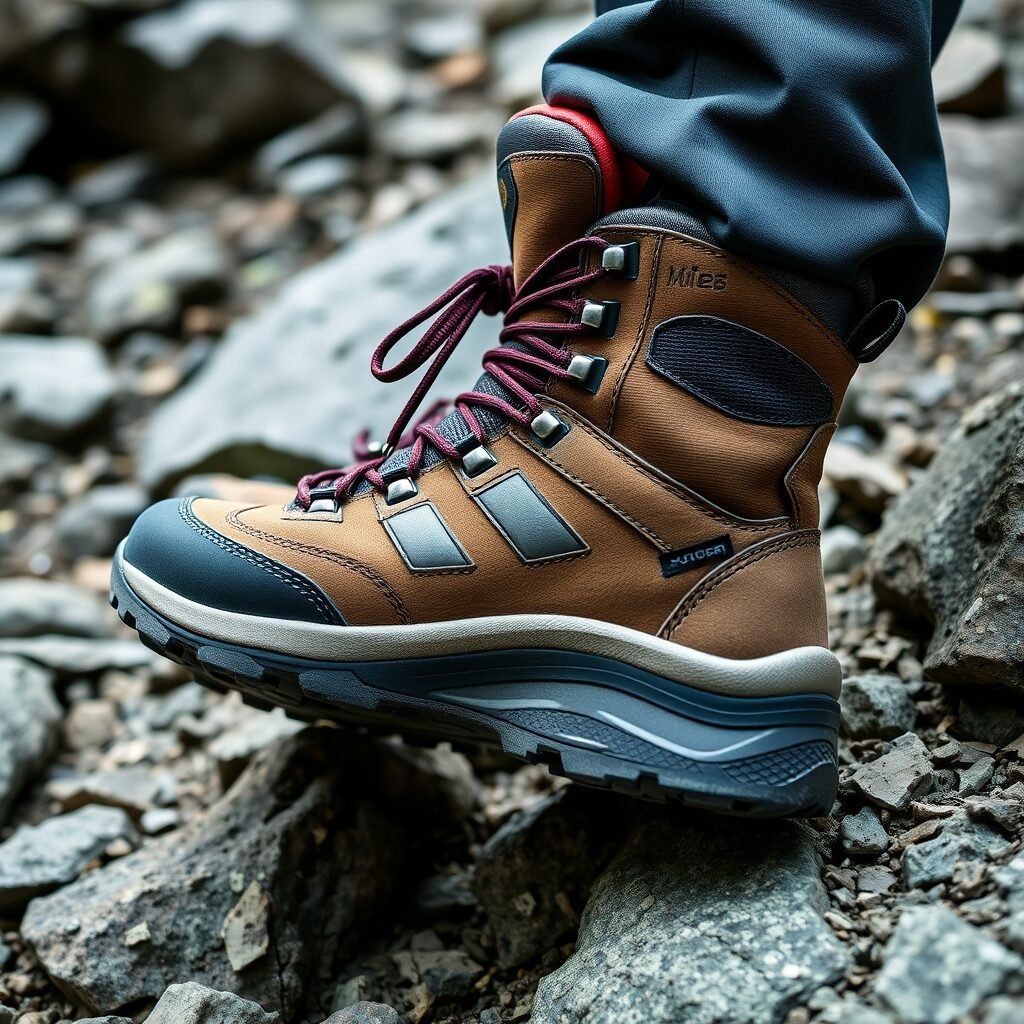
Hiking gear benefits start with safety. A sturdy pair of boots keeps your ankles stable on uneven rock, while a breathable jacket prevents overheating on a sunny ridge. When you understand how each piece protects you, the trail feels less like a gamble and more like a well‑planned journey.
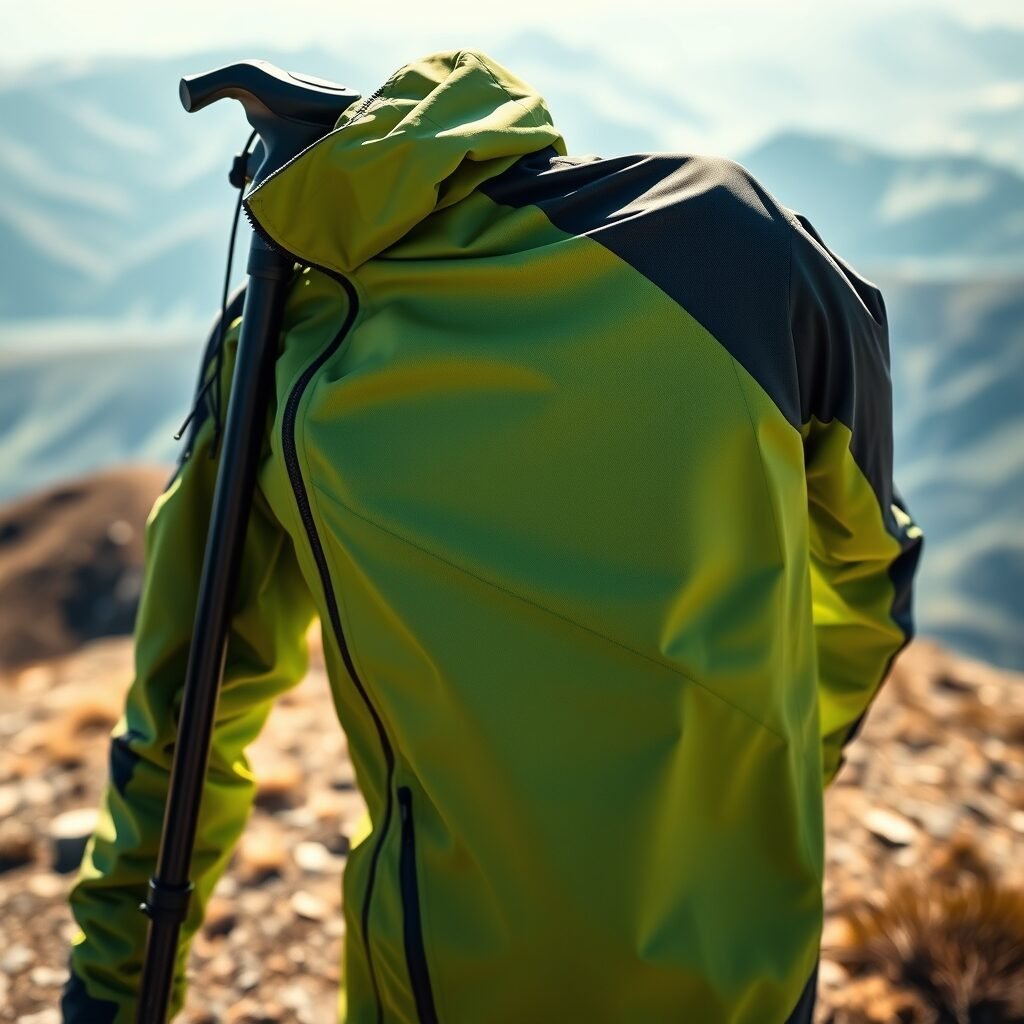
Understanding Hiking Gear Benefits
One of the biggest hiking gear benefits is weight reduction. Modern materials like Dyneema and carbon fiber let you carry a lighter load without sacrificing durability. Lighter packs mean lower fatigue, which translates to longer days on the trail and more mileage per outing.
Another hiking gear benefits is modularity. Many backpacks feature removable day‑packs, external hydration sleeves, and customizable attachment points. This flexibility lets you adapt your loadout for a quick summit push or a leisurely valley stroll.
Performance Enhancements
Technical fabrics that wick moisture and resist wind give you a comfortable core temperature, a clear hiking gear benefits for anyone tackling high‑altitude routes. Likewise, ergonomic pole designs reduce strain on your wrists, letting you maintain rhythm on steep ascents.
Drawbacks to Watch
Even the best gear carries trade‑offs. The most common hiking gear benefits can be offset by higher price tags. A high‑tech insulated jacket may cost several hundred dollars, making it a steep investment for occasional hikers.
Another drawback is complexity. Feature‑heavy boots with multiple lacing zones can be difficult to tighten correctly, especially with cold gloves on. Over‑engineered packs sometimes have too many compartments, leading to confusion when you need to find a quick item.
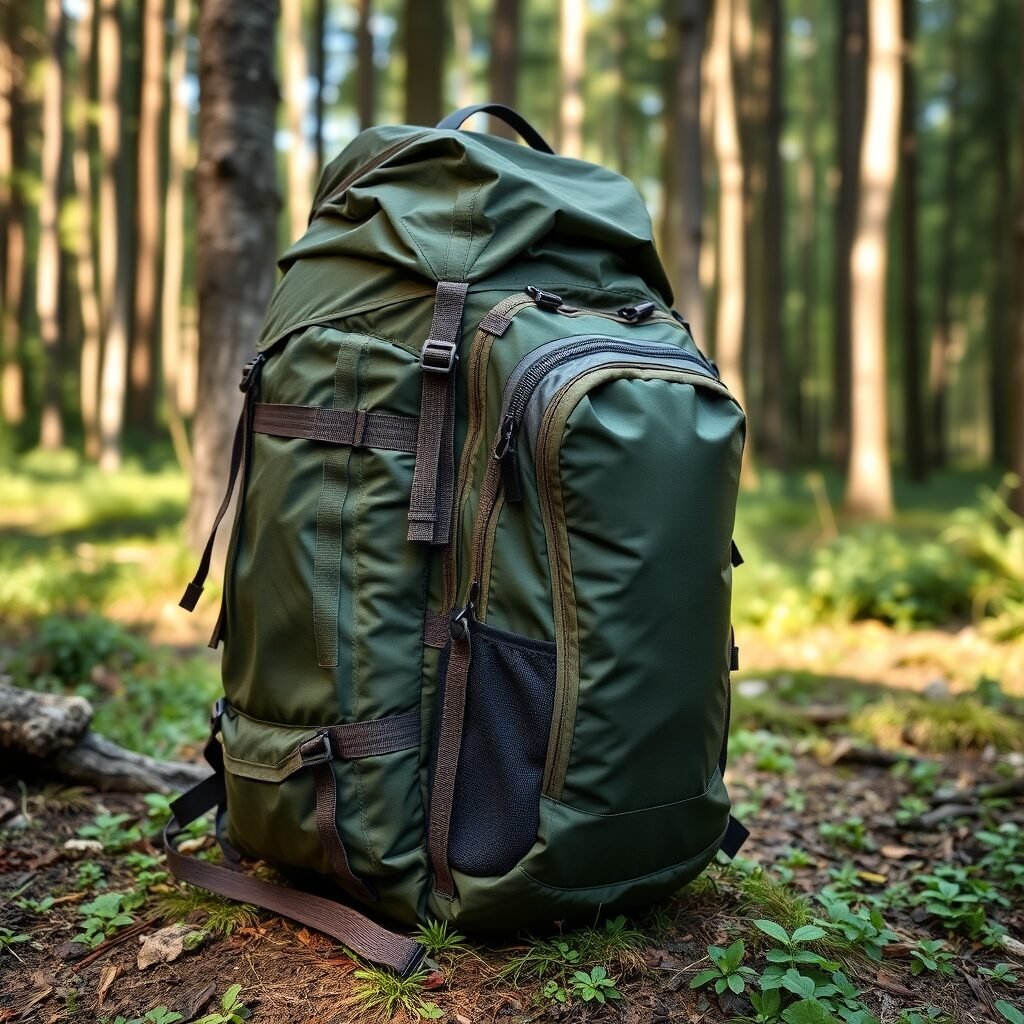
Balancing Benefits and Drawbacks
The key to smart packing is matching hiking gear benefits to your actual needs. If you’re planning a day hike on well‑marked trails, you might skip the ultralight carbon‑fiber poles and stick with a reliable aluminum set that’s cheaper and easier to repair.
Conversely, for multi‑day backpacking trips, the weight savings from advanced fabrics become a clear hiking gear benefits. In that scenario, spending a bit more upfront pays off in reduced strain on your joints and faster overall pace.
Practical Tips for Choosing What Works
- Make a list of must‑have items based on trail length, weather, and elevation.
- Test gear in a local park before committing to a long expedition.
- Prioritize items that offer the most hiking gear benefits for your budget.
Invest in Core Pieces First
Start with a solid pair of hiking boots and a versatile hiking backpack. These two pieces deliver the biggest hiking gear benefits across any terrain, and you can layer on accessories later.
Layer Smartly
A waterproof jacket offers one of the most immediate hiking gear benefits—protection from sudden storms. Pair it with a moisture‑wicking base layer to manage sweat, and you’ll stay dry from the inside out.
When to Upgrade—and When to Hold Back
If you notice persistent foot soreness after each hike, that’s a clear sign that the hiking gear benefits of a better boot outweigh the cost. On the other hand, if you’re still learning basic navigation, splurging on a high‑tech GPS watch may not add enough immediate hiking gear benefits to justify the expense.
Real‑World Examples
Emma, a weekend hiker from Colorado, swapped her old canvas pack for a lightweight synthetic model. She reported a 15% reduction in fatigue on a 12‑mile loop, a tangible hiking gear benefits that motivated her to take on longer routes.
Mark, an avid ultramarathoner, tried a carbon‑fiber trekking pole but found the break‑away tip too fragile for rocky terrain. In his case, the potential hiking gear benefits of reduced arm fatigue were eclipsed by durability concerns—a classic drawback.
Complementary Gear to Maximize Benefits
Adding a set of trekking poles can amplify the hiking gear benefits of balance and reduced joint impact. Pair them with a reliable hydration system, and you’ll stay hydrated without stopping for water bottles.
Expert Resources
For a deeper dive into seasonal essentials, check out women’s hiking gear essentials. If you’re building a survival kit, the essential hiking survival gear guide outlines items that provide critical hiking gear benefits in emergency scenarios.
FAQ
What is the single most important hiking gear benefit for beginners? A well‑fitted pair of boots offers immediate comfort, injury prevention, and confidence on the trail.
Do high‑tech fabrics really make a difference? Yes—advanced materials improve moisture management and reduce weight, which translates to less fatigue on long hikes.
Should I buy the newest gear every season? Not necessarily. Focus on items that provide clear hiking gear benefits for your specific trips; newer isn’t always better.
Conclusion: Pack With Purpose
Understanding the full scope of hiking gear benefits and their accompanying drawbacks empowers you to make choices that match your adventure level and budget. Start with core pieces, test them on shorter outings, and upgrade selectively. By weighing the pros and cons, you’ll spend less time worrying about gear and more time enjoying the trail.
Ready to refresh your pack? Explore the latest hiking backpacks, hiking boots, and other essentials today.