As an Amazon Associate I earn from qualifying purchases.
how to get started with hiking gear begins the moment you imagine the trail under your boots and the sunrise over a ridge. If you’ve stared at rows of equipment and felt overwhelmed, you’re not alone. This guide walks you through the exact pieces you need, why they matter, and how to buy them without breaking the bank.
Assess Your Needs Before You Buy
Every hike is different, so start by answering three simple questions:
- What distance and elevation will you cover?
- What season and weather conditions are likely?
- Will you be carrying a daypack or a larger backpack?
Short, flat loops call for lighter shoes and a minimal daypack, while multi‑day treks in variable weather require layers, a sturdy backpack, and waterproof footwear. Knowing the answer to these questions narrows the product list dramatically, making the process of how to get started with hiking gear feel less like a gamble and more like a plan.
How to Get Started with Hiking Gear: The Essentials
Below is a core kit that covers 80 % of beginner scenarios. Each item can be upgraded later, but you won’t need anything beyond these categories to feel prepared.
1. Footwear – Hiking Boots or Trail Shoes
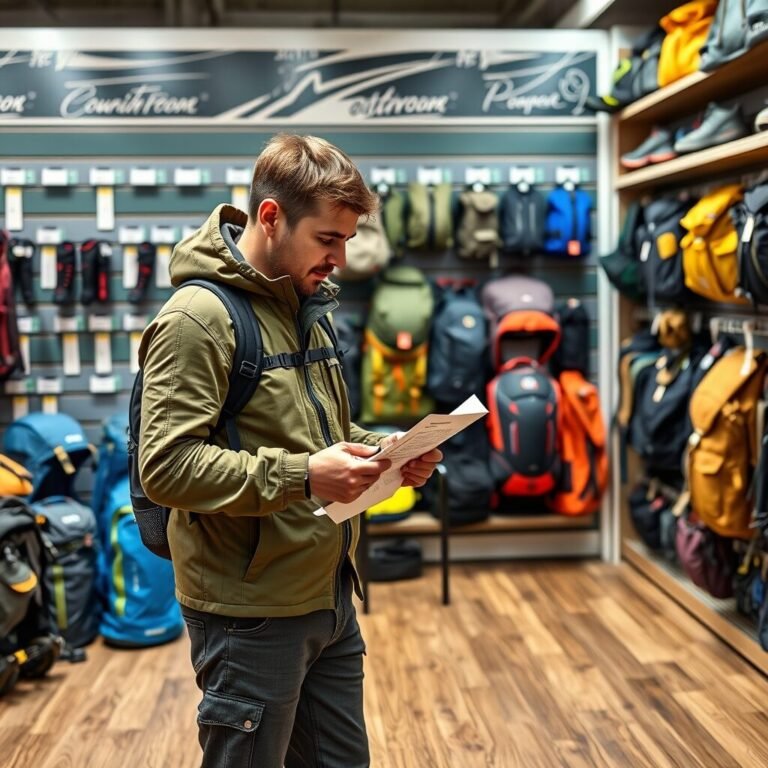
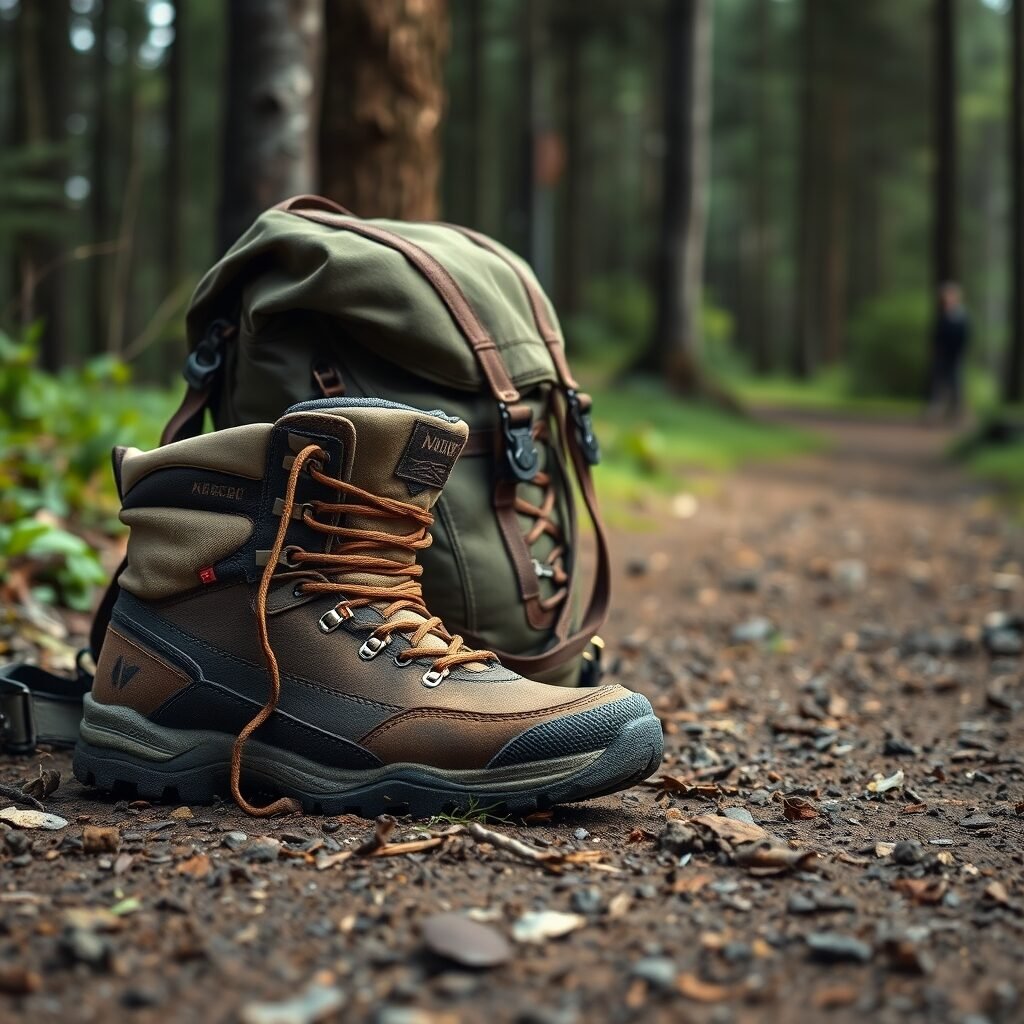
Fit is king. Visit a reputable outdoor store, wear the socks you intend to hike in, and walk on a gravel surface. Look for boots with ankle support, a waterproof membrane, and a lugged outsole. For lighter terrain, breathable trail shoes work just as well.
2. Pack – Daypack or Small Backpack
A 20‑30 L daypack offers enough room for water, snacks, a rain jacket, and a basic first‑aid kit. Choose one with a padded back, adjustable hip belt, and at least two external pockets for quick access.
3. Clothing – Layered System
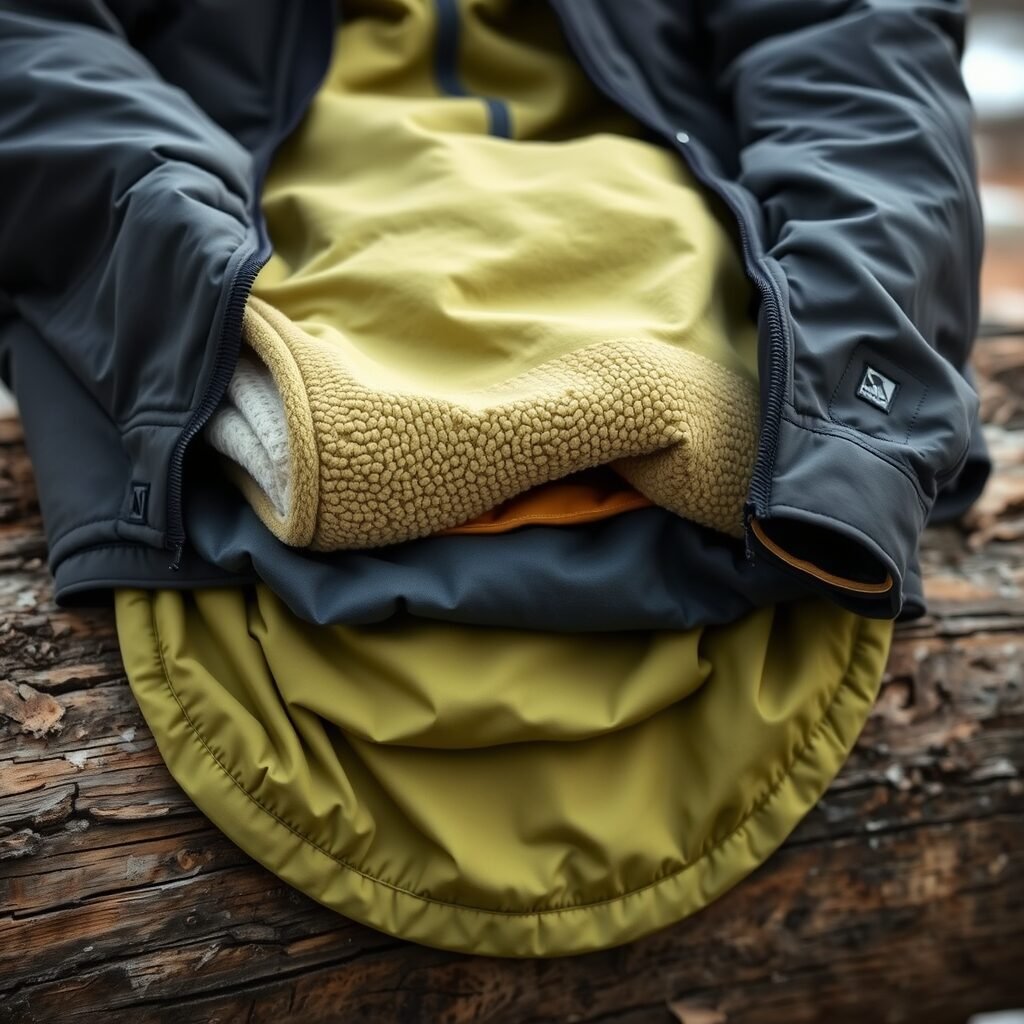
Follow the “base‑mid‑outer” rule: a moisture‑wicking base layer, an insulating mid‑layer (fleece or lightweight down), and a waterproof breathable shell. Avoid cotton; it stays damp and chills you.
4. Hydration – Water Bottle or Reservoir
Carry at least 2 L of water for a half‑day hike. Insulated bottles keep drinks cool, while a 2‑L bladder fits snugly into most packs and frees up pockets.
5. Navigation – Map, Compass, or GPS App
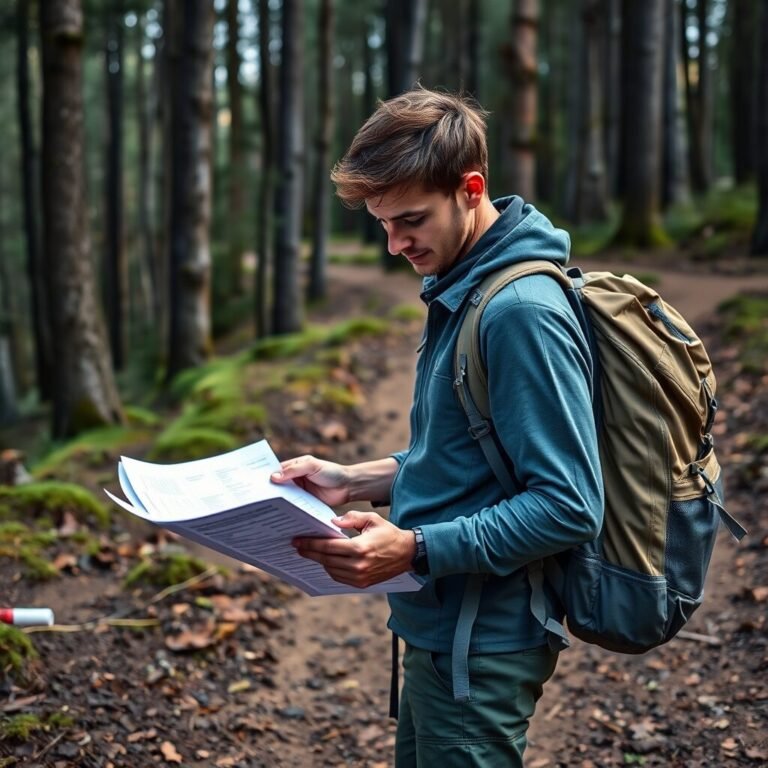
Even on well‑marked trails, a paper topographic map and a compass are reliable backups. Smartphone apps work too, but download maps for offline use.
6. Safety – First‑Aid Kit & Emergency Essentials
A compact kit with bandages, antiseptic wipes, blister treatment, and a whistle covers most minor mishaps. Pair it with a lightweight emergency blanket for added security.
These six categories form the backbone of how to get started with hiking gear. Once you have them, you can fine‑tune your setup based on the specific trail you plan to tackle.
Step‑by‑Step Gear Checklist
Use the checklist below as a printable reference before you head to the store or click “Add to Cart.”
- Hiking boots (proper fit, waterproof) – Buy hiking boots
- Daypack (20‑30 L, padded) – Buy daypack
- Moisture‑wicking shirt and leggings – Buy moisture‑wicking clothing
- Fleece or lightweight down jacket – Buy hiking jacket
- Waterproof shell – Buy waterproof shell
- 2 L water bottle or bladder – Buy water bottle
- Topographic map of the area – Buy topographic map
- Compact first‑aid kit – Buy first‑aid kit
Test and Tweak Your Setup
Before committing to a long trek, try a “gear trial” on a local park trail. Pack your daypack, wear your boots, and walk for 30‑45 minutes. Pay attention to:
- Boot comfort after a mile – any hot spots?
- Pack balance – does the weight sit low and centered?
- Layer performance – does the shell breathe when you sweat?
Adjust as needed: add an insole, swap a strap, or replace a layer that feels too heavy. This iterative approach is the secret to mastering how to get started with hiking gear without costly trial and error.
Where to Shop Smart
Big‑box retailers offer competitive pricing, but specialty outdoor stores provide knowledgeable staff who can assess fit and durability. For online shoppers, look for retailers with free returns and detailed size charts.
Need inspiration for specific product types? Check out our Hiking Survival Gear 2026: What to Carry guide for safety items, and the Women’s Hiking Gear 2026 article for gender‑specific fit tips.
FAQ
What is the most important piece of gear for a beginner?
A well‑fitting pair of hiking boots protects your feet and sets the foundation for a comfortable hike.
Do I need trekking poles right away?
Poles are optional for short day hikes but add stability and reduce fatigue on longer terrain.
How often should I replace my hiking gear?
Replace worn shoes, damaged backpacks, and any gear that no longer meets safety standards, typically every 2‑3 years.
Now that you know how to get started with hiking gear, grab your checklist, head to a store, and make your first hike a success. The trail is waiting—let your new gear take you there.