
Last updated:
As an Amazon Associate we earn from qualifying purchases. Amazon links on this page are affiliate links.
Embarking on a hiking adventure requires more than just a sense of direction; it demands reliable **hiking gear for men** that can withstand diverse terrains and weather conditions. Selecting the right equipment is crucial for both safety and enjoyment, transforming a challenging trek into a memorable outdoor experience. This comprehensive guide will help you navigate the vast array of options to equip yourself with the best essentials for the trail.
The Foundation: Footwear for the Trail
Your feet are your most important asset on any hike, making proper footwear a critical first step in assembling your gear. The right choice provides comfort, support, and protection against the elements.
Hiking Boots vs. Trail Runners
The debate between hiking boots and trail runners often comes down to personal preference, trail type, and desired support.
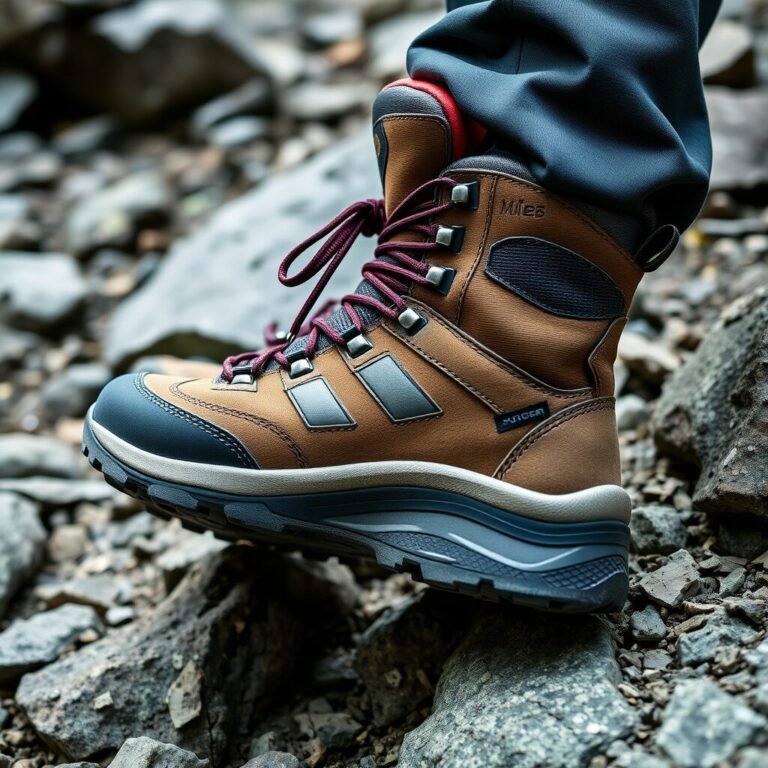
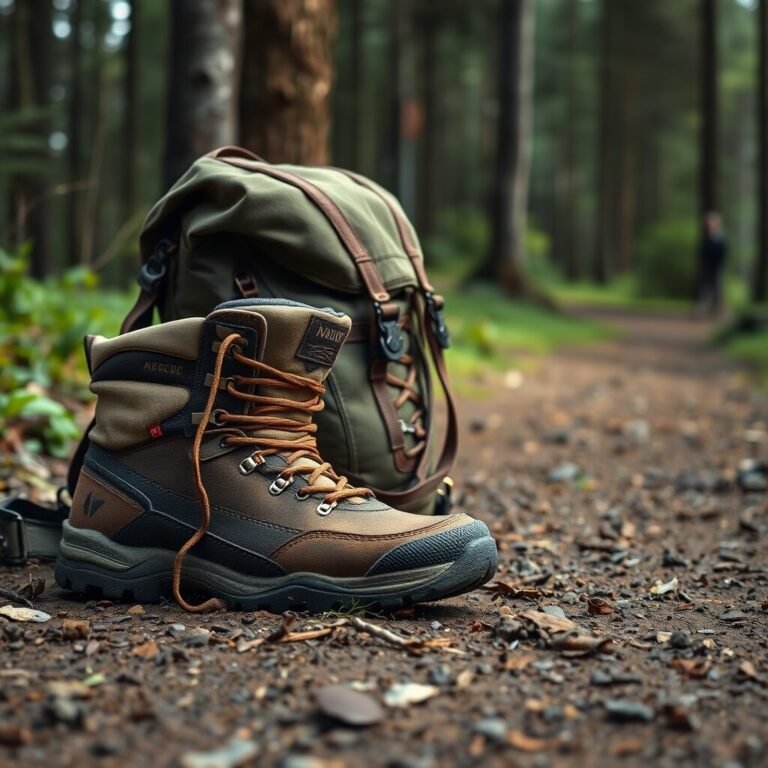
* Hiking Boots: Traditionally, hiking boots offer superior ankle support, robust construction, and enhanced durability for rugged, uneven terrain or carrying heavy loads. They are often waterproof and provide excellent protection against rocks and debris. However, they can be heavier and less breathable.
* Trail Runners: Increasingly popular, trail running shoes are lighter, more flexible, and offer better breathability. They are ideal for faster-paced hikes, well-maintained trails, or when you prioritize agility. While they typically offer less ankle support than boots, many modern designs provide ample cushioning and traction. For a deeper dive into this choice, you might find our article comparing Hiking Shoes vs Trail Runners: 3 Smart Beginner Picks particularly insightful. If you’re specifically looking for options that can handle wet conditions, explore our recommendations for Best Waterproof Trail Runners for Hiking: 12 Picks for 2026.
When choosing, consider the specific trails you’ll tackle. For multi-day trips with a heavy pack or very technical terrain, boots might be preferable. For day hikes or lighter backpacking, trail runners could be your best bet. Ensure a proper fit, allowing for some toe wiggle room to prevent discomfort on descents, and break them in before a long hike.
Socks: The Unsung Heroes
Often overlooked, high-quality hiking socks are just as important as your footwear. They prevent blisters, wick away moisture, and provide cushioning.
* Material: Opt for synthetic blends (nylon, polyester) or merino wool. Both materials excel at moisture-wicking and temperature regulation. Avoid cotton, which absorbs sweat and stays wet, leading to blisters and discomfort.
* Cushioning: Socks come in various thicknesses. Light cushioning is suitable for warm weather and lighter hikes, while medium to heavy cushioning offers more padding and warmth for colder conditions or longer treks.
* Fit: Ensure your socks fit snugly without being too tight or bunching up. A good fit prevents friction and keeps your feet comfortable.
Layering for Success: Apparel Essentials
The key to comfortable hiking in varying conditions is the layering system. This allows you to add or remove clothing to adapt to temperature changes, precipitation, and exertion levels.
Base Layers: Moisture Management
Your base layer is the first line of defense against moisture. Its primary function is to wick sweat away from your skin, keeping you dry and preventing chafing or chilling.
* Material: Merino wool and synthetic fabrics (polyester, polypropylene) are excellent choices. Merino wool is naturally odor-resistant and insulates even when damp, while synthetics are generally more durable and faster-drying.
* Weight: Base layers come in different weights – lightweight for warm weather or high-exertion activities, mid-weight for cooler conditions, and heavy-weight for cold environments.
Mid-Layers: Insulation and Warmth
The mid-layer provides insulation, trapping warm air close to your body. You’ll add or remove this layer based on the ambient temperature and your activity level.
* Material: Fleece (synthetic) and down (natural) are common mid-layer materials. Fleece is versatile, relatively inexpensive, and retains some insulating properties when wet. Down offers superior warmth-to-weight ratio but loses its insulating power when damp. Synthetic insulation is a good alternative, performing better in wet conditions than down.
* Design: Look for options with zippers for ventilation and a comfortable fit that allows for freedom of movement.
Outer Shells: Protection from the Elements
The outer shell is your shield against wind, rain, and snow. It should be both waterproof and breathable to prevent moisture from penetrating while allowing sweat vapor to escape.
* Types:
* Rain Jackets: Lightweight and packable, designed primarily for rain protection. Look for features like sealed seams, adjustable hoods, and pit zips for ventilation.
* Hardshell Jackets: More durable and rigid, offering maximum protection for severe weather and technical climbing.
* Softshell Jackets: Offer good wind resistance and some water repellency, with greater breathability and flexibility than hardshells, ideal for active pursuits in mild conditions.
* Breathability: Membranes like Gore-Tex or proprietary waterproof-breathable fabrics are crucial. High breathability prevents you from feeling clammy inside your jacket.
Carrying Your Load: Backpacks and Hydration
Your backpack is your mobile storage unit, and choosing the right one is essential for comfort and efficient gear transport. Hydration is equally vital for maintaining performance and health on the trail.
Choosing the Right Backpack
The ideal backpack balances capacity, fit, and features to suit your specific hiking needs.
* Capacity:
* Daypack (15-30 liters): Perfect for short day hikes, carrying water, snacks, an extra layer, and a first-aid kit.
* Overnight/Weekend Pack (30-50 liters): Suitable for 1-3 day trips, accommodating a sleeping bag, tent, food, and clothing.
* Multi-day/Expedition Pack (50+ liters): Designed for longer treks or winter expeditions where more gear and supplies are necessary.
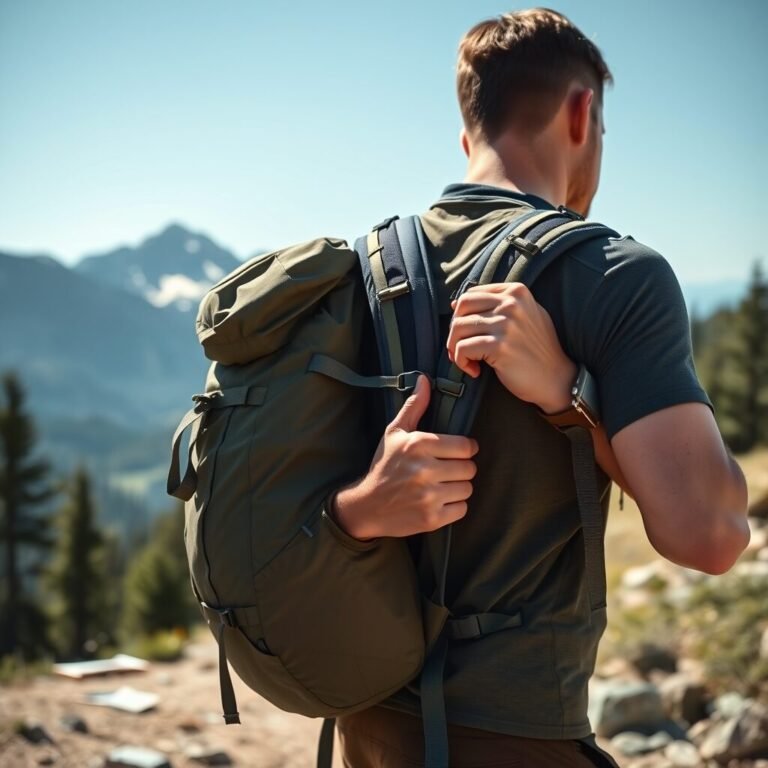
* Fit: This is paramount. A well-fitting pack distributes weight evenly across your hips and shoulders, preventing strain. Look for adjustable torso length, padded hip belts, and shoulder straps. Many outdoor stores offer fitting services.
* Features: Consider features like multiple compartments for organization, external attachment points for trekking poles or ice axes, hydration reservoir compatibility, and rain covers.
Hydration Systems
Staying hydrated is non-negotiable on the trail. You have several options for carrying water.
* Water Bottles: Durable and simple. Nalgene bottles are a popular choice. Easy to fill and monitor water intake.
* Hydration Reservoirs: Also known as hydration bladders, these fit inside your backpack and feature a drinking tube that allows hands-free access to water. They offer convenience but can be harder to clean and refill than bottles.
* Water Filters/Purifiers: For longer trips where carrying all your water isn’t feasible, a portable water filter or purifier is essential for treating natural water sources. Options include pump filters, squeeze filters, and UV purifiers.
Navigating and Safety: Essential Tools
Even on familiar trails, conditions can change rapidly. Carrying appropriate navigation and safety gear is a mark of a prepared hiker.
Navigation Aids
Knowing where you are and where you’re going is fundamental to safe hiking.
* Map and Compass: These are the traditional and most reliable navigation tools. Always carry a physical map of the area and know how to use a compass, even if you rely on electronics. They don’t run out of battery.
* GPS Device/Smartphone App: Modern GPS units or smartphone apps (with downloaded offline maps) offer precise location tracking and route planning. Always ensure your electronic devices are fully charged and consider carrying a portable power bank.
* Route Planning: Before you even leave home, thoroughly research your route, understand the terrain, and note potential hazards or bailout points.
First-Aid and Emergency Gear
A well-stocked first-aid kit is non-negotiable. You should also carry items that can help in an unexpected emergency.
* First-Aid Kit: Include bandages, antiseptic wipes, pain relievers, blister treatment, gauze, medical tape, and any personal medications. Customize it based on the length and remoteness of your hike.
* Emergency Shelter: A lightweight emergency blanket or bivy sack can provide crucial warmth and protection in an unexpected overnight stay.
* Whistle: For signaling help, especially if you’re injured or separated from your group.
* Multi-tool or Knife: Useful for repairs, cutting bandages, or other unforeseen tasks.
* Fire Starter: Waterproof matches, a lighter, or a ferro rod can be vital for warmth and signaling.
Illumination
Even if you plan to be back before dark, a reliable light source is essential.
* Headlamp: Superior to a flashlight as it keeps your hands free. Look for models with adjustable brightness, a red light mode (to preserve night vision), and a long battery life. Always carry spare batteries.
Comfort and Practicality: Accessories for the Modern Hiker
Beyond the core essentials, certain accessories can significantly enhance your comfort, efficiency, and overall hiking experience.
Trekking Poles
Trekking poles offer numerous benefits, especially on longer hikes or challenging terrain.
* Stability: They provide extra points of contact with the ground, improving balance and reducing the risk of falls, particularly on uneven or slippery surfaces.
* Joint Relief: By distributing weight, poles reduce stress on your knees and ankles, especially during descents.
* Uphill Aid: They can help propel you uphill, engaging your upper body and conserving leg energy.
* Material: Look for lightweight yet durable materials like aluminum or carbon fiber, with comfortable grips and adjustable lengths.
Headwear and Sun Protection
Protecting yourself from the sun and elements is critical for health and comfort.
* Hat/Cap: A wide-brimmed hat or a baseball cap protects your face and neck from the sun. In colder weather, a warm beanie or balaclava is essential for heat retention.
* Sunglasses: Protect your eyes from harmful UV rays, especially at higher altitudes or on reflective surfaces like snow or water.
* Sunscreen: Apply liberally to exposed skin, even on cloudy days.
* Insect Repellent: Depending on the season and location, this can be a crucial item for comfort and preventing insect-borne diseases.
Camp Kitchen (for longer trips)
If your hike extends beyond a single day, a portable cooking setup becomes a necessity.
* Stove and Fuel: Lightweight backpacking stoves are available in various types (canister, liquid fuel, wood-burning). Choose one that balances efficiency, weight, and fuel availability.
* Cookware: A single pot or a small cook set, a spork, and a mug are usually sufficient.
* Food: Pack lightweight, calorie-dense foods that are easy to prepare. Dehydrated meals are popular choices.
Key Considerations When Buying Hiking Gear
Making informed decisions about your gear involves more than just picking the first item you see. Keep these factors in mind:
- Durability: Hiking gear needs to withstand rough treatment and varying conditions. Look for robust materials and quality construction that will last for many adventures.
- Weight: Every ounce counts, especially on longer treks. Lighter gear reduces fatigue and allows you to cover more ground comfortably. However, don’t sacrifice essential features or durability for extreme lightness.
- Fit: This is crucial for comfort and performance, particularly for footwear, backpacks, and clothing. Always try items on and ensure they fit well and allow for a full range of motion.
- Versatility: Can a piece of gear serve multiple purposes? Can it be used in different seasons or for various types of hikes? Versatile gear can save space and money.
- Budget: Quality hiking gear is an investment. While it’s tempting to go for the cheapest option, investing in reliable gear often pays off in the long run through better performance, comfort, and longevity. However, there are excellent mid-range options that offer great value.
- Season/Climate: Tailor your gear to the specific conditions you expect to encounter. What works for a summer day hike in a desert will be vastly different from a winter trek in the mountains.
For general advice on choosing quality items, you might also want to consult our Top Reviewed Hiking Gear: 9 Reliable Must-Have Picks for insights into what makes gear truly dependable.
Frequently Asked Questions
What’s the most crucial piece of hiking gear for men?
While all gear is important, your footwear (boots or trail runners and appropriate socks) is arguably the most crucial. Uncomfortable or ill-fitting footwear can quickly end a hike or cause significant pain and injury. Second to that, a properly fitting backpack is essential for comfortably carrying your other essentials.
How do I choose the right backpack size?
Backpack size depends primarily on the duration of your trip and the amount of gear you need to carry. Daypacks (15-30L) are for single-day excursions, overnight/weekend packs (30-50L) for 1-3 nights, and multi-day/expedition packs (50L+) for longer trips. Beyond liters, ensure the pack’s torso length matches yours and that the hip belt sits comfortably on your hip bones, as this is where most of the weight should be supported.
Is it worth investing in expensive hiking gear?
Generally, yes. While you don’t need the absolute top-of-the-line for every item, investing in quality gear for critical items like footwear, a durable backpack, and a reliable waterproof-breathable outer shell often provides better performance, comfort, durability, and safety. This can prevent issues on the trail and save you money in the long run by not needing frequent replacements.
What should I do if my gear gets wet?
If your gear gets wet on the trail, try to dry it as much as possible to prevent hypothermia and mildew. Wring out clothing, hang items in the sun or a breezy spot during breaks, and use a towel if available. Once home, thoroughly air dry all gear, including the inside of your backpack and tent, before storing it to prevent mold and unpleasant odors.
Conclusion
Outfitting yourself with the right hiking gear for men is an investment in your safety, comfort, and overall enjoyment of the outdoors. By prioritizing quality footwear, a versatile layering system, a well-fitting backpack, and essential safety tools, you’ll be well-prepared to tackle any trail with confidence. Remember to research, try on gear, and choose items that align with the specific demands of your planned adventures. Happy trails!
Read also: How to Get Started with Hiking Gear: A Step‑by‑Step Guide